Understanding the Impact of Big Data on Future Factory Operations


Introduction to Big Data in Manufacturing
In recent years, big data has become a game-changer across various industries, including manufacturing. The vast amount of information generated by factory operations can now be collected, analyzed, and utilized to enhance efficiency and productivity. Understanding the impact of big data on future factory operations is crucial for businesses aiming to stay competitive.
Big data in manufacturing involves the use of advanced analytics to process large datasets from numerous sources such as sensors, machines, and supply chain systems. This data-driven approach enables factories to optimize processes, reduce waste, and improve product quality.

The Role of Predictive Analytics
Predictive analytics plays a pivotal role in transforming factory operations. By leveraging historical and real-time data, manufacturers can anticipate equipment failures, schedule maintenance, and reduce downtime. This proactive approach not only minimizes disruptions but also extends the lifespan of machinery.
Moreover, predictive analytics allows for better demand forecasting. Factories can adjust production schedules to align with market trends, ensuring that supply meets demand without overproduction.
Enhancing Productivity and Efficiency
Big data analytics enhances productivity by streamlining operations. Factories can analyze workflow patterns to identify bottlenecks and implement solutions to expedite processes. This results in faster production cycles and increased throughput.
Additionally, data-driven insights enable manufacturers to optimize resource allocation. By monitoring energy consumption, raw material usage, and labor efficiency, factories can implement strategies to reduce costs and increase sustainability.
Improving Quality Control
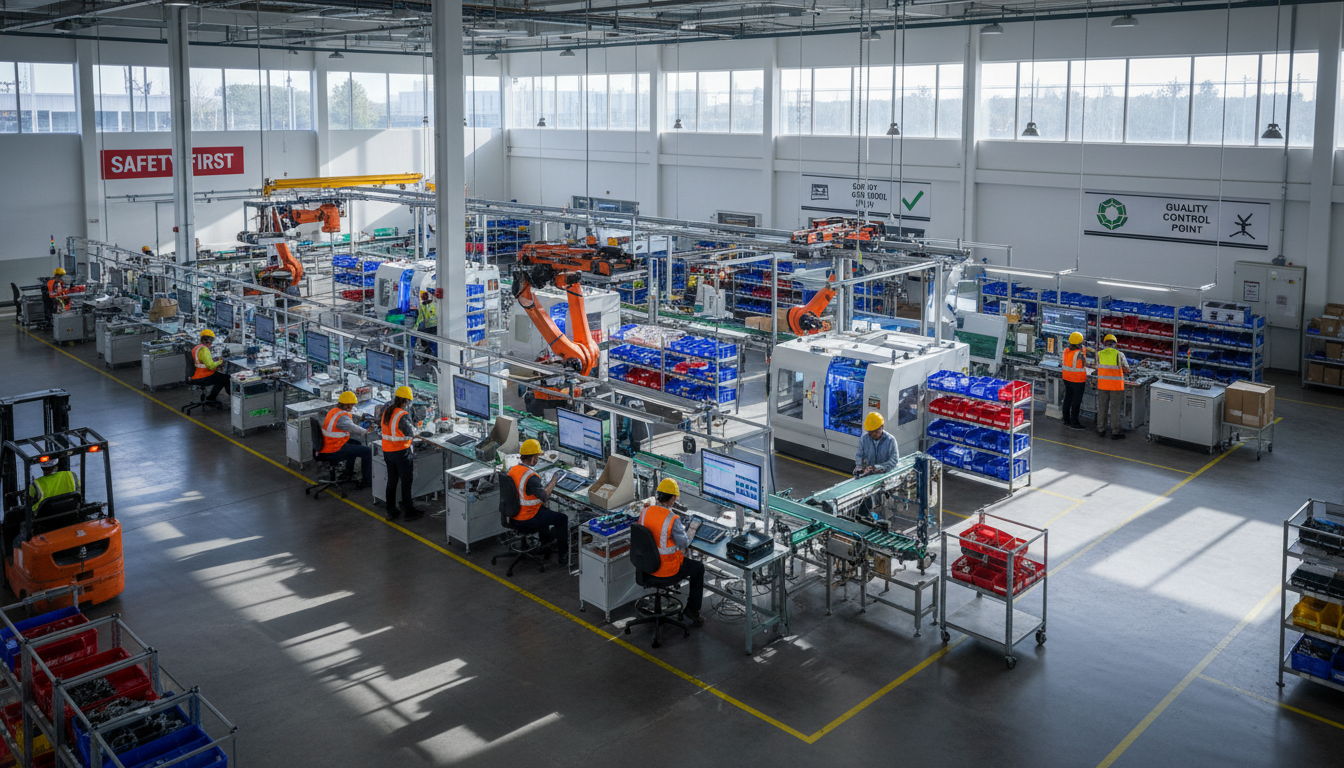
Quality control is another area where big data makes a significant impact. By continuously monitoring production data, factories can detect anomalies and defects in real time. This allows for immediate corrective actions, reducing the likelihood of defective products reaching consumers.
Furthermore, big data facilitates the implementation of advanced quality management systems. These systems use machine learning algorithms to predict potential quality issues and suggest improvements, ensuring high standards are consistently met.
Data-Driven Decision Making
One of the most profound impacts of big data is the shift towards data-driven decision-making. Factory managers can rely on comprehensive data insights to make informed decisions about production strategies, resource allocation, and market expansion.

This approach reduces reliance on intuition and guesswork, leading to more accurate and effective strategies. Consequently, factories can adapt more swiftly to changes in market conditions and technological advancements.
Challenges and Considerations
Despite its benefits, integrating big data into factory operations comes with challenges. Data privacy and security are paramount concerns, as factories must protect sensitive information from breaches. Additionally, the implementation of big data solutions requires significant investment in technology and skilled personnel.
To overcome these challenges, manufacturers need to adopt a strategic approach, investing in robust cybersecurity measures and training employees to handle advanced analytics tools effectively.
Conclusion
The impact of big data on future factory operations is transformative. By harnessing the power of data analytics, manufacturers can enhance efficiency, improve quality, and make informed decisions that drive growth. As technology continues to evolve, embracing big data will be essential for factories aiming to thrive in a rapidly changing industrial landscape.