Understanding the Benefits of Drone Inspections for Industrial Efficiency


Introduction to Drone Inspections
In recent years, drone technology has revolutionized various industries, and inspections are no exception. By leveraging drones, industries can enhance their operational efficiency, reduce costs, and improve safety measures. These flying devices provide a bird's-eye view, enabling detailed observations that were once difficult or expensive to achieve.
Industries such as construction, oil and gas, and agriculture have started integrating drone inspections into their routine operations. The benefits are substantial, ranging from time savings to enhanced data accuracy. Let's explore how drone inspections are making a significant impact on industrial efficiency.
Enhanced Safety and Reduced Risks
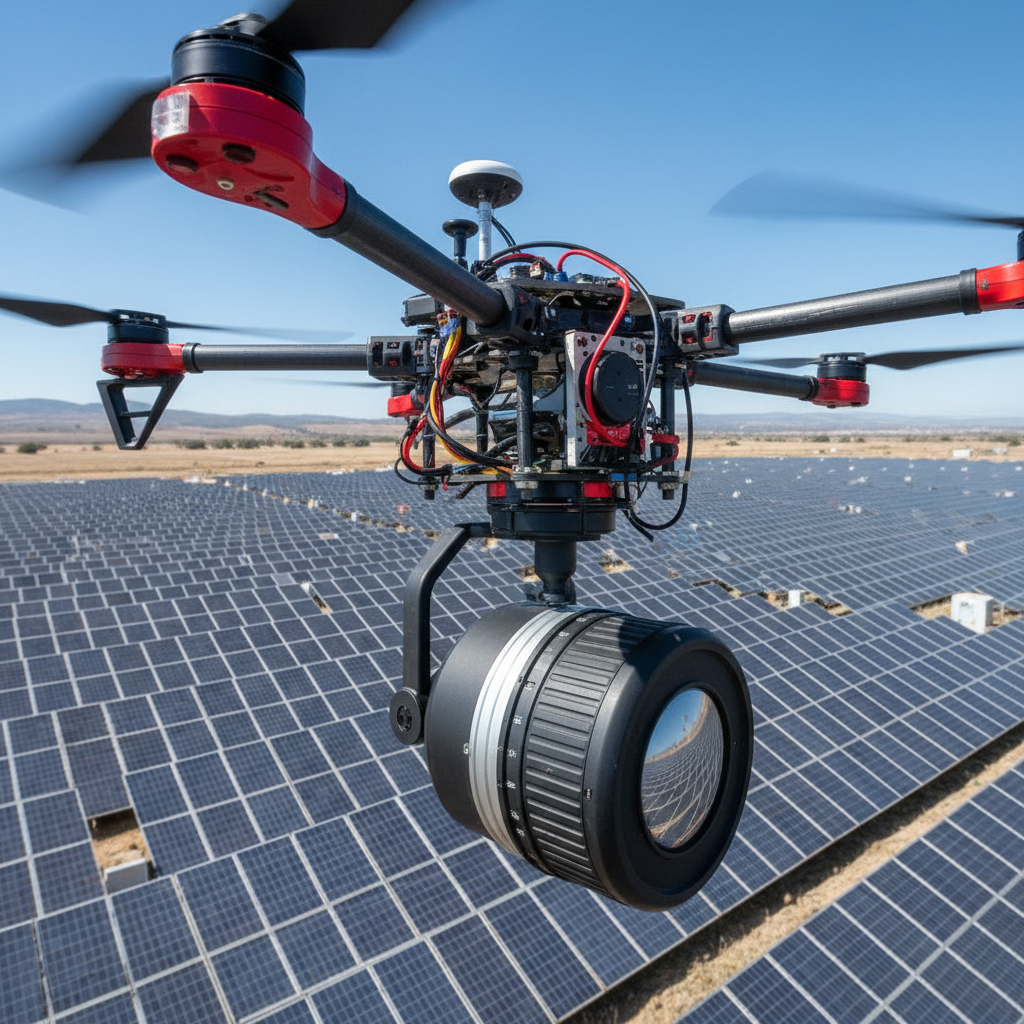
One of the most significant advantages of drone inspections is the improvement in safety. Traditionally, inspections required workers to climb tall structures or enter hazardous environments, posing significant risks. Drones eliminate these dangers by performing inspections remotely, keeping human workers out of harm's way.
Drones are equipped with high-resolution cameras and sensors, allowing them to capture detailed images and data from hard-to-reach areas. This capability significantly reduces the need for manual inspections, minimizing the risk of accidents and injuries.
Cost-Effectiveness
Drones offer a cost-effective solution for industrial inspections. By reducing the need for scaffolding, cranes, or helicopters, companies can save substantial amounts of money. Moreover, the efficiency of drones allows for faster inspections, which translates to reduced downtime and increased productivity.
Investing in drone technology may seem significant initially, but the long-term savings and operational benefits far outweigh the costs. Companies can allocate resources more efficiently, focusing on core business activities rather than spending on expensive inspection processes.
Improved Data Collection and Analysis
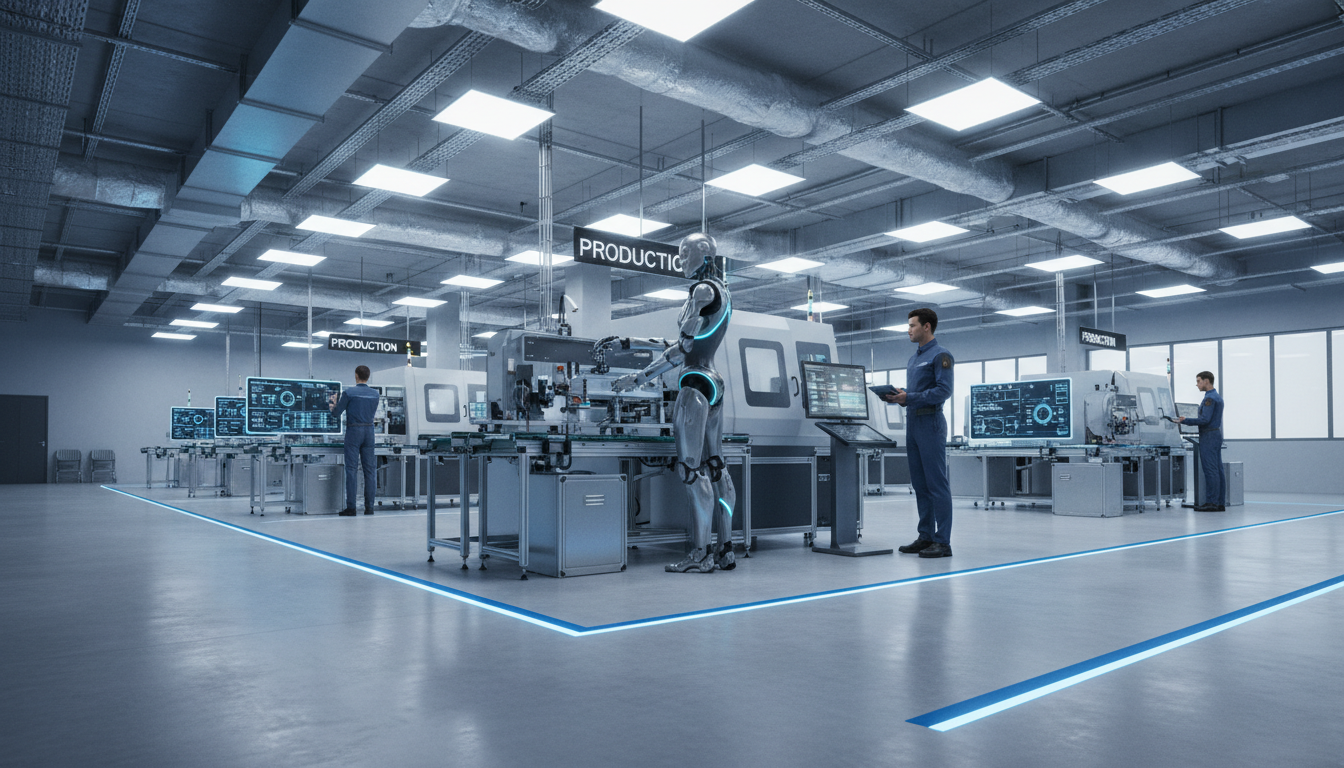
Drone inspections provide access to high-quality, real-time data that can be analyzed for better decision-making. The advanced sensors and cameras on drones capture detailed imagery, thermal data, and even 3D models, offering a comprehensive view of industrial assets.
This data can be processed using sophisticated software to identify potential issues, such as structural weaknesses or equipment malfunctions, before they become critical problems. As a result, companies can conduct predictive maintenance, thereby extending the lifespan of their assets and avoiding costly repairs.
Increased Efficiency and Productivity
By integrating drones into their inspection processes, industries can significantly enhance their operational efficiency. Drones can cover large areas quickly, reducing the time needed for inspections from days to mere hours. This rapid data collection allows for real-time analysis, ensuring that decisions can be made swiftly and effectively.
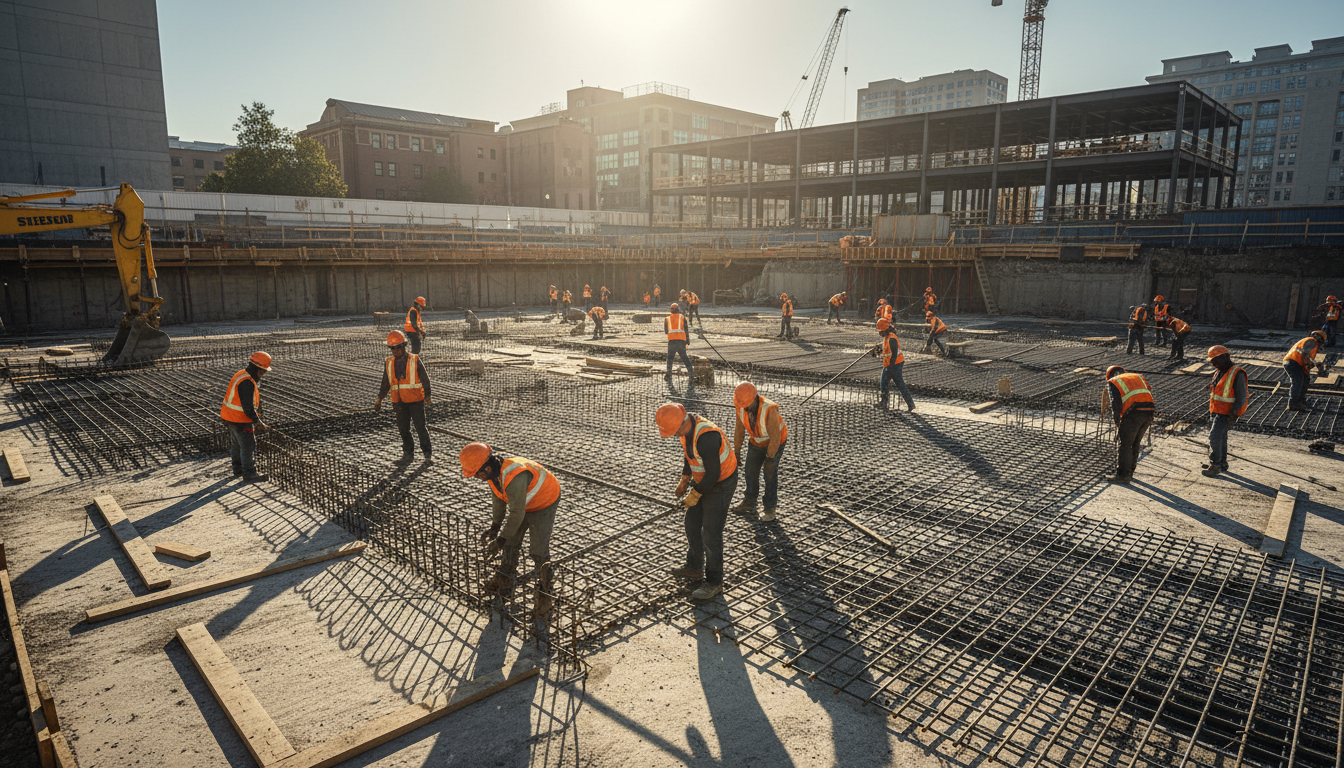
Furthermore, the ability to conduct regular inspections without disrupting operations means that industries can maintain productivity levels while ensuring the integrity of their assets. This increased efficiency contributes to overall business success and competitiveness in the market.
Conclusion
The integration of drone technology into industrial inspections is transforming the way businesses operate. With benefits such as enhanced safety, cost reductions, improved data analysis, and increased efficiency, drones are proving to be invaluable tools across various sectors.
As drone technology continues to evolve, we can expect even more innovative applications that will further enhance industrial efficiency. Embracing this technology now positions businesses for future success, enabling them to stay ahead in an ever-changing industrial landscape.