Understanding Digital Twins: The Key to Predictive Maintenance


What Are Digital Twins?
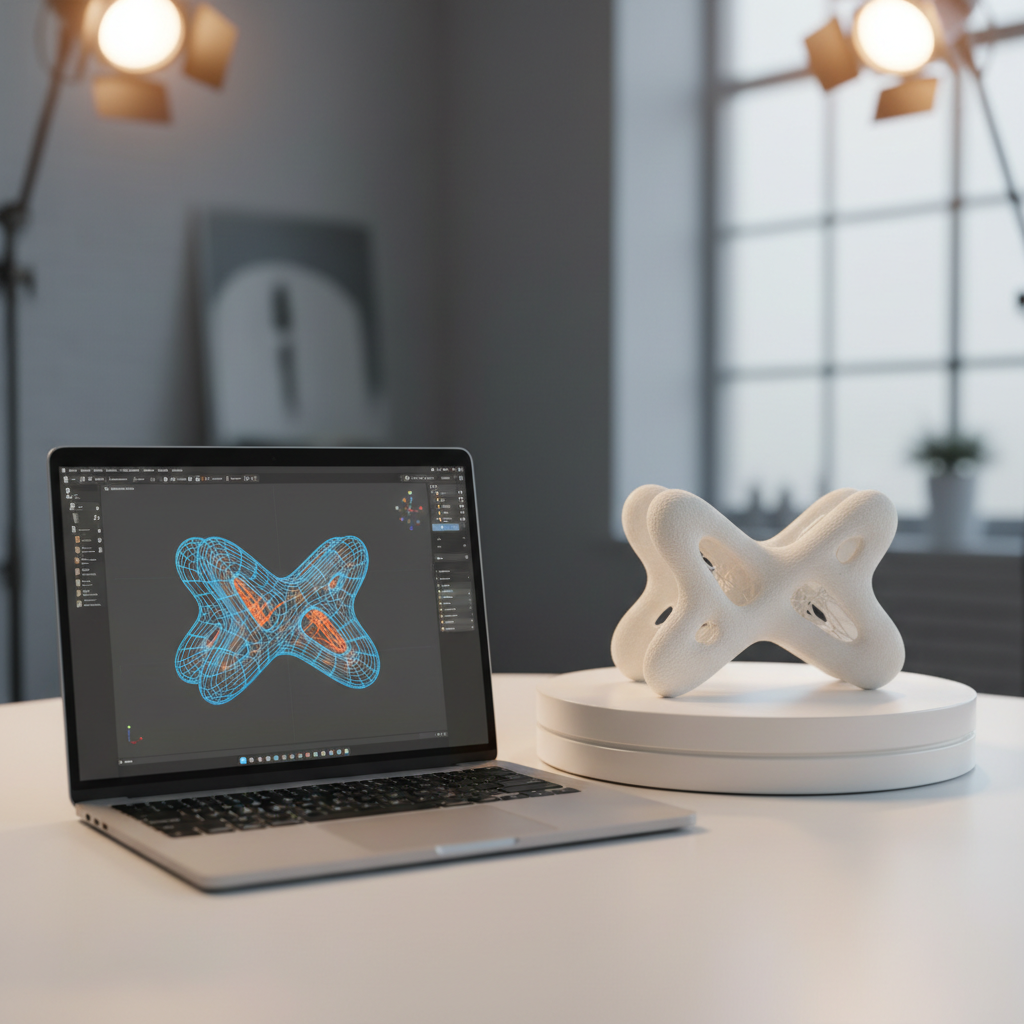
Digital twins are virtual replicas of physical assets, processes, or systems that enable businesses to analyze and simulate real-world conditions. By creating a digital counterpart, companies can gain insights into the performance and potential issues of their physical counterparts. This technology is transforming industries by providing a deeper understanding of complex systems, allowing for improved decision-making and efficiency.
The Role of Digital Twins in Predictive Maintenance
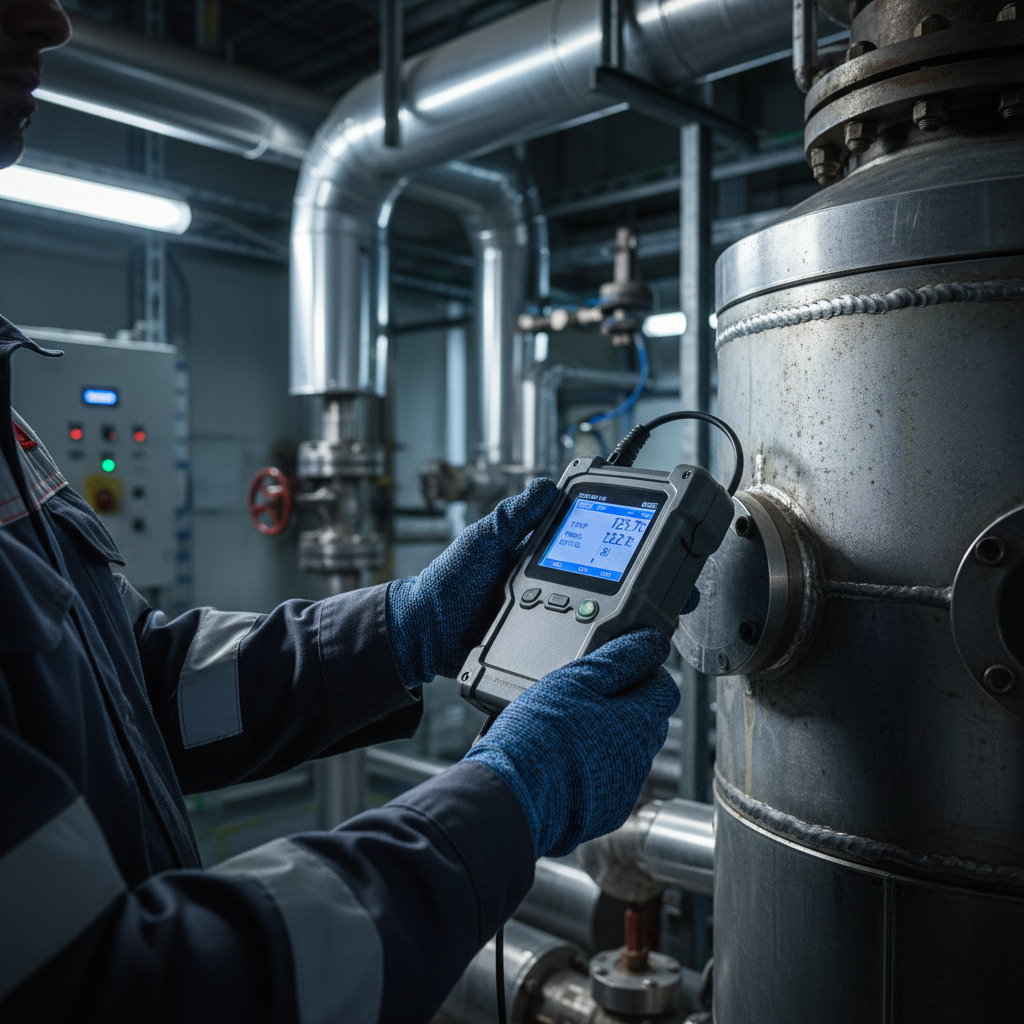
Predictive maintenance leverages digital twins to forecast equipment failures and schedule timely maintenance. By continuously monitoring the condition of machinery through sensors and data analytics, digital twins help in predicting when a machine might fail, thus preventing unexpected breakdowns and reducing downtime.
With the data collected, businesses can create models to predict future performance and maintenance needs. This proactive approach helps in extending the lifespan of equipment and optimizing operational efficiency, leading to cost savings and improved productivity.
Benefits of Implementing Digital Twins
The use of digital twins in predictive maintenance offers several benefits:
- Enhanced Efficiency: By predicting and preventing failures, digital twins reduce downtime and improve operational efficiency.
- Cost Savings: Minimizing unexpected maintenance and repairs leads to significant financial savings.
- Improved Safety: Predictive maintenance ensures machinery operates safely, reducing the risk of accidents.
How Digital Twins Work
Digital twins operate by integrating real-time data from sensors installed on physical assets. This data is then used to create a dynamic virtual model that evolves with the asset. Advanced analytics and machine learning algorithms process this data to predict potential issues and optimize performance.
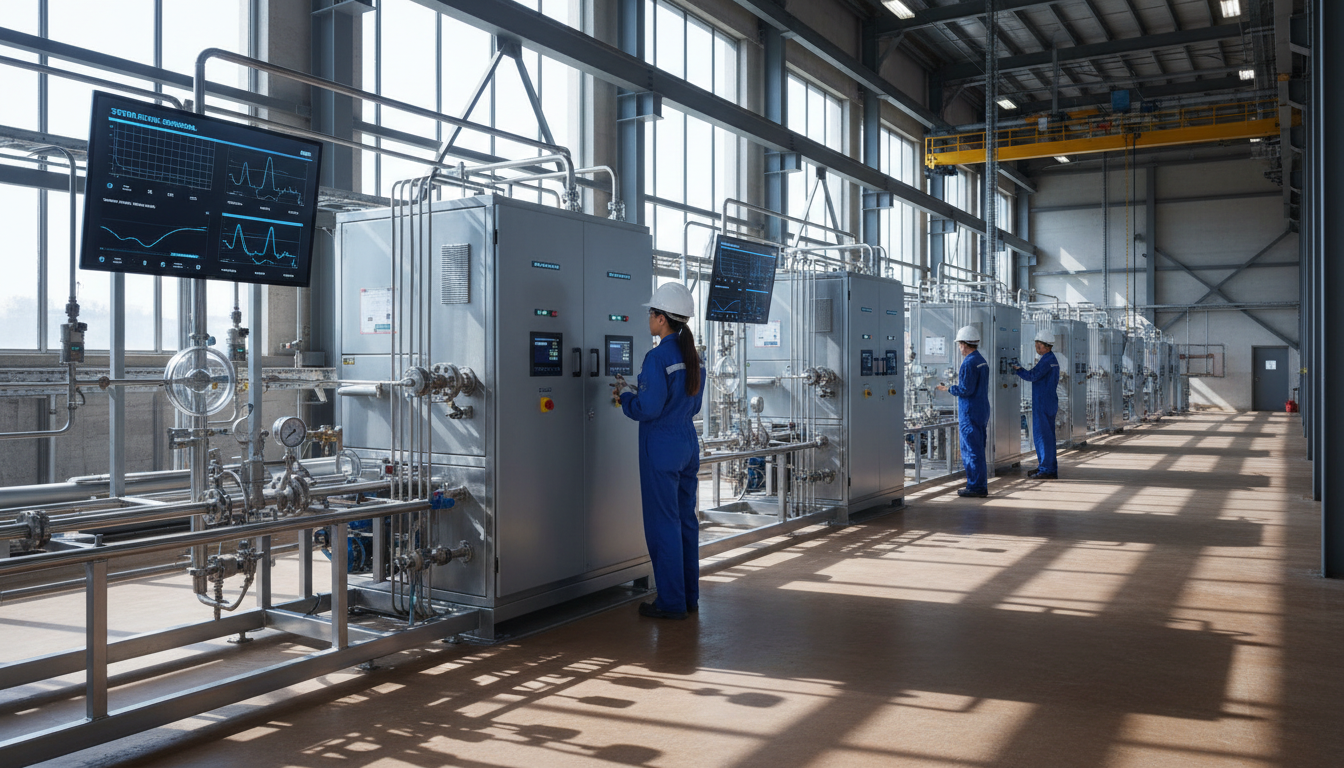
For instance, in a manufacturing setting, digital twins can simulate production lines, identify bottlenecks, and suggest improvements. This capability allows for continuous learning and adaptation, ensuring the system remains efficient and effective.
Industries Benefiting from Digital Twins
Many industries are harnessing the power of digital twins, including:
- Manufacturing: Enhancing production processes and equipment maintenance.
- Healthcare: Improving patient care by simulating medical procedures and equipment functionality.
- Automotive: Optimizing vehicle performance and predictive maintenance schedules.
The Future of Digital Twins in Predictive Maintenance
As technology advances, the potential for digital twins in predictive maintenance continues to grow. With the integration of artificial intelligence and the Internet of Things (IoT), digital twins are becoming more sophisticated, offering even greater insights and predictive capabilities.
In the future, digital twins could become a standard tool across industries, revolutionizing how we maintain and optimize complex systems and assets. As businesses strive for efficiency and reliability, digital twins will be at the forefront of this technological evolution.