The Role of Artificial Intelligence in Enhancing巡检机器狗 Performance


The Evolution of巡检机器狗
In recent years, the advent of artificial intelligence has significantly transformed various industries, including the development and performance of巡检机器狗, or inspection robotic dogs. These sophisticated machines are now equipped with AI capabilities, allowing them to perform tasks that were once considered out of reach for traditional robotics.
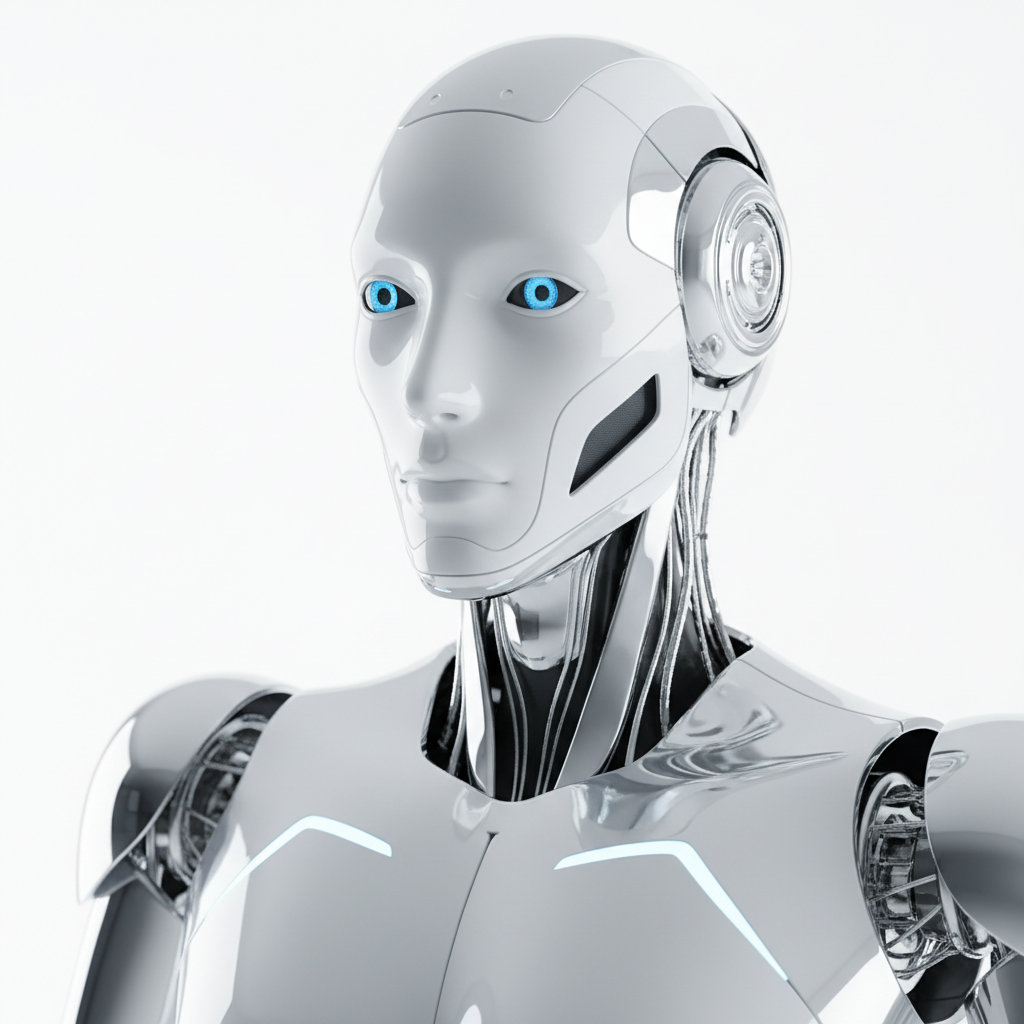
巡检机器狗 are designed to perform inspections in environments that are challenging or hazardous for humans. By integrating AI, these robots can now navigate complex terrains, detect anomalies, and make decisions autonomously, enhancing their efficiency and reliability in industrial settings.
AI-Powered Navigation and Obstacle Avoidance
One of the primary advantages of AI in巡检机器狗 is the improvement in navigation and obstacle avoidance. Traditional robots often rely on pre-programmed paths, which can be limiting in dynamic environments. With AI, these robotic dogs can process real-time data from sensors, allowing them to adapt to changes and avoid obstacles independently.
Advanced algorithms enable these robots to learn from their surroundings, ensuring they can operate effectively even in unpredictable conditions. This adaptability makes them ideal for tasks such as inspecting pipelines, power plants, or construction sites.
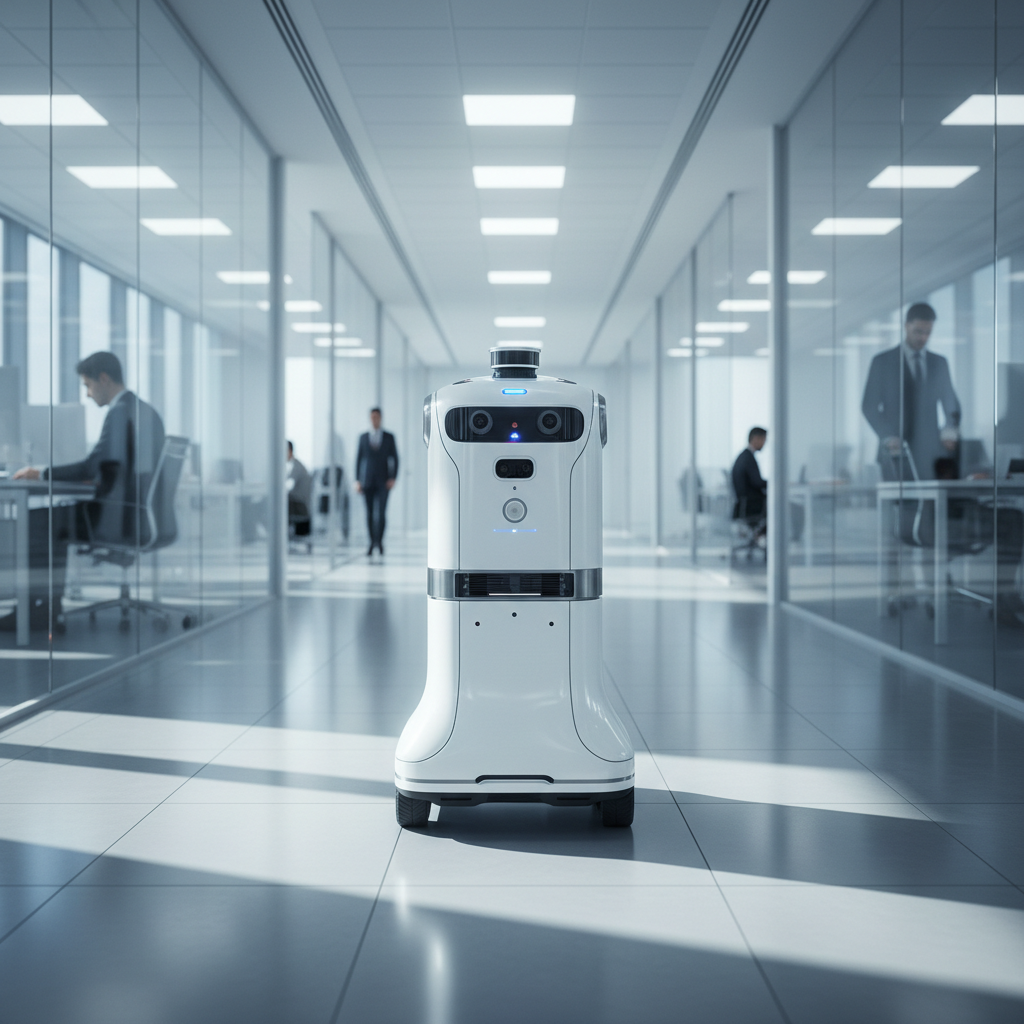
Enhanced Sensory Capabilities
AI has also revolutionized the sensory capabilities of巡检机器狗. Equipped with smart sensors and cameras, these robots can now detect and analyze various environmental factors. AI algorithms process the data collected, enabling the robots to identify issues like gas leaks, structural weaknesses, or temperature anomalies with high precision.
This enhanced sensory capability not only improves the accuracy of inspections but also ensures early detection of potential problems, reducing risks and preventing costly downtimes.
Autonomous Decision-Making
Another significant role of AI in巡检机器狗 is enabling autonomous decision-making. These robots can assess situations and respond without human intervention, making them valuable assets in time-sensitive scenarios. For instance, if a巡检机器狗 detects a critical fault, it can alert human operators immediately or take pre-defined actions to mitigate the risk.
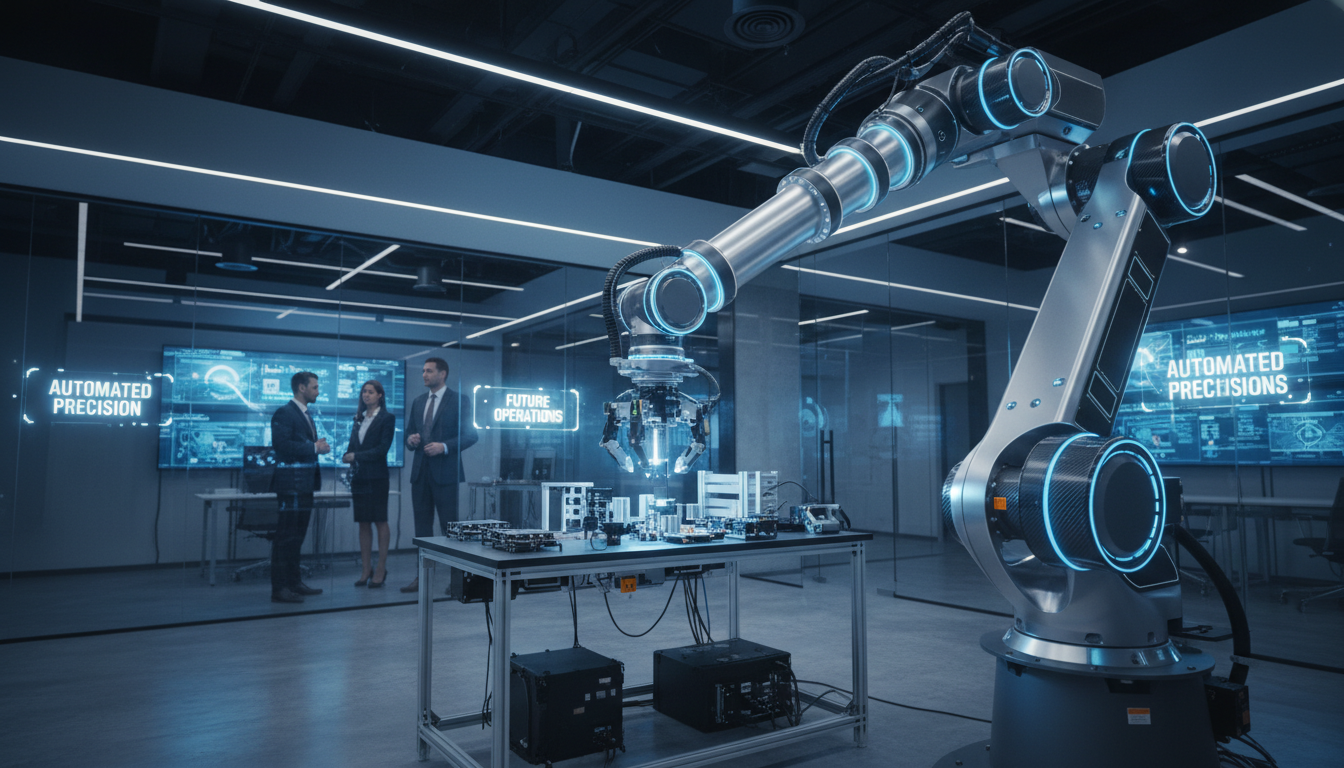
This level of autonomy is crucial in environments where every second counts, such as in emergency response operations or remote inspections.
Continuous Learning and Improvement
AI allows巡检机器狗 to continuously learn and improve their performance. Through machine learning, these robots can analyze past inspection data to refine their algorithms, ensuring they become more efficient with each task. This capability not only enhances their current performance but also prepares them for future challenges.
With AI,巡检机器狗 are not static tools but dynamic systems that evolve over time, offering long-term value to industries that rely on precision and reliability.
Conclusion
The integration of artificial intelligence in巡检机器狗 has marked a new era in robotic inspections. By enhancing navigation, sensory capabilities, decision-making, and learning, AI empowers these robots to perform complex tasks with greater efficiency and safety. As technology continues to advance, the role of AI in shaping the future of巡检机器狗 will undoubtedly expand, driving innovation and operational excellence across various sectors.