The Future of Inspection Robots in Hangzhou's Smart Factories


The Rise of Smart Factories in Hangzhou
Hangzhou is rapidly evolving as a hub for technological innovation, with smart factories at the heart of this transformation. These factories leverage advanced technologies such as IoT, AI, and robotics to enhance productivity and efficiency. One of the most exciting developments in this arena is the use of inspection robots.
Inspection robots are designed to streamline quality control processes, ensuring that products meet the highest standards. By integrating these robots, factories can significantly reduce human error and operational costs while maintaining consistency.
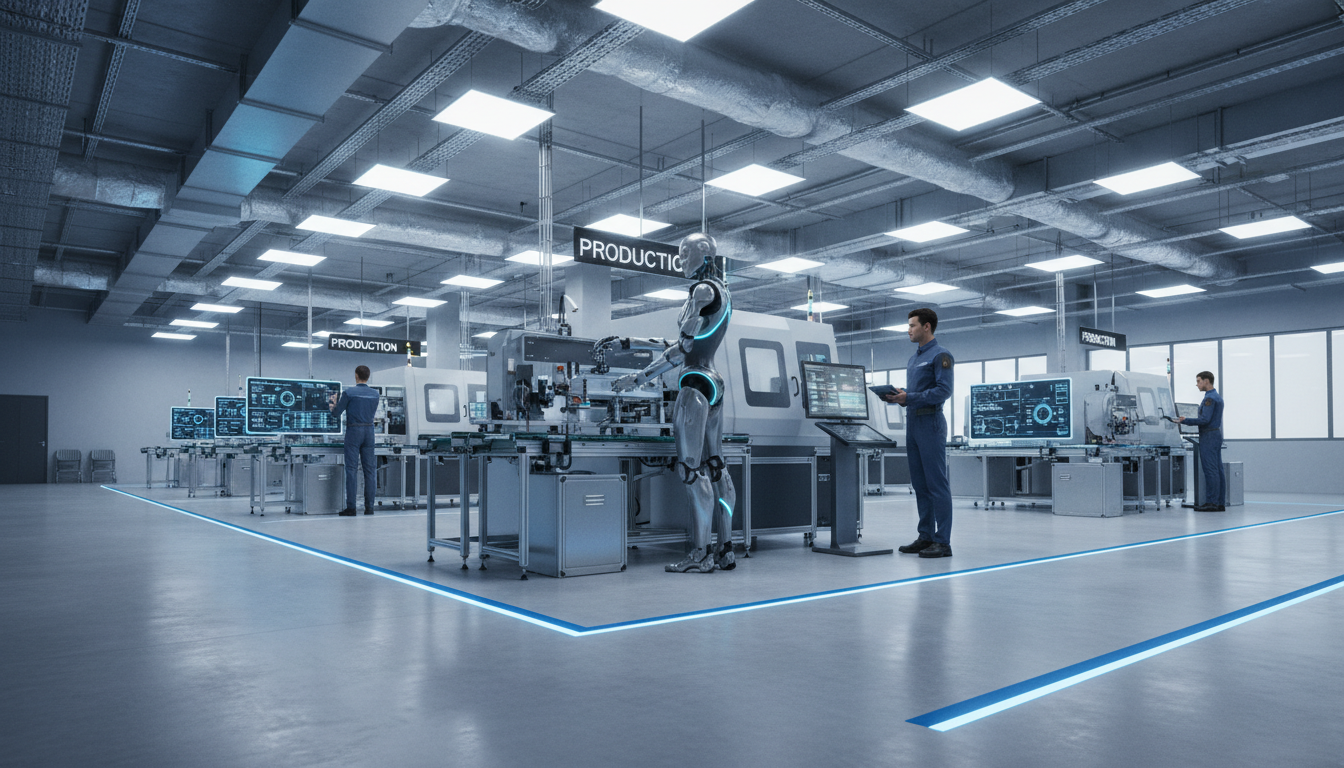
The Role of Inspection Robots
Inspection robots in smart factories perform a range of tasks, from visual inspections to more complex assessments using sensors and AI algorithms. These robots are capable of identifying defects that might be invisible to the human eye, ensuring products are flawless before reaching the market.
By utilizing machine learning, these robots continuously improve their inspection capabilities, adapting to new challenges and learning from past errors. This adaptability is crucial in maintaining the competitive edge of Hangzhou's manufacturing sector.
Advantages of Using Inspection Robots
The introduction of inspection robots in smart factories offers numerous benefits. Some of the key advantages include:
- Increased Efficiency: Robots can work around the clock without fatigue, significantly boosting productivity.
- Enhanced Accuracy: With precise sensors, these robots detect even the smallest defects.
- Cost Reduction: Automation reduces the need for manual inspections, lowering labor costs.
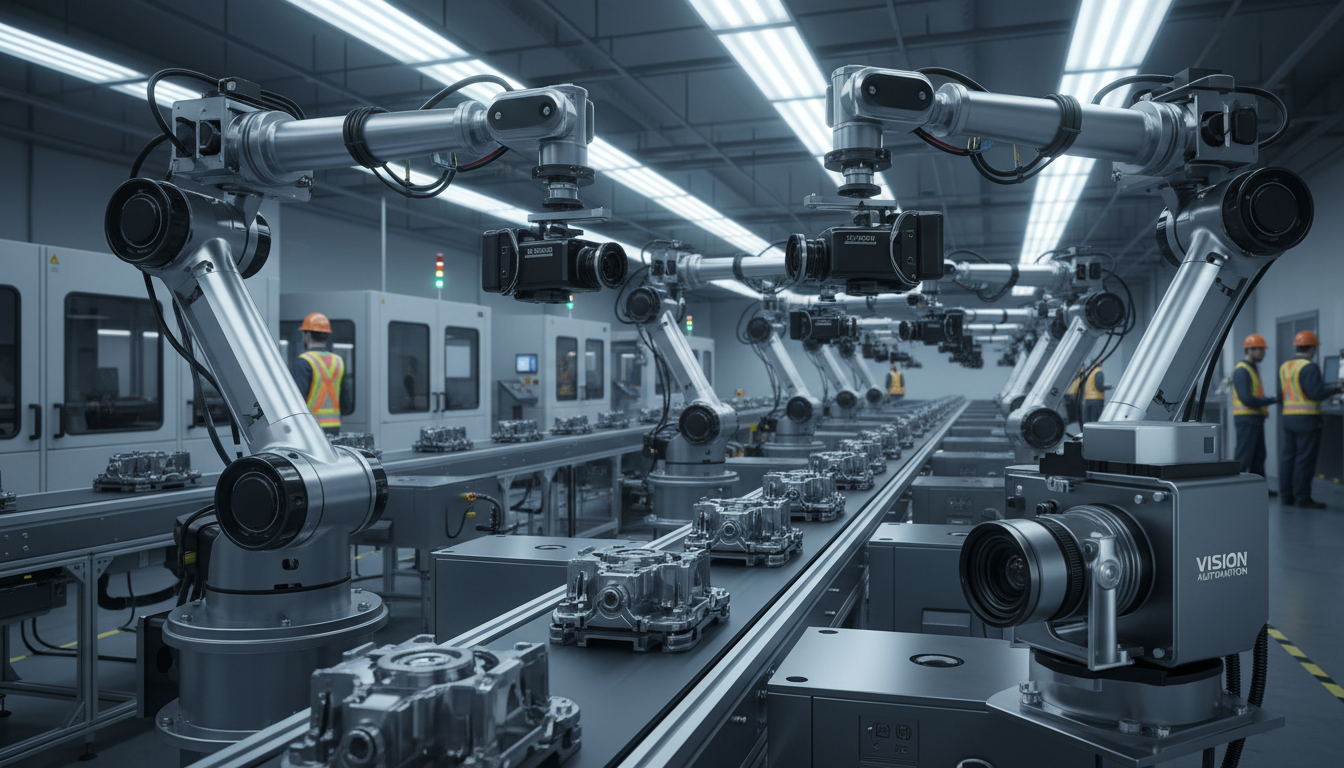
Challenges and Solutions
Despite the benefits, implementing inspection robots is not without challenges. Initial setup costs can be high, and there is a need for skilled personnel to manage and maintain the robotic systems. Additionally, integrating these robots with existing factory systems requires careful planning.
To overcome these challenges, companies can invest in training programs and work with technology partners to ensure seamless integration. Government incentives and subsidies can also play a vital role in easing the financial burden on businesses transitioning to smart technologies.
The Future Outlook
The future of inspection robots in Hangzhou's smart factories looks promising. As technology continues to advance, these robots will become even more sophisticated, offering greater functionality and efficiency. The ongoing development of AI and machine learning will further enhance their capabilities, making them indispensable in modern manufacturing.
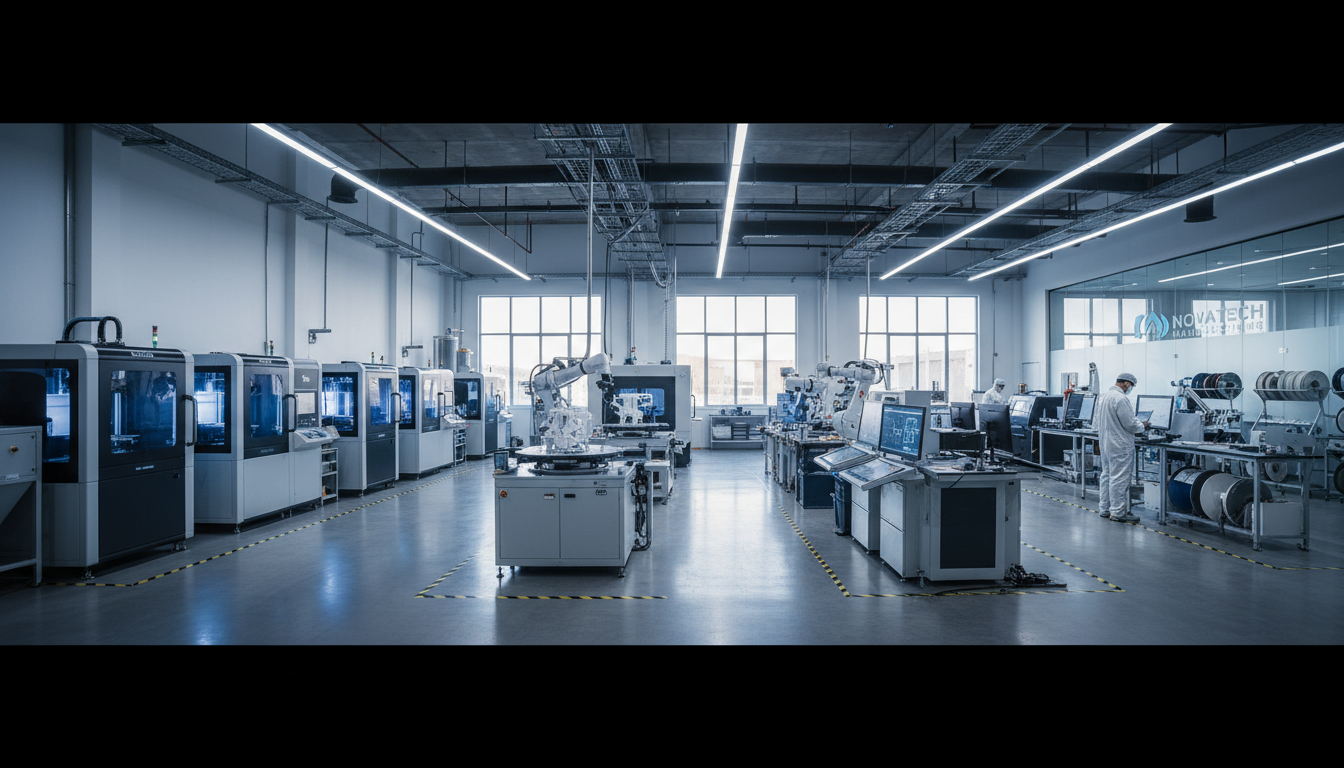
Ultimately, Hangzhou is set to become a leader in the global manufacturing landscape, driven by the innovative use of inspection robots and other smart technologies. As these factories continue to evolve, they will pave the way for a new era of industrial excellence.