The Future of Factories: How Digital Twins are Revolutionizing Manufacturing


In the ever-evolving landscape of manufacturing, the concept of digital twins is gaining significant traction. As factories continuously seek to optimize processes and enhance productivity, digital twins offer a revolutionary approach to managing and improving manufacturing operations.
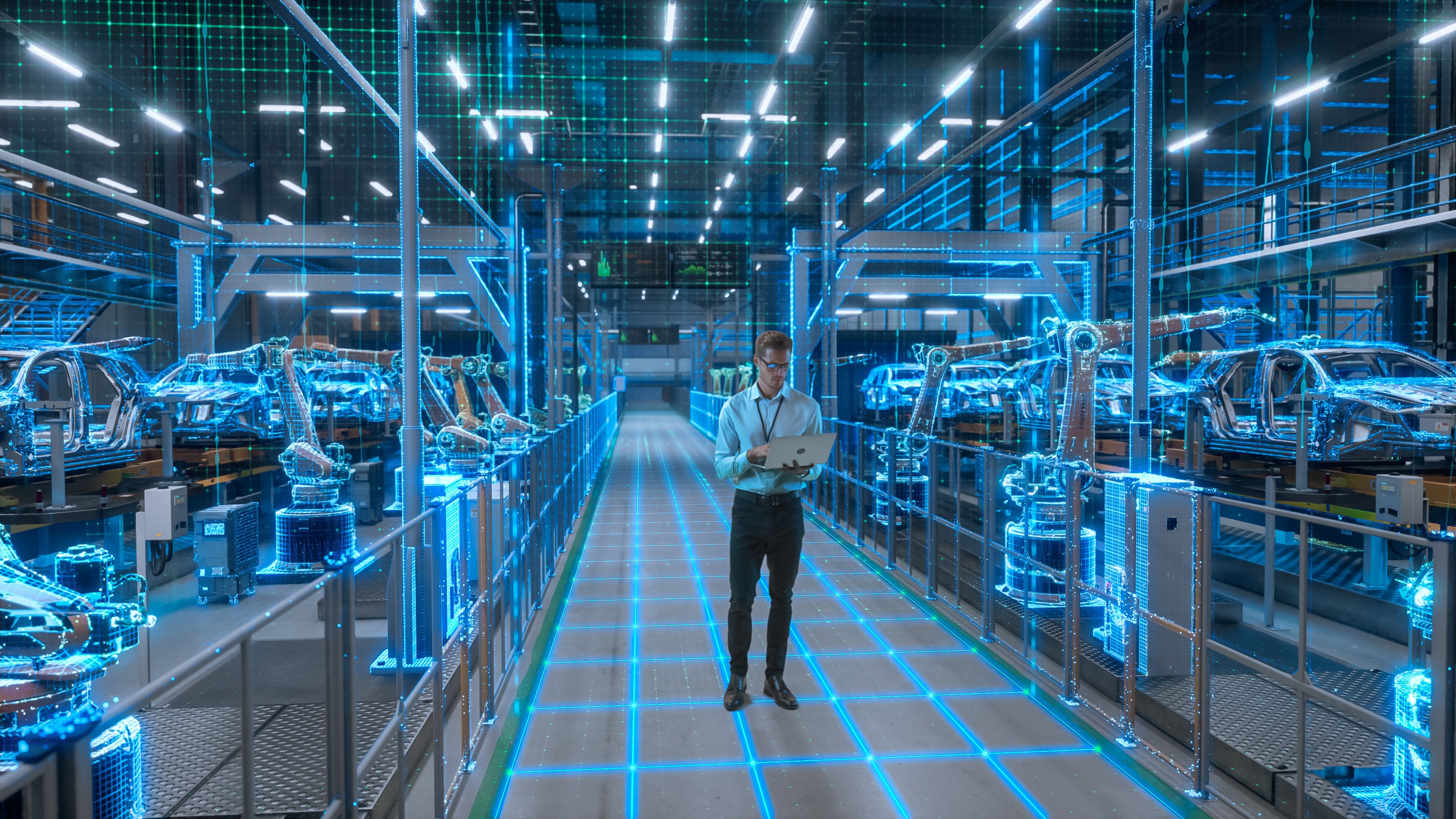
What are Digital Twins?
Digital twins are virtual replicas of physical systems that allow for real-time monitoring and analysis. By creating a digital counterpart of a factory, manufacturers can simulate various scenarios, predict outcomes, and make data-driven decisions. This innovative technology leverages the power of Internet of Things (IoT), artificial intelligence, and machine learning to provide a comprehensive view of operations.
How Digital Twins Work
Digital twins function by gathering data from sensors installed throughout the factory floor. This data is then processed and visualized in a digital model, enabling manufacturers to monitor the performance of machines and workflows in real-time. By analyzing this information, factories can identify inefficiencies, predict maintenance needs, and optimize production schedules.
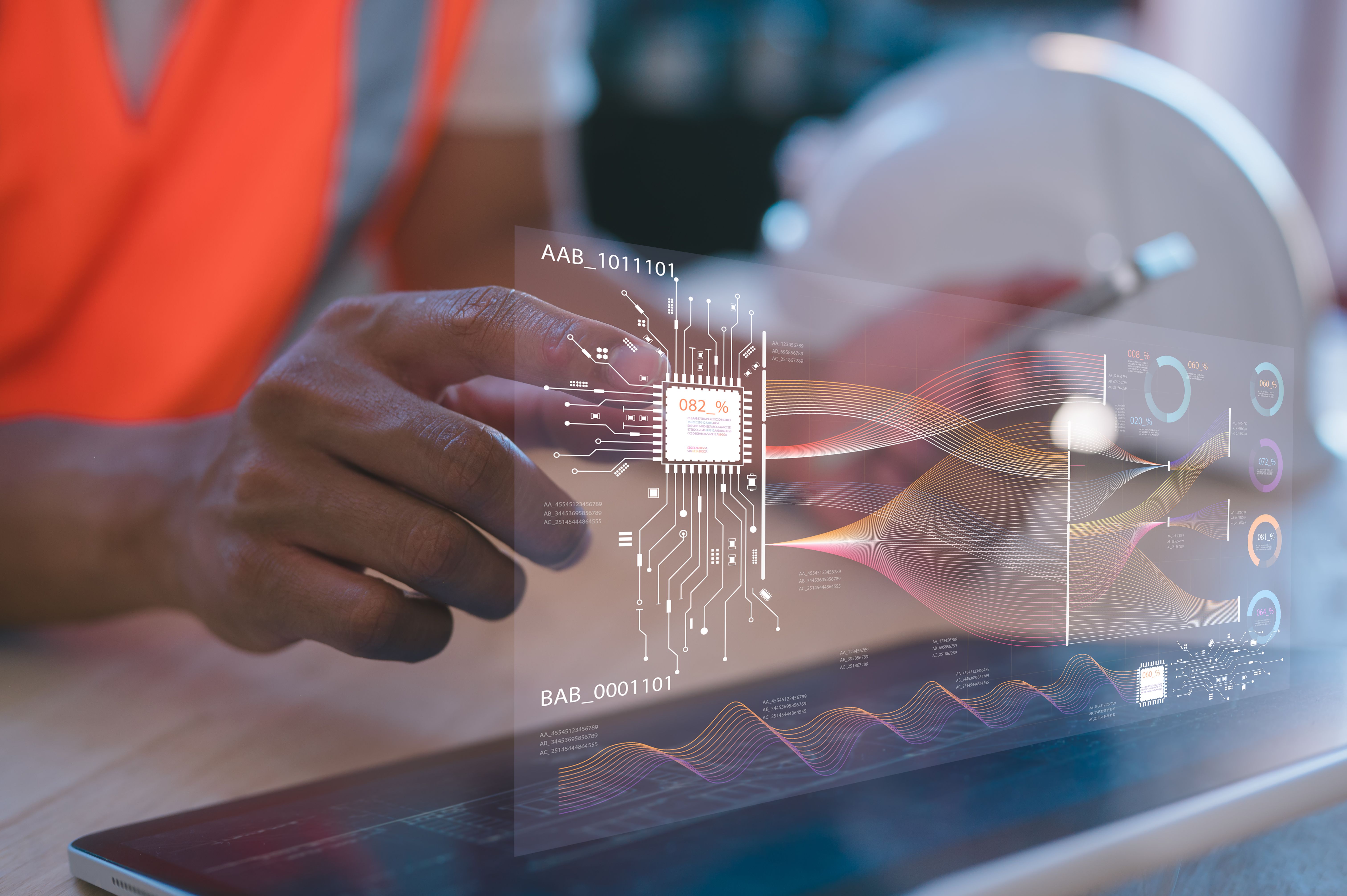
Benefits of Implementing Digital Twins
One of the primary advantages of digital twins is their ability to enhance operational efficiency. By simulating different production scenarios, manufacturers can identify bottlenecks and implement solutions before they impact the actual production line. This proactive approach leads to reduced downtime and increased productivity.
Improved Maintenance and Reduced Costs
Digital twins also play a crucial role in predictive maintenance. By continuously monitoring equipment performance, they can predict when a machine is likely to fail, allowing for timely interventions. This not only prolongs the lifespan of machinery but also significantly reduces maintenance costs.
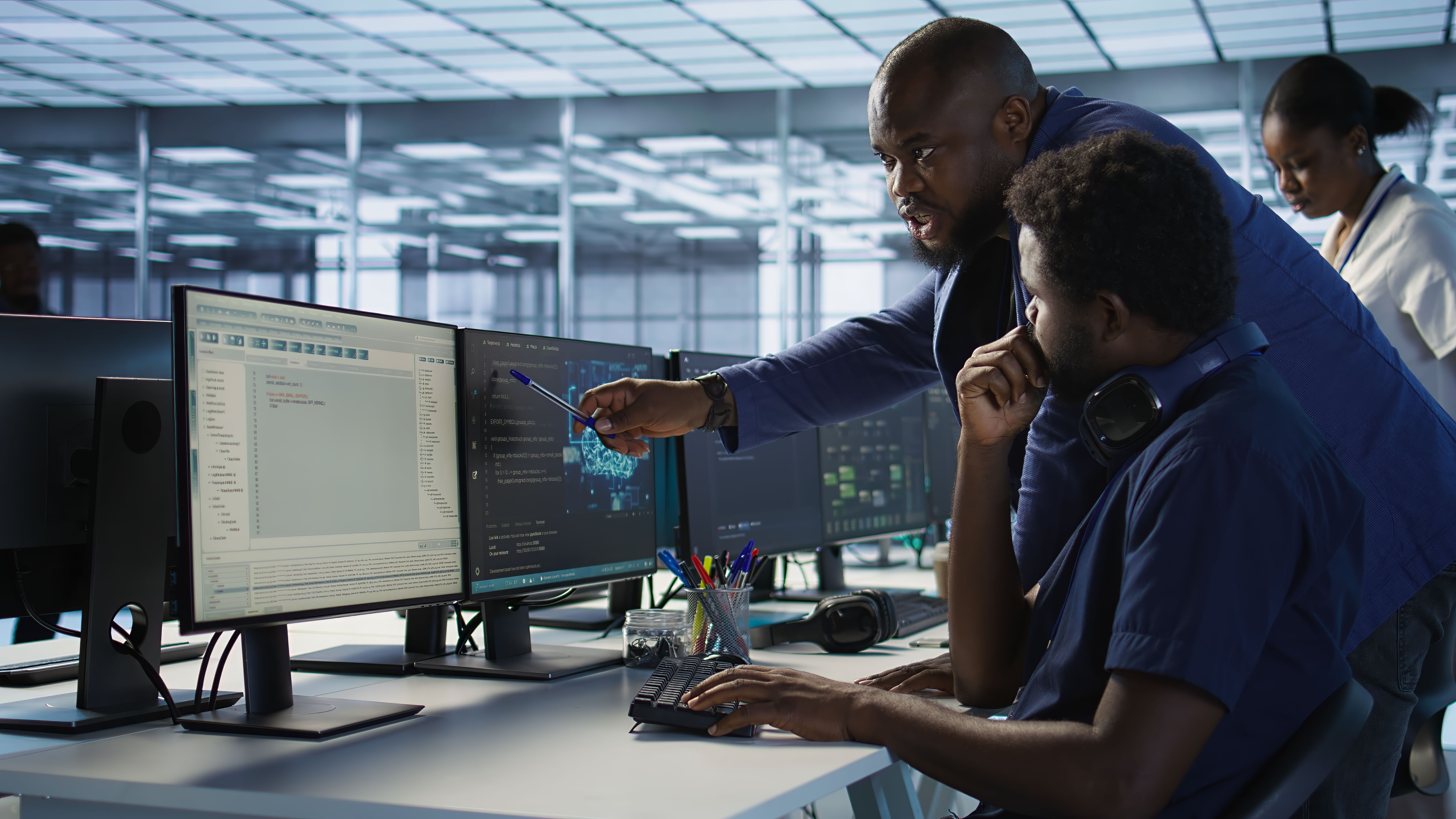
Challenges and Considerations
While the benefits of digital twins are substantial, there are challenges to consider. Implementing this technology requires a significant investment in infrastructure and skilled personnel. Additionally, data security is a critical concern, as the integration of IoT devices increases the risk of cyber threats.
The Future of Manufacturing
Despite these challenges, the potential of digital twins in revolutionizing manufacturing is undeniable. As technology continues to advance, the adoption of digital twins is expected to become more widespread. This will not only transform how factories operate but also redefine the standards of manufacturing efficiency and innovation.
In conclusion, digital twins represent a paradigm shift in the manufacturing industry. By bridging the gap between the physical and digital worlds, they offer unprecedented opportunities for optimization and growth. As factories embrace this cutting-edge technology, the future of manufacturing looks more promising than ever.