The Evolution of Intelligent Entities: From Robots to Drones


The Rise of Intelligent Entities
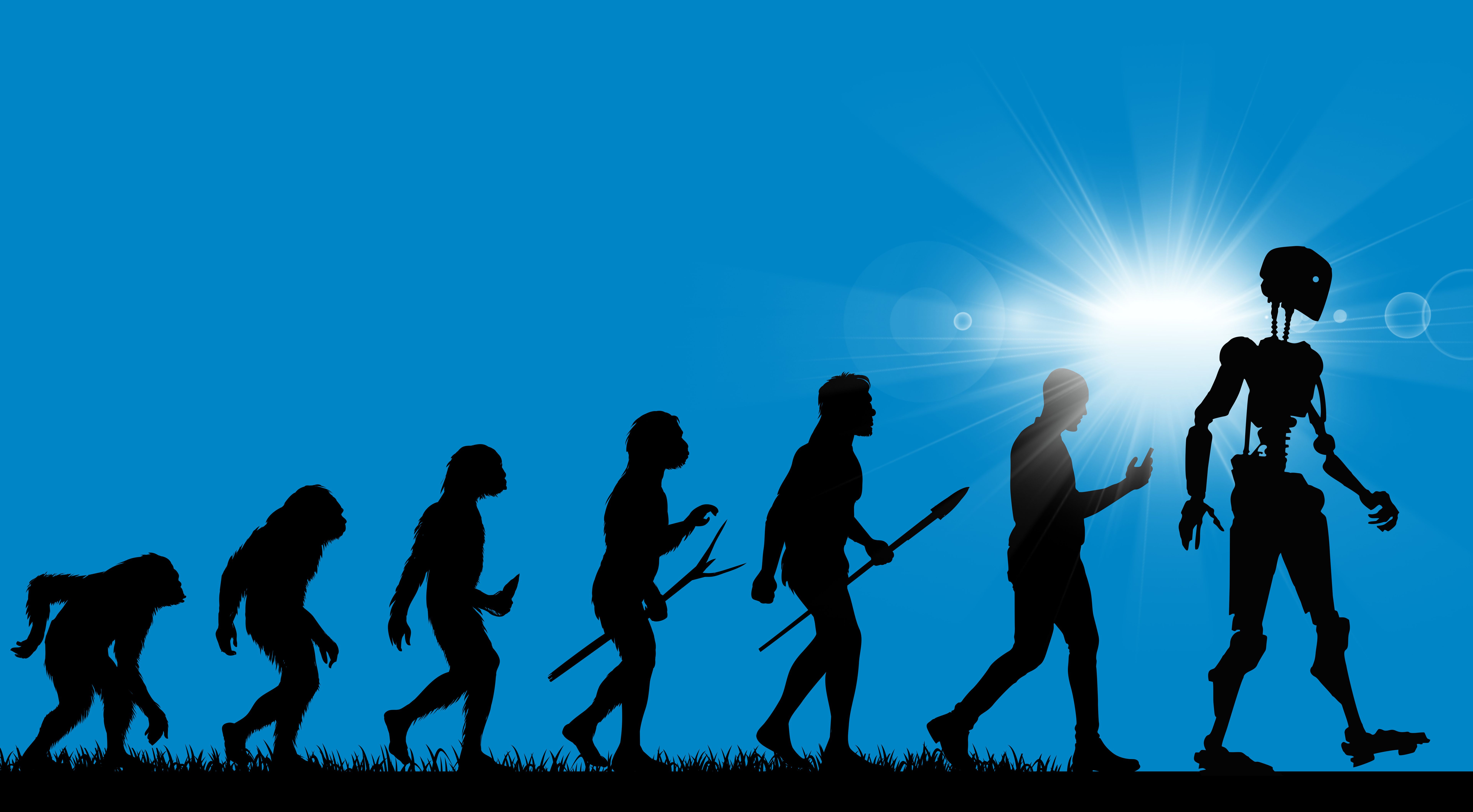
The journey of intelligent entities is a fascinating tale of innovation and technological prowess. From the early days of rudimentary robots to the sophisticated drones of today, each step marks a significant leap in our ability to create machines that can think, learn, and interact with the world around them. This evolution reflects our relentless pursuit of progress and efficiency.
The Dawn of Robotics
The concept of robots dates back to ancient times, but it wasn’t until the 20th century that robotics truly began to take shape. Early robots were primarily industrial machines designed to perform repetitive tasks faster and more accurately than humans. These machines laid the groundwork for future innovations, focusing on automating labor-intensive processes.
In the latter half of the century, advancements in computing power and materials science enabled the creation of robots that could perform more complex tasks. This era saw the introduction of robots in various sectors, including manufacturing, healthcare, and entertainment, heralding a new age of automation.
The Advent of Artificial Intelligence
As robotics evolved, so did the field of artificial intelligence (AI). The integration of AI into robotics transformed machines from simple automatons into entities capable of decision-making and learning. AI gave robots the ability to process information, recognize patterns, and adapt to new environments, which significantly expanded their potential applications.
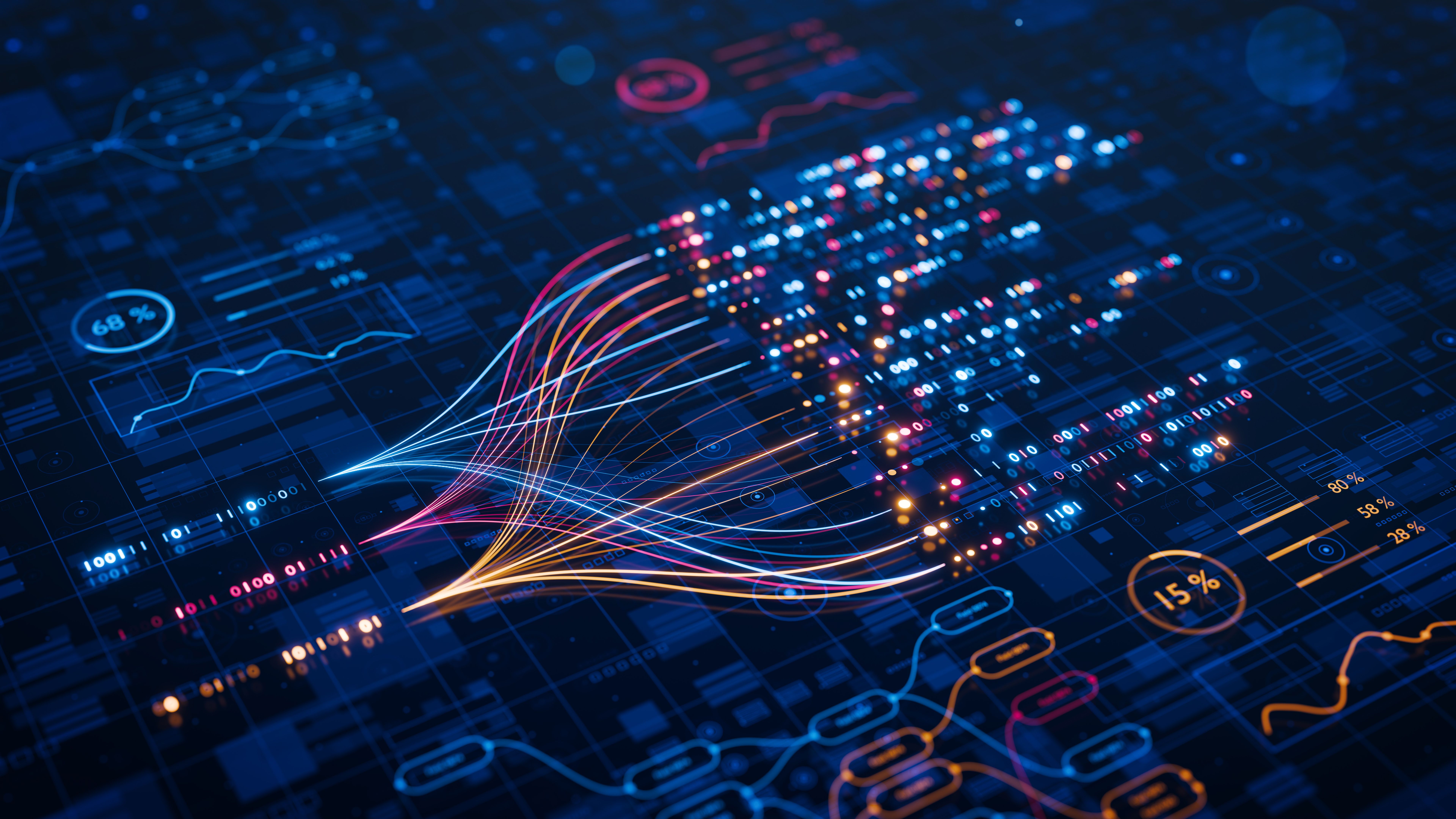
Today, AI-driven robots are used in a myriad of industries, from autonomous vehicles navigating city streets to robotic surgeons performing delicate medical procedures. This synergy between robotics and AI continues to push the boundaries of what machines can achieve.
The Emergence of Drones
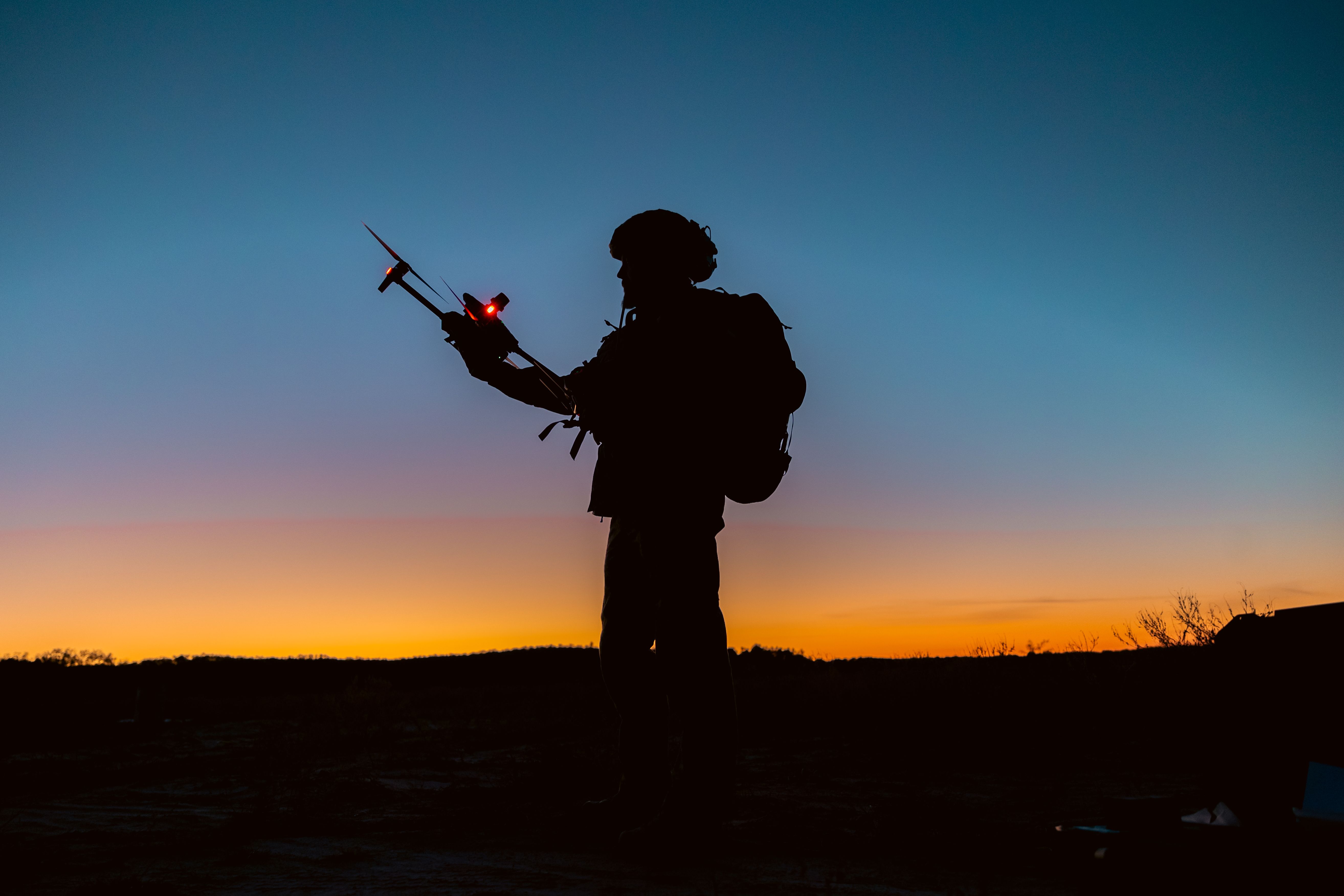
While robots have been a staple of technological innovation, drones represent a more recent evolution in intelligent entities. Initially developed for military purposes, drones have rapidly expanded into commercial and recreational use. These flying machines provide unique advantages, such as the ability to access hard-to-reach areas and gather data from a bird’s-eye view.
Equipped with advanced sensors and AI, drones are now employed in diverse fields, including agriculture, logistics, and environmental monitoring. Their ability to perform tasks such as aerial mapping, crop management, and package delivery showcases their versatility and effectiveness.
The Future of Intelligent Entities
The future of intelligent entities is bright and full of potential. As technology continues to advance, we can expect to see even more sophisticated robots and drones that can perform increasingly complex tasks. Key areas of development include enhanced autonomy, improved energy efficiency, and greater interoperability between machines.
- Enhanced Autonomy: Future intelligent entities will likely operate with minimal human intervention, making decisions and adapting in real-time.
- Improved Energy Efficiency: Innovations in power sources and energy management will allow these machines to operate longer and more sustainably.
- Greater Interoperability: Seamless communication between different machines will enable more coordinated and efficient operations.
As we continue to explore the possibilities of intelligent entities, the potential for innovation seems limitless. The next chapter in this journey promises to bring new opportunities and challenges, reshaping industries and redefining how we interact with technology.