Preparing for the Future: Implementing AI in Zhejiang's Manufacturing


Embracing Technological Advancements
As the global landscape shifts towards digitalization, Zhejiang's manufacturing sector is keenly observing the potential of integrating Artificial Intelligence (AI). This technological evolution is not just a trend but a critical leap towards maintaining competitiveness in the international market. By implementing AI, manufacturers in Zhejiang can enhance productivity, optimize processes, and reduce costs.
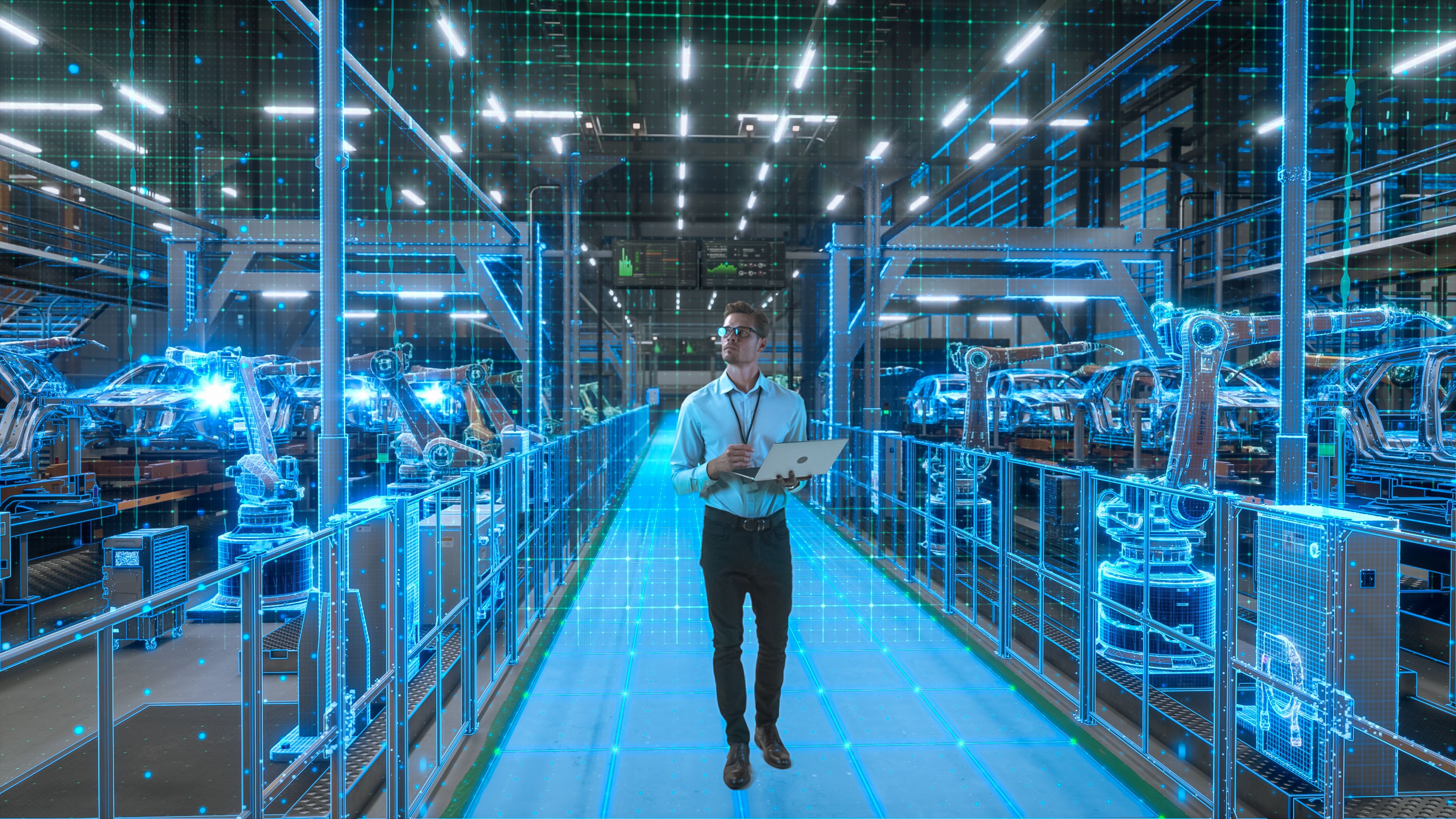
The region is already renowned for its robust manufacturing capabilities, but the integration of AI could propel it to new heights. The ability to automate routine tasks and analyze vast amounts of data offers a promising future for manufacturers seeking to innovate and stay ahead.
AI-Driven Innovations
AI applications in manufacturing are diverse and transformative. From predictive maintenance to smart logistics, the potential uses are extensive. Predictive maintenance, for instance, allows manufacturers to foresee machinery breakdowns before they occur, reducing downtime and maintenance costs significantly.
Furthermore, AI can optimize supply chain management. By analyzing historical data and current market trends, AI systems can forecast demand more accurately, ensuring the right amount of materials are procured and stored, minimizing waste.
Challenges and Considerations
While the benefits are substantial, implementing AI in Zhejiang's manufacturing is not without challenges. One significant hurdle is the initial investment cost. High-quality AI systems require substantial investment, which can be daunting for small to medium-sized enterprises.
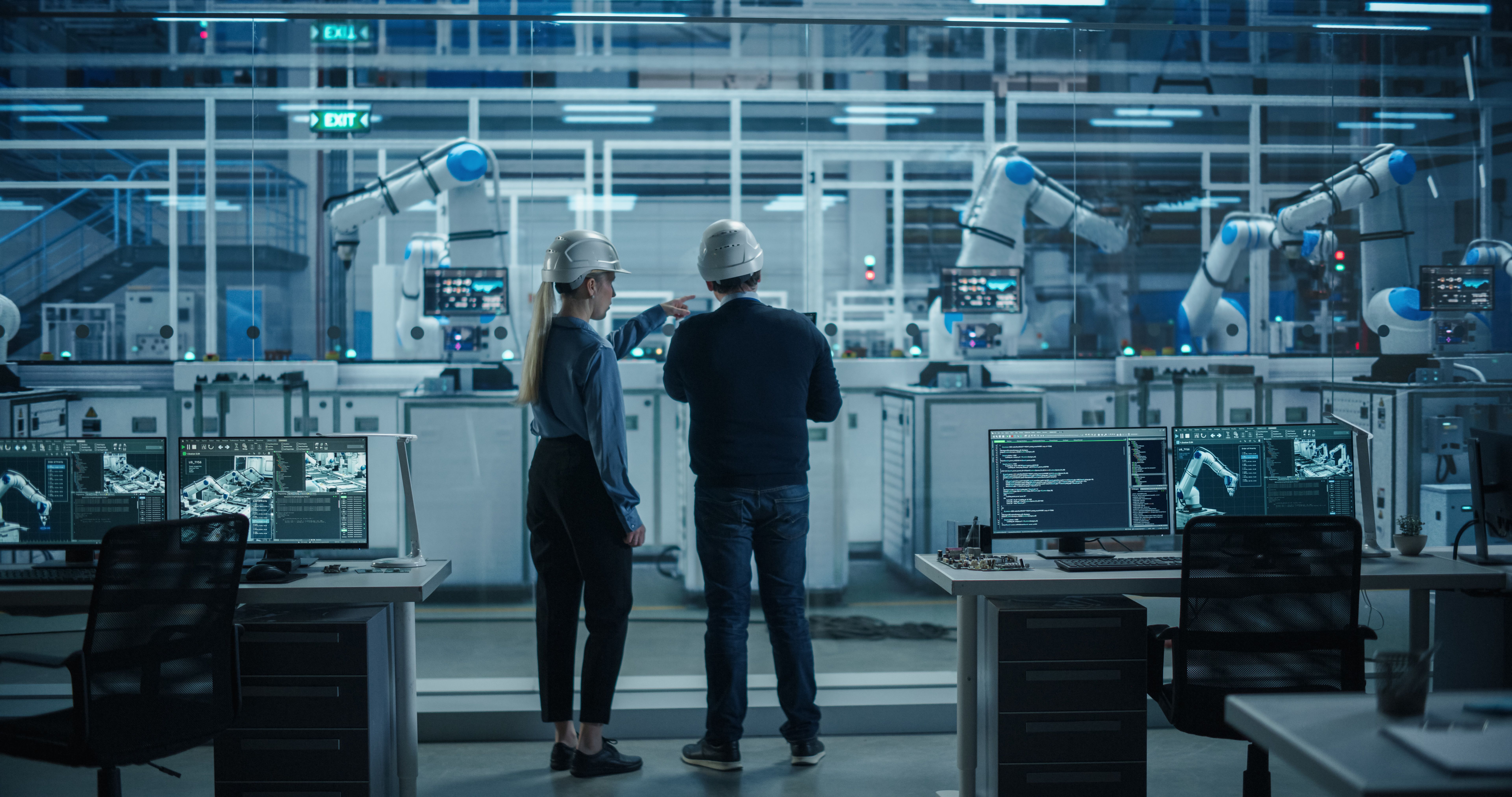
Additionally, there is a need for skilled personnel who can manage and maintain these systems. Training the existing workforce and attracting new talent skilled in AI technologies are crucial steps in ensuring successful implementation.
Government and Industry Collaboration
The role of government and industry collaboration cannot be overstated. Policies that encourage AI adoption, such as tax incentives and subsidies, can alleviate the financial burden on manufacturers. Collaborative efforts between the government and educational institutions can also facilitate training programs to build a skilled workforce.

Moreover, standardizing AI technologies and encouraging open-source platforms can foster innovation and collaboration among manufacturers, creating a more cohesive and efficient industry ecosystem.
The Road Ahead
Looking forward, the future of manufacturing in Zhejiang with AI is promising. The region is poised to become a leader in smart manufacturing, setting benchmarks for efficiency and innovation. By embracing AI, Zhejiang manufacturers can not only enhance their competitive edge but also contribute significantly to the global manufacturing landscape.
As AI technology continues to evolve, staying informed and adaptable will be key. Manufacturers must be proactive in exploring AI possibilities and remain committed to continuous improvement and innovation.