Myth-Busting: Common Misconceptions About AI in Industrial Applications


Introduction
Artificial Intelligence (AI) is revolutionizing industries across the globe, but with its rise comes a host of misconceptions. These myths can hinder the full potential of AI in industrial applications. Let's explore and debunk some of the most common misconceptions about AI in this sector.
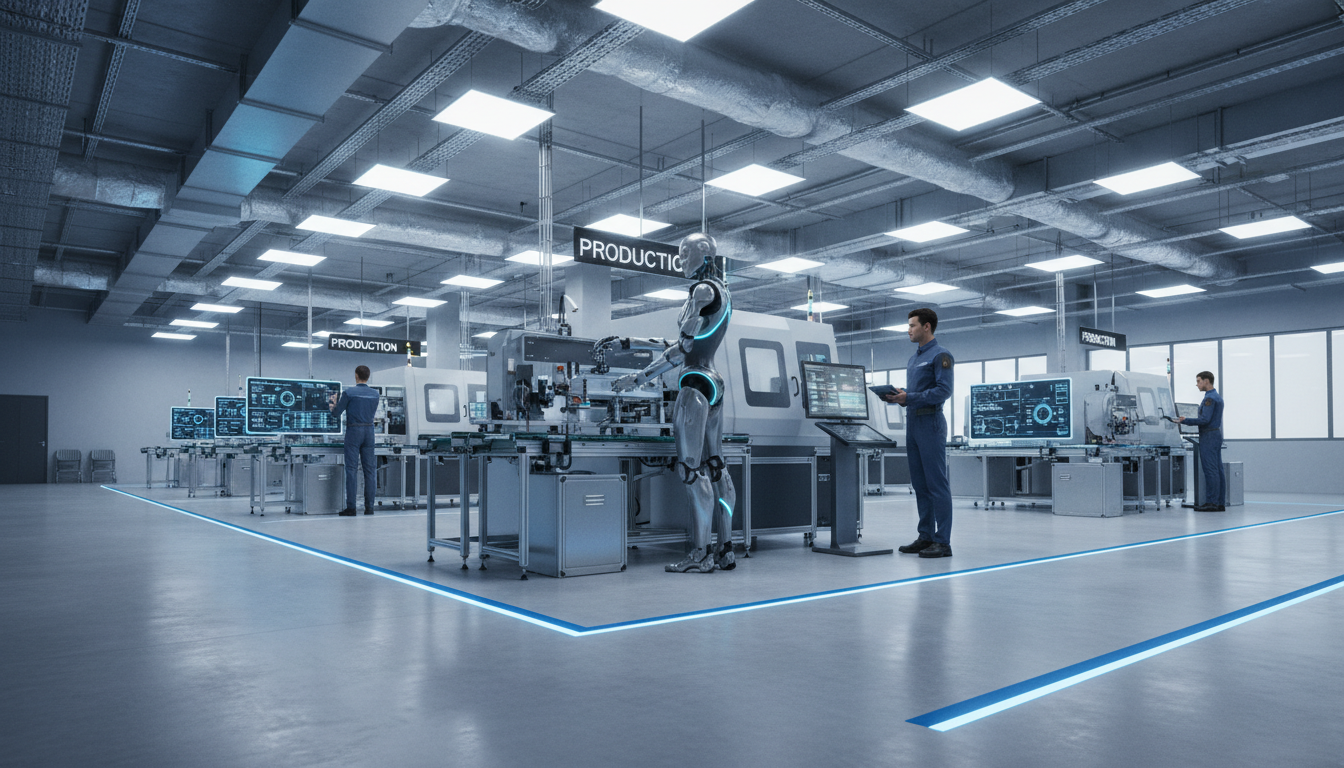
AI Will Replace All Human Jobs
One of the most widespread fears is that AI will completely replace human workers in industries. While AI can automate repetitive tasks, it is not a substitute for human ingenuity and problem-solving skills. Instead, AI and humans complement each other, leading to enhanced productivity and innovation.
Industries are increasingly adopting AI to handle mundane tasks, allowing human workers to focus on more strategic and creative roles. This collaboration is creating new job opportunities rather than eliminating them.
The Rise of Collaborative Robots
Collaborative robots, or cobots, are designed to work alongside humans. They assist with tasks that require precision and consistency, reducing the risk of injury and improving efficiency. This partnership between AI and humans can lead to safer and more productive workplaces.

AI Is Too Complex for Industrial Use
Another misconception is that AI is too complex and costly for industrial applications. However, advances in technology have made AI more accessible and affordable for businesses of all sizes. Cloud-based AI solutions and user-friendly interfaces enable companies to integrate AI without needing a team of specialists.
Moreover, many AI tools are designed with scalability in mind, allowing businesses to start small and expand as needed. This flexibility ensures that companies can adopt AI at their own pace, reaping the benefits without overwhelming their resources.
Real-World Examples
Numerous industries have successfully integrated AI into their operations. In manufacturing, predictive maintenance powered by AI helps to minimize downtime and optimize machinery performance. In logistics, AI-driven systems improve supply chain efficiency and reduce delivery times.
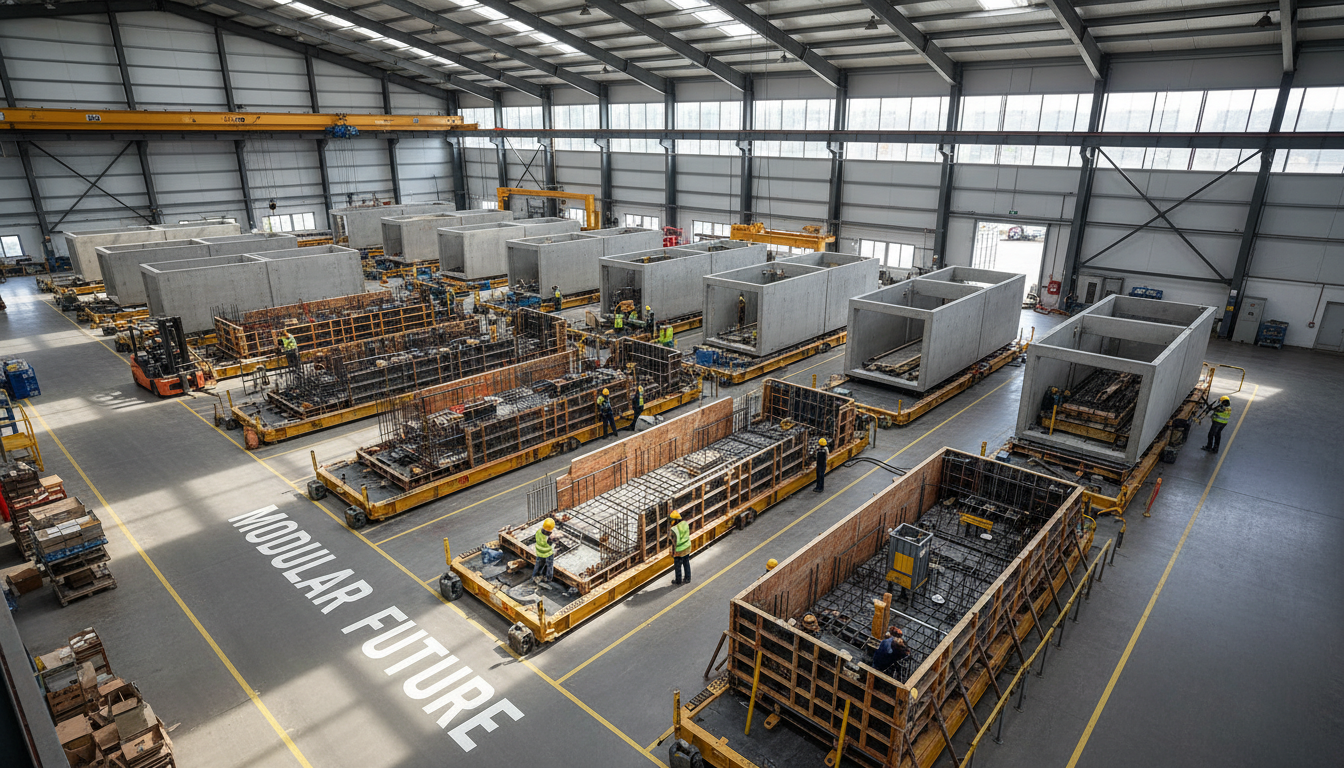
AI Lacks Creativity
Many believe that AI is inherently uncreative, but this is a misconception. While AI may not possess creativity in the human sense, it can generate innovative solutions by analyzing vast amounts of data and identifying patterns that humans might overlook.
For instance, AI can assist in product design by predicting consumer preferences and testing multiple design variations rapidly. This capability can lead to innovative products that align closely with market demands.
The Role of Data
AI's ability to process and analyze data at incredible speeds is a major asset in creativity. By leveraging AI, industries can unlock new insights and opportunities, driving innovation and competitive advantage.

Conclusion
Dispelling these myths is crucial for the successful adoption of AI in industrial applications. By understanding the true capabilities and potential of AI, industries can leverage this technology to enhance productivity, foster innovation, and create new opportunities for growth. Embracing AI as a partner rather than a replacement can lead to exciting advancements across various sectors.