Maximizing Efficiency: The Benefits of Using Inspection Robot Dogs


In today's rapidly advancing technological landscape, the integration of robotics in various industries is no longer a futuristic concept but a present-day reality. One of the most fascinating applications is the use of inspection robot dogs. These agile and versatile machines are revolutionizing the way inspections are conducted, offering numerous benefits over traditional methods.
Understanding Inspection Robot Dogs
Inspection robot dogs are autonomous or remotely controlled machines equipped with advanced sensors and cameras. They are designed to navigate complex environments with ease, making them ideal for industrial inspections. Their ability to traverse difficult terrains and access hard-to-reach areas provides significant advantages in efficiency and safety.
Enhanced Safety and Accessibility
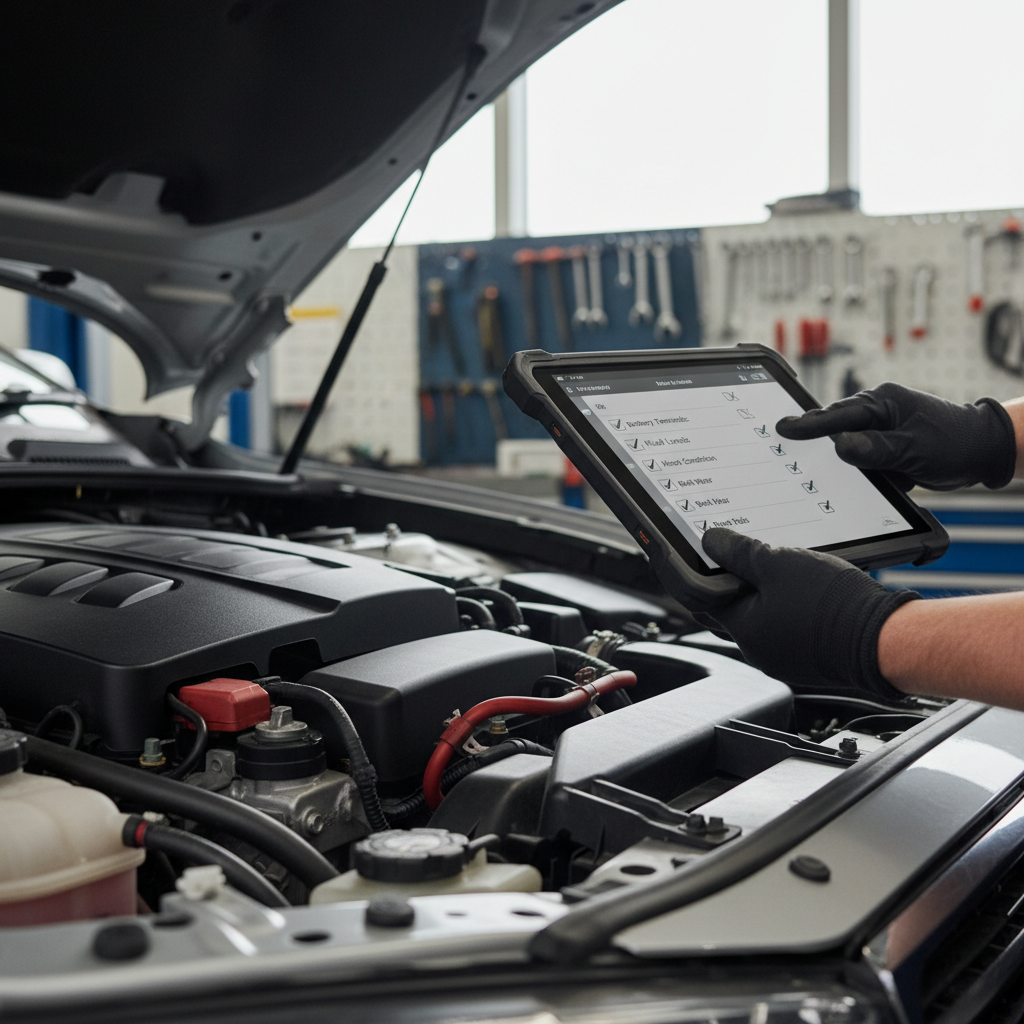
One of the primary benefits of using inspection robot dogs is the enhanced safety they provide. These robots can perform inspections in hazardous environments, such as chemical plants or construction sites, reducing the risk to human inspectors. By taking on the dangerous tasks, they minimize the potential for accidents and injuries.
Moreover, their compact and agile design allows them to access confined spaces and elevated areas that would otherwise be challenging for human inspectors. This accessibility ensures a comprehensive inspection process, leaving no area unchecked.
Increased Efficiency and Cost Savings
Inspection robot dogs significantly increase operational efficiency. They can perform inspections faster than humans, covering large areas in a fraction of the time. This speed not only accelerates the inspection process but also reduces downtime, leading to substantial cost savings for businesses.
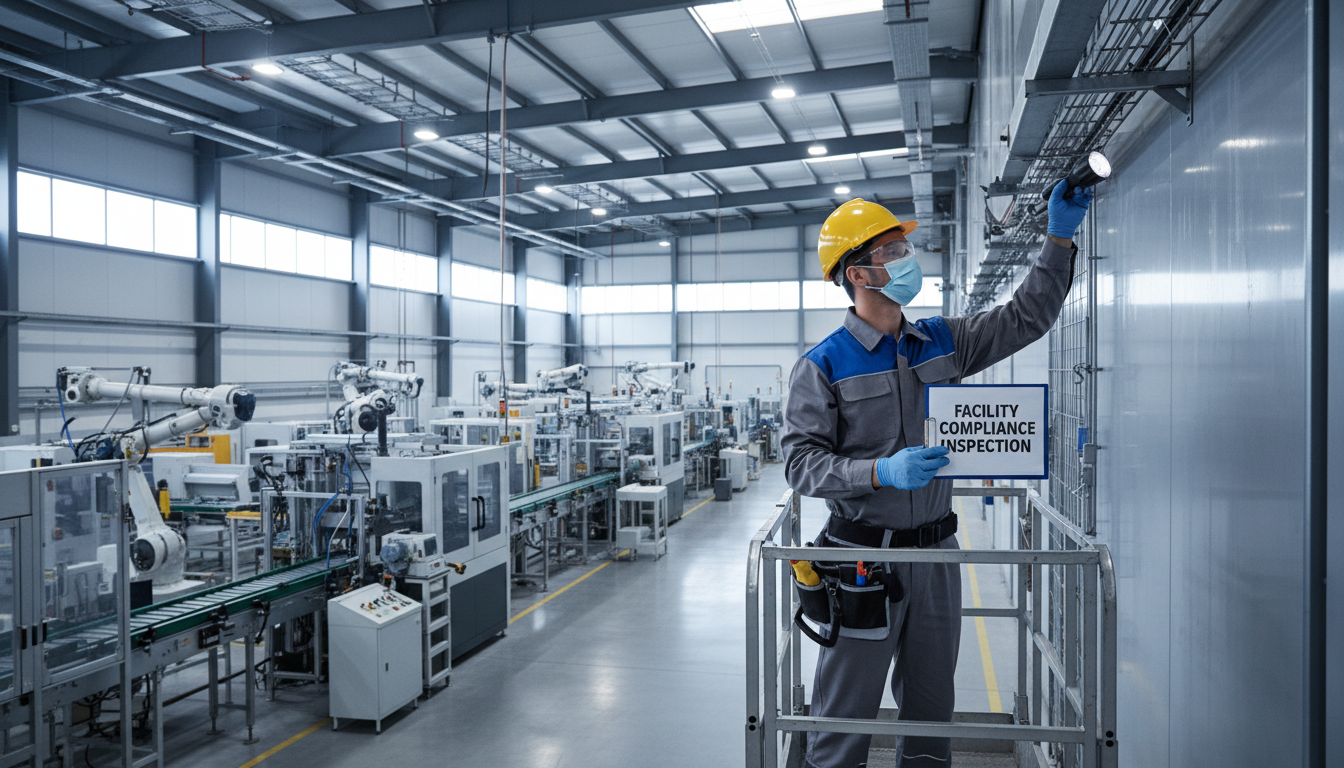
Additionally, their ability to operate autonomously or under remote guidance means that inspections can be conducted more frequently and at a lower cost than traditional methods. This regularity ensures that potential issues are identified and addressed before they escalate into costly problems.
Advanced Data Collection and Analysis
Equipped with high-resolution cameras and sophisticated sensors, inspection robot dogs collect detailed data during inspections. This data is invaluable for analyzing the condition of infrastructure and machinery, allowing for predictive maintenance strategies that further enhance efficiency.
The integration of artificial intelligence allows these robots to process and analyze data in real time, providing immediate insights and recommendations. This capability not only improves the accuracy of inspections but also aids in informed decision-making.
Environmental Impact and Sustainability
By replacing traditional inspection methods that often involve heavy machinery and extensive manpower, inspection robot dogs contribute to a more sustainable approach. They consume less energy and reduce the carbon footprint associated with manual inspections, aligning with modern sustainability goals.
Furthermore, their ability to perform inspections without disrupting the environment ensures that ecosystems remain undisturbed, promoting a more eco-friendly operation.
Conclusion
The use of inspection robot dogs is a game-changer in industries requiring regular and comprehensive inspections. Their benefits in terms of safety, efficiency, data analysis, and environmental impact make them an invaluable asset. As technology continues to evolve, their role in enhancing operational processes will only grow, paving the way for a future where inspections are safer, faster, and more effective.