Leveraging AI and IoT for Smart Factory Solutions in Zhejiang


Introduction to Smart Factory Solutions
In recent years, the convergence of Artificial Intelligence (AI) and the Internet of Things (IoT) has revolutionized industrial landscapes across the globe. In Zhejiang, a province known for its manufacturing prowess, these technologies are paving the way for smart factory solutions. By integrating AI and IoT, factories can enhance productivity, reduce costs, and improve overall operational efficiency.
An AI-driven smart factory utilizes advanced algorithms to analyze data collected from IoT devices. This enables real-time decision-making, optimizing processes like never before. As Zhejiang continues to innovate, the adoption of these technologies becomes increasingly crucial for maintaining competitive advantage.
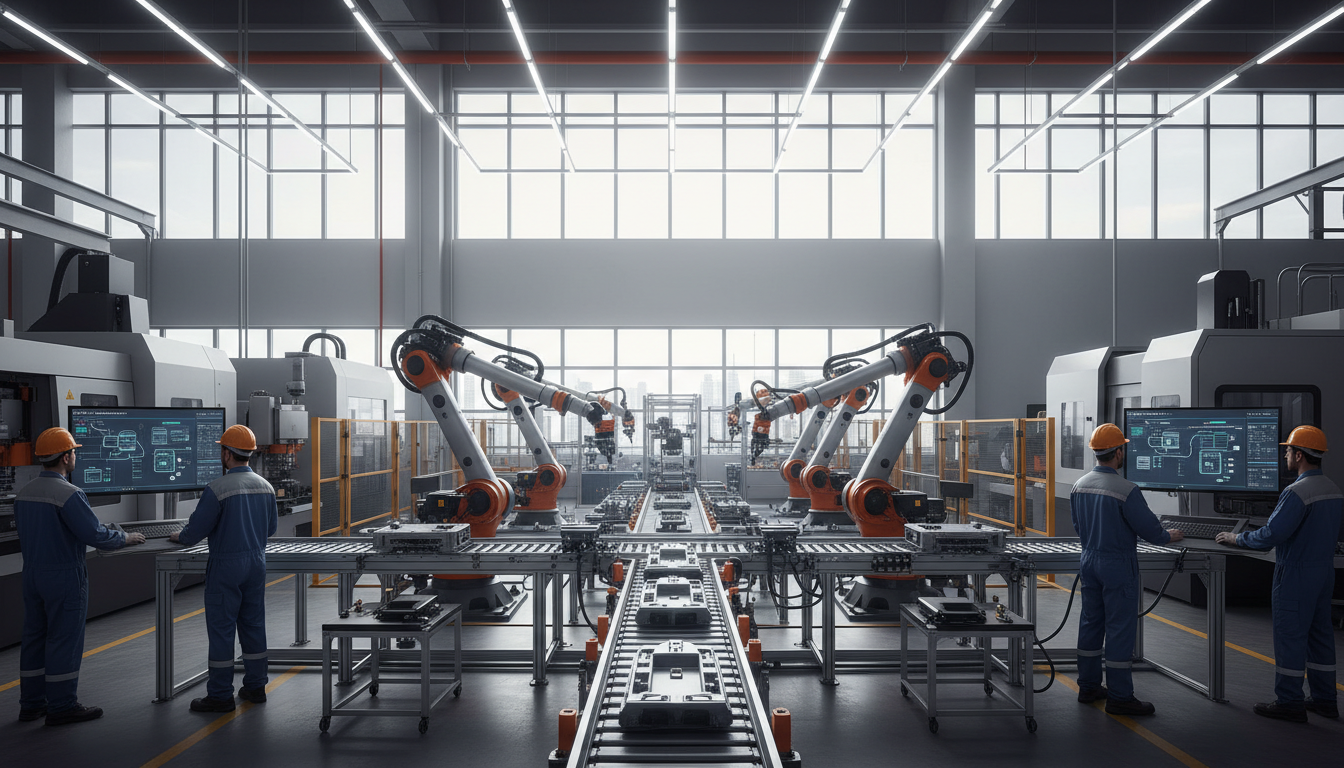
AI in Smart Factories
AI plays a pivotal role in transforming traditional manufacturing processes into more intelligent systems. Through machine learning and data analytics, AI can predict maintenance needs, identify defects, and optimize production scheduling. This predictive capability minimizes downtime and enhances product quality.
Moreover, AI facilitates automation by enabling machines to learn from historical data. This learning process allows machinery to adapt to new conditions and improve performance over time, making production lines more agile and responsive to changing market demands.

IoT's Impact on Manufacturing
IoT devices are integral to smart factories, providing the data needed for AI to function effectively. These devices include sensors, RFID tags, and smart meters that gather real-time data on various aspects of the production process. This data is essential for monitoring equipment health, tracking inventory, and ensuring safety compliance.
In Zhejiang's industrial sector, IoT adoption has led to substantial improvements in supply chain visibility and resource management. By leveraging IoT, factories can reduce waste, streamline logistics, and enhance energy efficiency.

Challenges and Solutions
Despite the benefits, implementing AI and IoT in smart factories presents several challenges. These include data security concerns, high initial investment costs, and the need for skilled personnel to manage these advanced systems. Addressing these challenges requires a strategic approach and collaboration between industry stakeholders.
One effective solution is investing in workforce training to equip employees with the necessary skills to operate and maintain AI and IoT systems. Additionally, developing robust cybersecurity measures ensures the protection of sensitive data, maintaining trust and reliability in smart factory operations.
The Future of Smart Factories in Zhejiang
As Zhejiang continues to embrace AI and IoT, smart factories will likely become the norm rather than the exception. The ongoing development of 5G networks will further enhance connectivity, enabling even more sophisticated applications of these technologies.
Looking ahead, Zhejiang's commitment to innovation and technology adoption positions it as a leader in the smart manufacturing revolution. By continuously investing in these advancements, the region can expect to see sustained economic growth and increased global competitiveness.

Conclusion
The integration of AI and IoT in Zhejiang's manufacturing sector marks a significant step towards a smarter, more efficient industrial future. By overcoming challenges and leveraging these technologies, Zhejiang is set to redefine what it means to be a leader in modern manufacturing.
As more companies adopt smart factory solutions, the benefits will extend beyond individual businesses, contributing to broader economic development and technological progress in the region.