How IoT Solutions are Transforming Hangzhou's Future Factories


Introduction to IoT in Hangzhou's Factories
As one of China's most technologically advanced cities, Hangzhou is at the forefront of integrating Internet of Things (IoT) solutions into its manufacturing sector. This transformation is not only enhancing productivity but also setting a benchmark for smart manufacturing worldwide. The ability to interconnect machinery and systems is reshaping how factories operate, leading to more efficient and sustainable production processes.
Enhanced Operational Efficiency
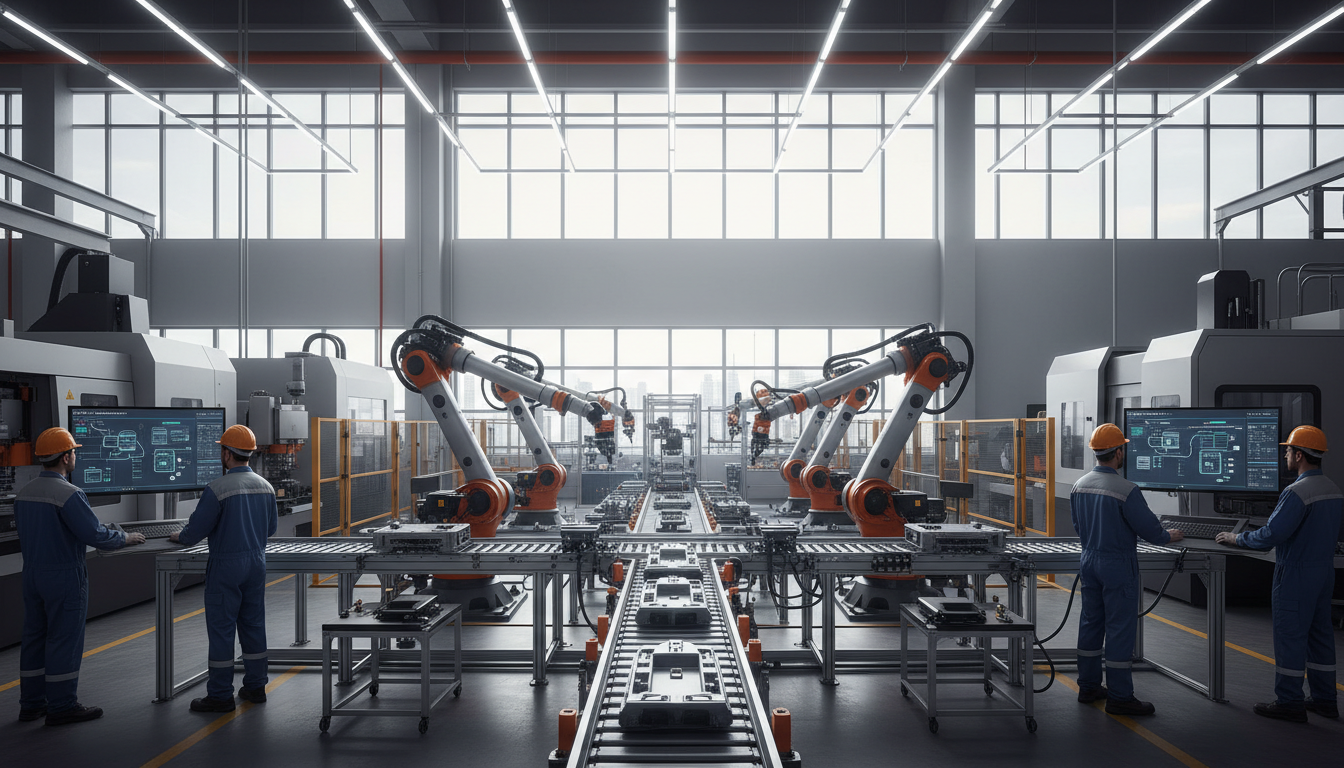
The implementation of IoT solutions in Hangzhou's factories is significantly boosting operational efficiency. By using sensors and connected devices, manufacturers can collect real-time data to monitor equipment performance and production processes. This data-driven approach allows for predictive maintenance, reducing downtime and extending the lifespan of machinery. Moreover, it enables seamless communication between devices, ensuring smoother workflow and reduced operational costs.
Predictive Maintenance
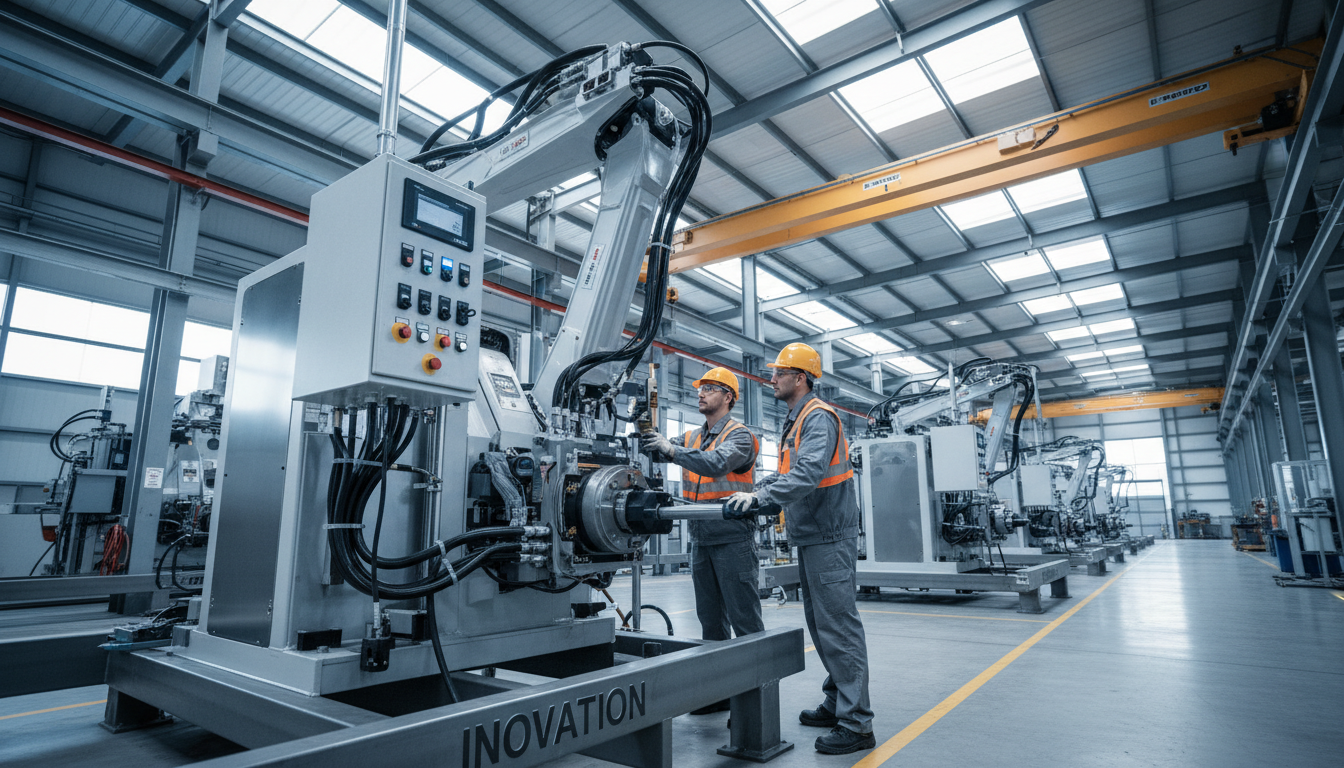
Predictive maintenance is a game-changer for factories, allowing them to foresee potential equipment failures before they occur. IoT sensors continuously monitor machine health, analyzing data to predict when maintenance is required. This proactive approach has proven to reduce unexpected breakdowns by up to 30%, saving both time and resources.
Improved Supply Chain Management
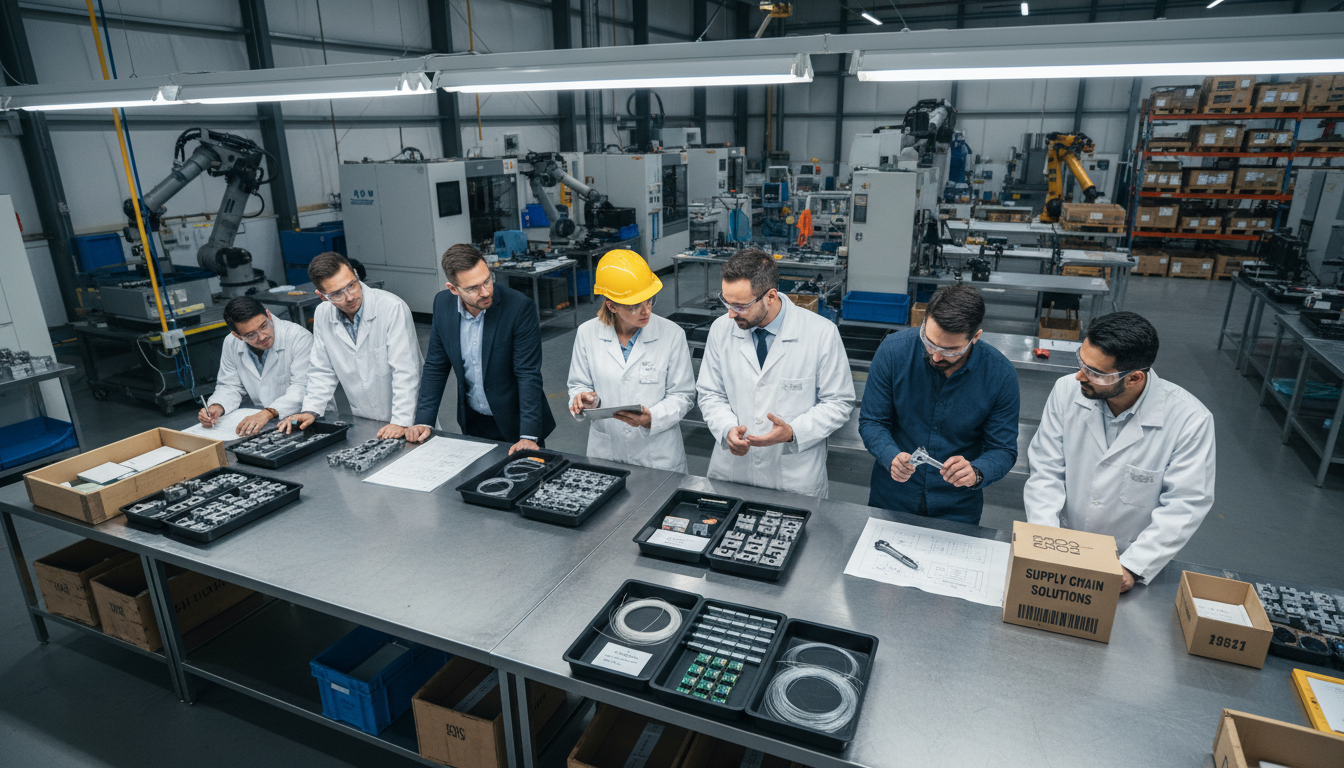
IoT solutions are revolutionizing supply chain management in Hangzhou's factories. By providing end-to-end visibility, IoT devices enable manufacturers to track materials and products throughout the supply chain. This transparency helps in optimizing inventory levels, reducing waste, and ensuring timely delivery of products.
Real-Time Tracking and Automation
Real-time tracking of inventory and shipments ensures that manufacturers can respond swiftly to changes in demand. Automated systems driven by IoT can reorder supplies and adjust production schedules dynamically, streamlining the entire supply chain process. This level of automation is crucial for maintaining a competitive edge in the fast-paced manufacturing sector.
Sustainability and Environmental Impact
Integrating IoT solutions is not only about efficiency but also about sustainability. Hangzhou's factories are leveraging IoT to minimize their environmental footprint. By optimizing energy usage and reducing waste, IoT technology contributes to more sustainable manufacturing practices.
Energy Management
IoT-enabled energy management systems allow factories to monitor and control energy consumption in real-time. This leads to a significant reduction in energy costs and carbon emissions. Smart grids and energy-efficient machinery are part of this eco-friendly approach, aligning with global sustainability goals.
Conclusion
Hangzhou's embrace of IoT solutions is transforming its manufacturing landscape, making it a model for future factories worldwide. The integration of smart technologies is enhancing efficiency, improving supply chain management, and promoting sustainability. As the city continues to innovate, it sets a precedent for others seeking to modernize their industrial operations.