How IoT is Revolutionizing Hangzhou's Manufacturing Sector


Introduction to IoT in Hangzhou's Manufacturing
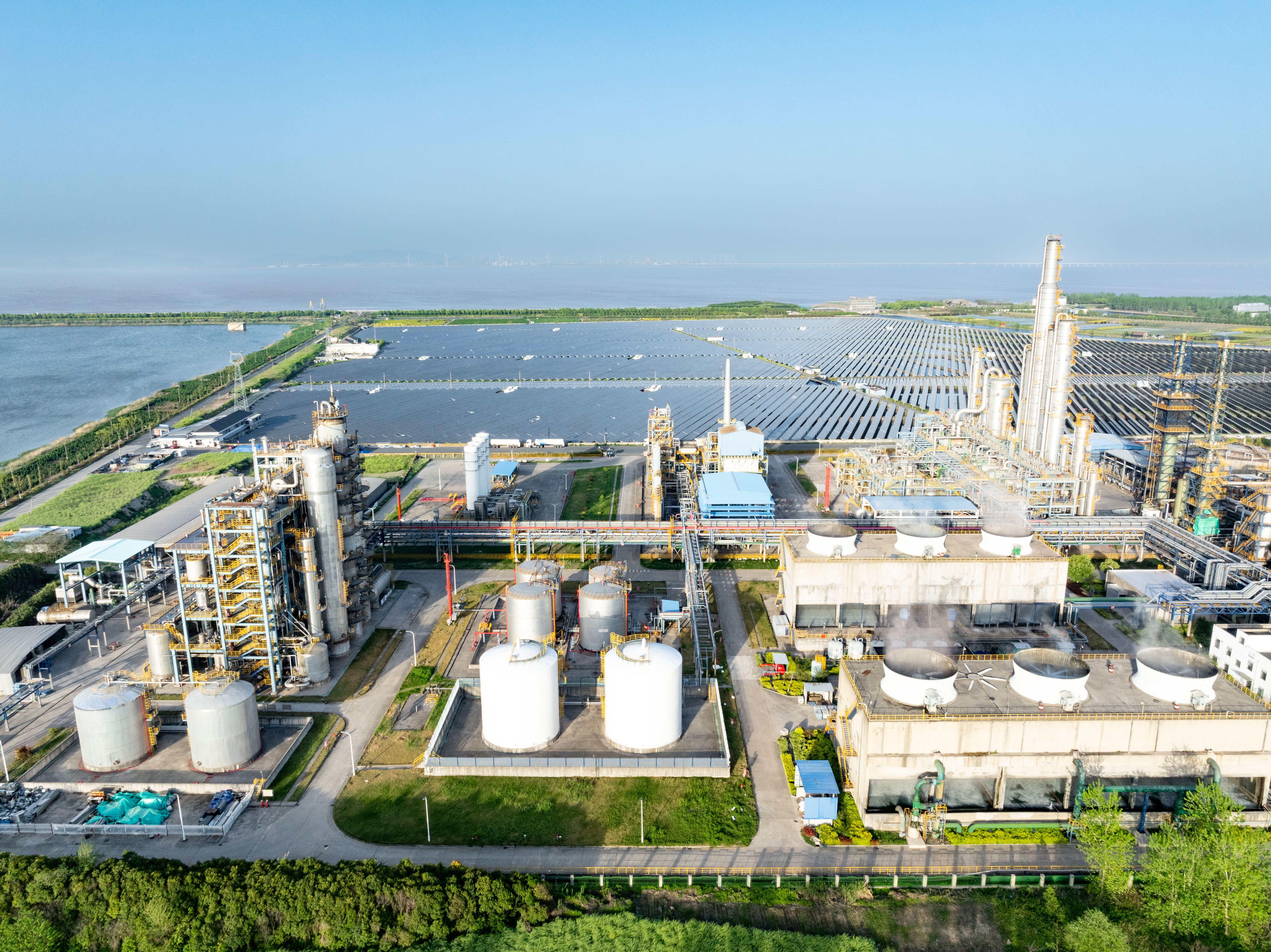
Hangzhou, a city known for its rich history and scenic beauty, is also emerging as a powerhouse in the manufacturing sector thanks to the integration of the Internet of Things (IoT). As industries strive for greater efficiency and innovation, IoT is playing a pivotal role in transforming traditional manufacturing processes.
IoT technology is enabling manufacturers in Hangzhou to enhance productivity, reduce operational costs, and improve product quality. By connecting machines, sensors, and systems, manufacturers are gaining real-time insights that drive smarter decision-making.
Enhancing Operational Efficiency
One of the most significant impacts of IoT in Hangzhou's manufacturing sector is the enhancement of operational efficiency. By implementing IoT solutions, manufacturers can monitor equipment performance in real time. This allows for predictive maintenance, reducing downtime and extending the lifespan of machinery.
Moreover, IoT facilitates seamless communication between various processes, ensuring that production lines are optimized and resources are utilized effectively. This level of connectivity helps in minimizing waste and maximizing output, leading to sustainable manufacturing practices.

Improving Product Quality
IoT is not only about efficiency; it also plays a crucial role in improving product quality. In Hangzhou, manufacturers are employing IoT sensors to monitor environmental conditions and ensure that products meet stringent quality standards. This continuous monitoring helps in identifying defects early in the production process, reducing the risk of recalls and enhancing customer satisfaction.
Furthermore, the data collected through IoT devices provides valuable insights into consumer preferences, enabling manufacturers to tailor products to meet market demands more effectively.
Cost Reduction and Resource Management
Cost reduction is another significant advantage of IoT in manufacturing. By automating routine tasks and optimizing energy usage, manufacturers can significantly cut down on operational expenses. IoT systems provide detailed analytics that help in identifying areas where energy consumption can be reduced without impacting production quality.
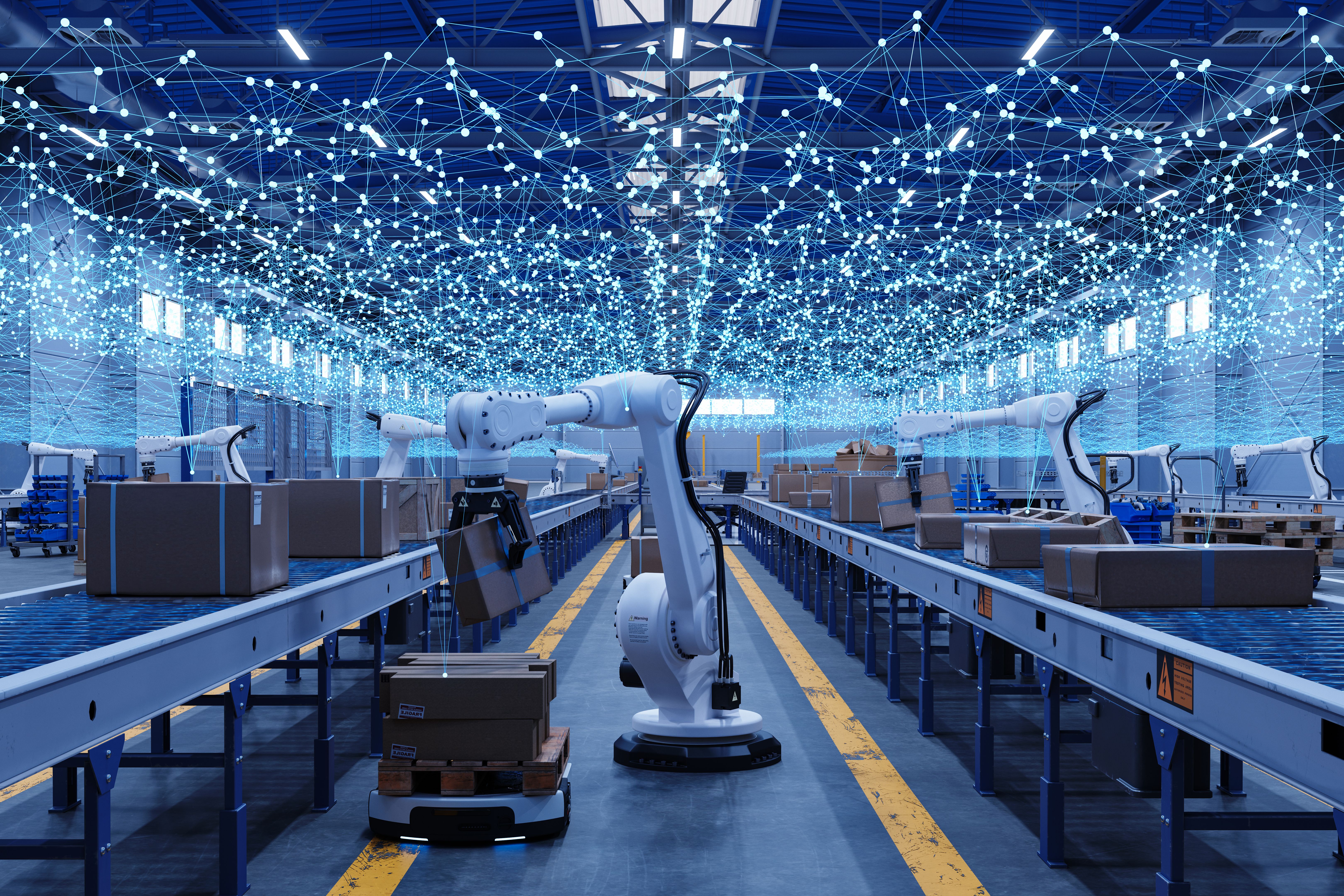
Additionally, IoT enables better resource management by tracking inventory levels in real time. This ensures that manufacturers maintain optimal stock levels, reducing the costs associated with overproduction and storage.
Conclusion: The Future of IoT in Hangzhou
As IoT continues to revolutionize Hangzhou's manufacturing sector, the city is poised to become a leader in smart manufacturing. The integration of IoT is not just about technology adoption; it represents a strategic shift towards more innovative, efficient, and sustainable manufacturing practices.
With continued investment in IoT technology and infrastructure, Hangzhou's manufacturers are well-positioned to compete on a global scale, setting new standards in the industry.