How Intelligent Agents Are Transforming the Future Factory


The Rise of Intelligent Agents
In recent years, the concept of a "smart factory" has gained significant traction, driven primarily by the integration of intelligent agents. These agents, powered by artificial intelligence and machine learning, are revolutionizing the manufacturing landscape by enhancing efficiency, reducing costs, and enabling greater customization.
Intelligent agents operate at the core of the Industrial Internet of Things (IIoT). They are designed to perform tasks autonomously, adapting to changing conditions in real-time. This adaptability is crucial in a factory setting, where conditions can vary widely.
Improving Efficiency and Productivity
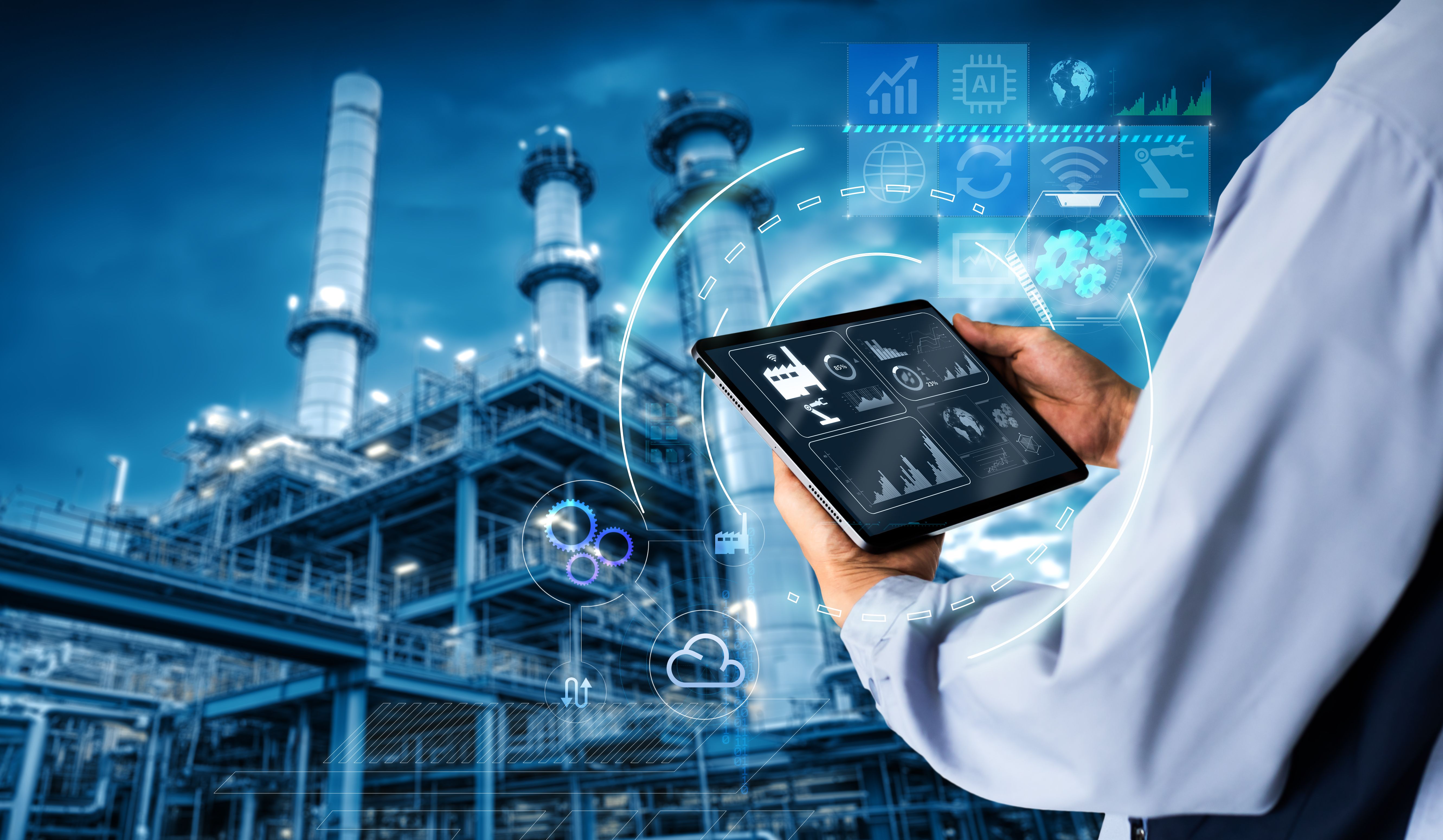
One of the primary benefits of intelligent agents in manufacturing is the significant boost in efficiency. By automating routine tasks, these agents free up human workers to focus on more complex and creative endeavors. This shift not only improves productivity but also enhances job satisfaction among employees.
Moreover, intelligent agents can analyze vast amounts of data at unprecedented speeds. This capability allows factories to optimize processes by identifying bottlenecks and implementing solutions swiftly. The result is a smoother, more efficient production line that can adapt to demand fluctuations.
Real-Time Monitoring and Maintenance
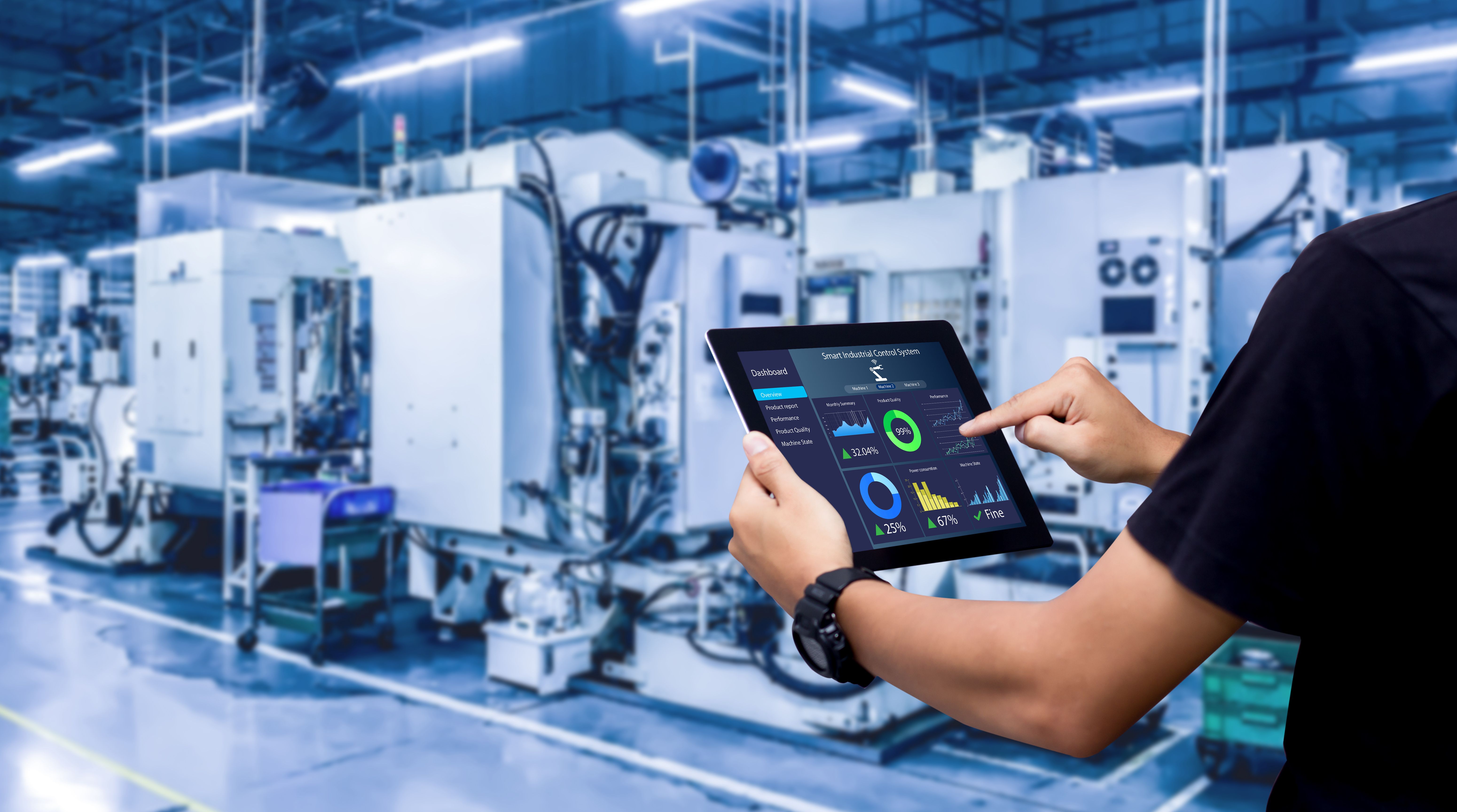
Intelligent agents play a crucial role in equipment monitoring and maintenance. By continuously analyzing machine performance, they can predict when a component is likely to fail, allowing for proactive maintenance. This predictive maintenance reduces downtime and extends the lifespan of machinery.
Enhancing Customization and Flexibility
Today's consumers demand products tailored to their specific needs, and intelligent agents facilitate this level of customization. By analyzing consumer data and trends, these agents can adjust production processes to create personalized products without significant delays or increased costs.
Furthermore, intelligent agents enable factories to be more flexible in their operations. They can quickly switch production lines to accommodate different products, making it easier for manufacturers to meet changing market demands.
Ensuring Quality Control
Quality control is another area where intelligent agents excel. They can detect defects and inconsistencies in real-time, ensuring that only products meeting strict quality standards reach the market. This capability not only enhances customer satisfaction but also reduces waste and costs associated with product recalls.

The Future of Intelligent Factories
As technology continues to evolve, the role of intelligent agents in manufacturing is set to expand further. Future factories will likely become even more autonomous, with intelligent agents handling everything from supply chain management to customer service.
The integration of advanced technologies such as augmented reality and blockchain will further enhance the capabilities of intelligent agents, ushering in a new era of manufacturing excellence.
Conclusion
Intelligent agents are transforming the future factory, paving the way for a more efficient, flexible, and customer-centric manufacturing environment. As these technologies continue to advance, they will undoubtedly play a pivotal role in shaping the factories of tomorrow.