How Hangzhou’s Smart Technologies Are Pioneering Digital Twins


Understanding Digital Twins
Digital twins are virtual replicas of physical entities, systems, or processes. By leveraging real-time data and advanced simulations, these digital models provide insights that help optimize performance, predict outcomes, and enhance decision-making. In Hangzhou, a city renowned for its technological advancements, digital twins are being integrated into various sectors, showcasing their transformative potential.
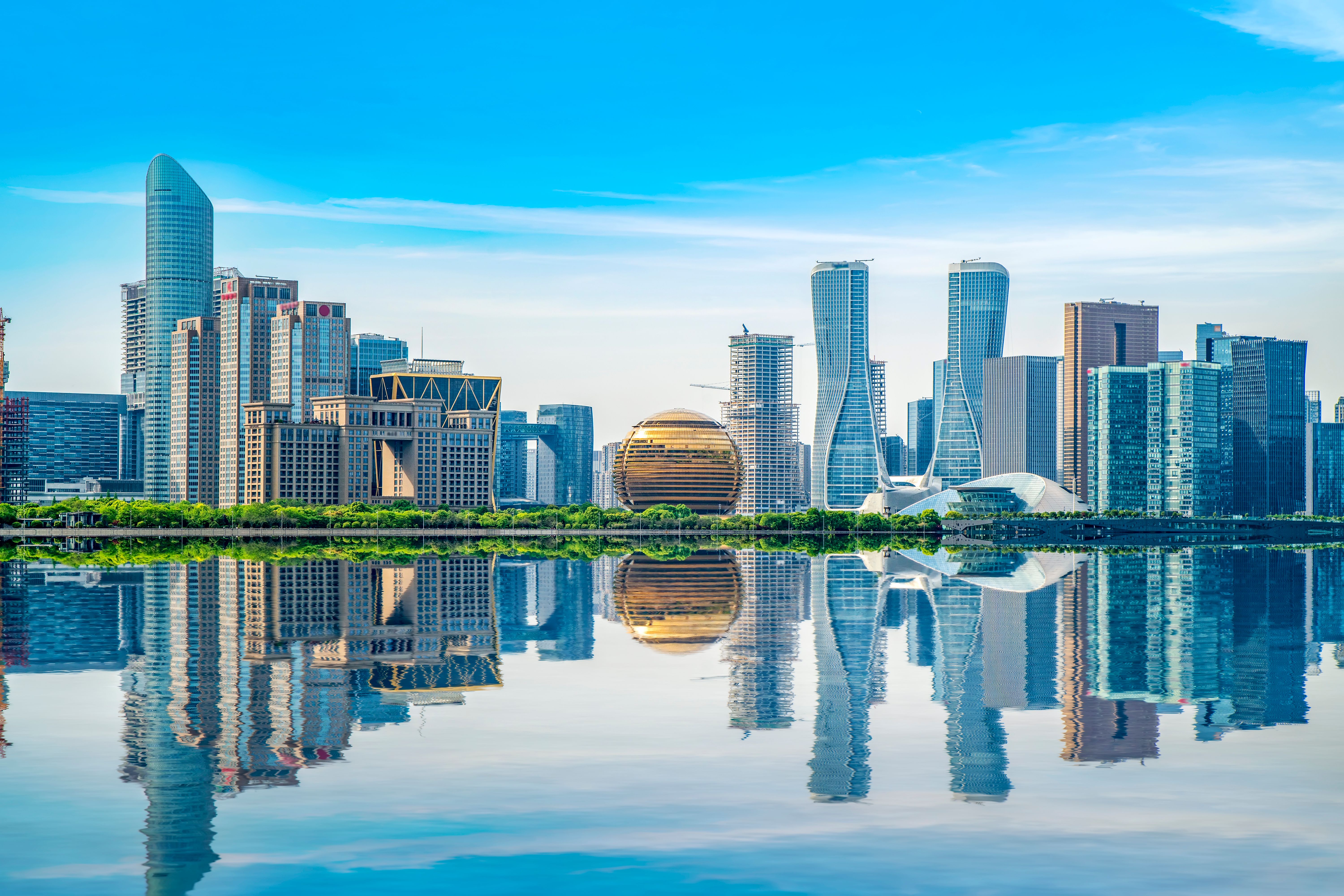
The Role of Smart Technologies in Hangzhou
Hangzhou's commitment to smart technologies has positioned it as a leader in the digital twin revolution. The city has implemented cutting-edge Internet of Things (IoT) systems, artificial intelligence (AI), and big data analytics. These technologies form the backbone of digital twin applications, enabling real-time monitoring and management of urban infrastructures.
One notable example is the integration of AI-driven traffic management systems. By creating digital twins of the city’s traffic networks, Hangzhou can optimize traffic flow, reduce congestion, and enhance public safety. This not only improves the daily commute but also contributes to a more sustainable urban environment.
Applications Across Industries
Beyond urban planning, digital twins in Hangzhou have found applications across various industries. In manufacturing, digital twins are used to streamline production processes, reduce downtime, and ensure quality control. By simulating production lines, manufacturers can identify potential issues before they occur, saving time and resources.

In healthcare, digital twins offer personalized patient care by simulating individual health profiles. This innovation allows for precise medical interventions, improving patient outcomes and reducing healthcare costs. Hangzhou's hospitals are at the forefront of adopting these technologies, setting a benchmark for others to follow.
Enhancing Environmental Sustainability
Hangzhou's focus on sustainability is evident in its use of digital twins to monitor environmental factors. These virtual models help track air quality, water resources, and energy consumption. By analyzing this data, the city can implement strategies to reduce pollution and promote sustainable resource management.
For instance, digital twins of water supply systems help in detecting leaks and optimizing distribution, ensuring efficient use of resources. This proactive approach is crucial in addressing the environmental challenges faced by rapidly growing urban areas.
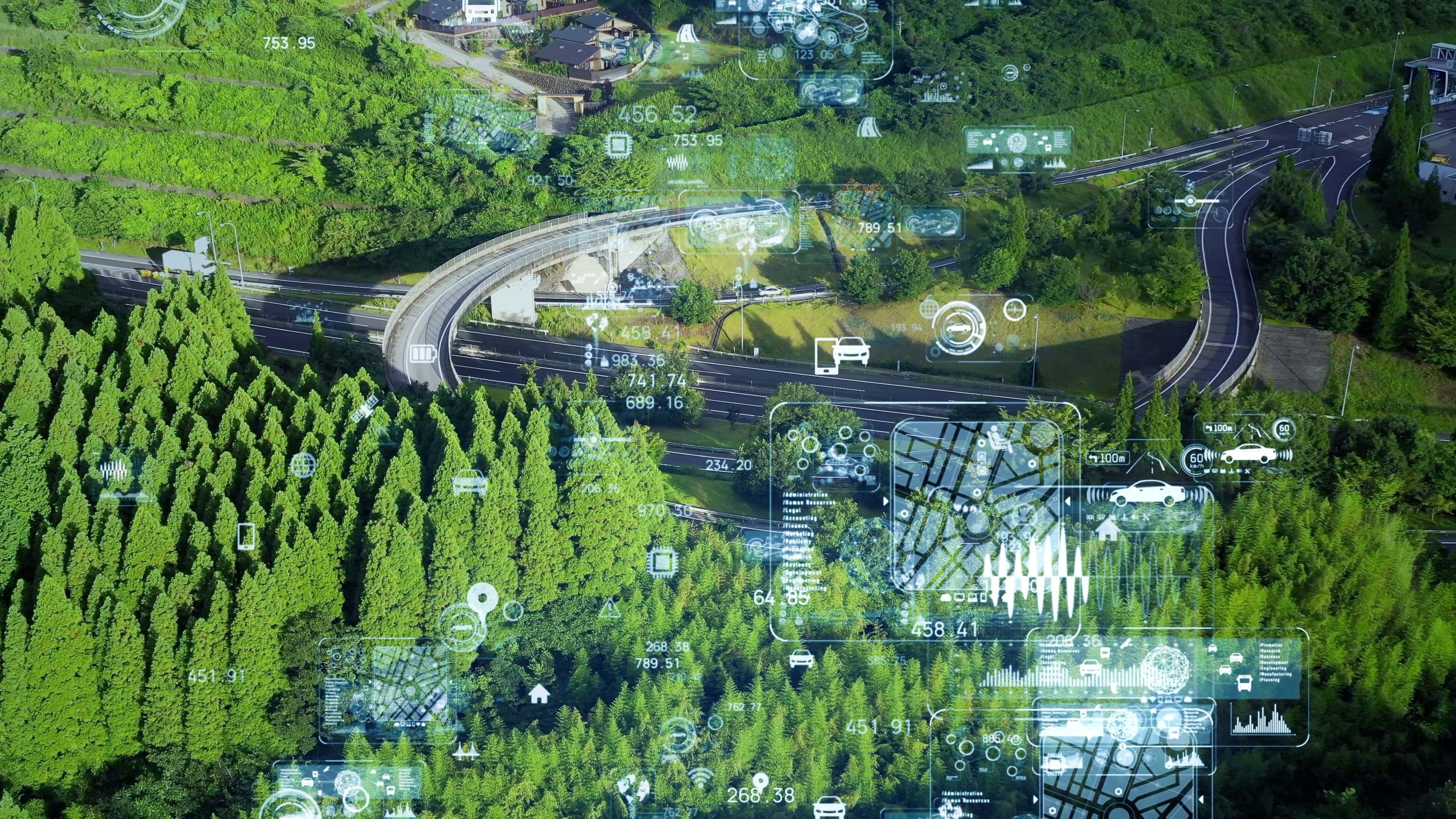
The Future of Digital Twins in Hangzhou
The future holds immense potential for digital twins in Hangzhou. As technological advancements continue, the integration of 5G networks will further enhance the capabilities of these virtual models. Faster data transmission and improved connectivity will enable more complex simulations and real-time updates.
Moreover, as more sectors begin to adopt digital twins, the collaboration between industries will lead to innovative solutions and smarter cities. Hangzhou's pioneering efforts serve as a blueprint for global cities aiming to leverage technology for urban development and sustainability.
Conclusion
Hangzhou's commitment to smart technologies and digital twins is paving the way for a future where cities are more efficient, sustainable, and resilient. By harnessing the power of these innovations, Hangzhou is not only improving the quality of life for its residents but also setting a global standard for urban development in the digital age.