How Hangzhou is Leading the Future of Smart Factories


In recent years, Hangzhou has emerged as a beacon of innovation, particularly in the realm of smart factories. With its blend of technological advancement and strategic planning, Hangzhou is setting the pace for the future of manufacturing.
What Makes Hangzhou a Leader in Smart Factories?
Hangzhou's success in leading the smart factory revolution can be attributed to several key factors. Firstly, it boasts a robust infrastructure that supports high-speed internet and advanced technology. This infrastructure is crucial for the implementation of IoT and AI technologies, which are the backbone of smart manufacturing.
Moreover, Hangzhou is home to numerous tech giants that continuously push the boundaries of innovation. Companies like Alibaba are not only pioneers in e-commerce but also in developing technologies that can be applied to smart factories.

The Role of Government and Policy
The local government in Hangzhou plays a pivotal role in fostering an environment conducive to smart factory development. Through supportive policies and incentives, the government encourages both domestic and foreign investments in technology and manufacturing sectors.
In addition to financial incentives, the government also invests heavily in research and development, ensuring that Hangzhou remains at the forefront of technological innovation. This commitment to R&D has resulted in a steady flow of new technologies and processes that enhance manufacturing efficiency.
Key Technologies Driving Hangzhou's Smart Factories
Several cutting-edge technologies are driving the transformation of Hangzhou's manufacturing landscape. Here are some of the most prominent ones:
- Internet of Things (IoT): IoT devices and sensors are used extensively to monitor and optimize production processes.
- Artificial Intelligence (AI): AI is leveraged for predictive maintenance, quality control, and optimizing supply chains.
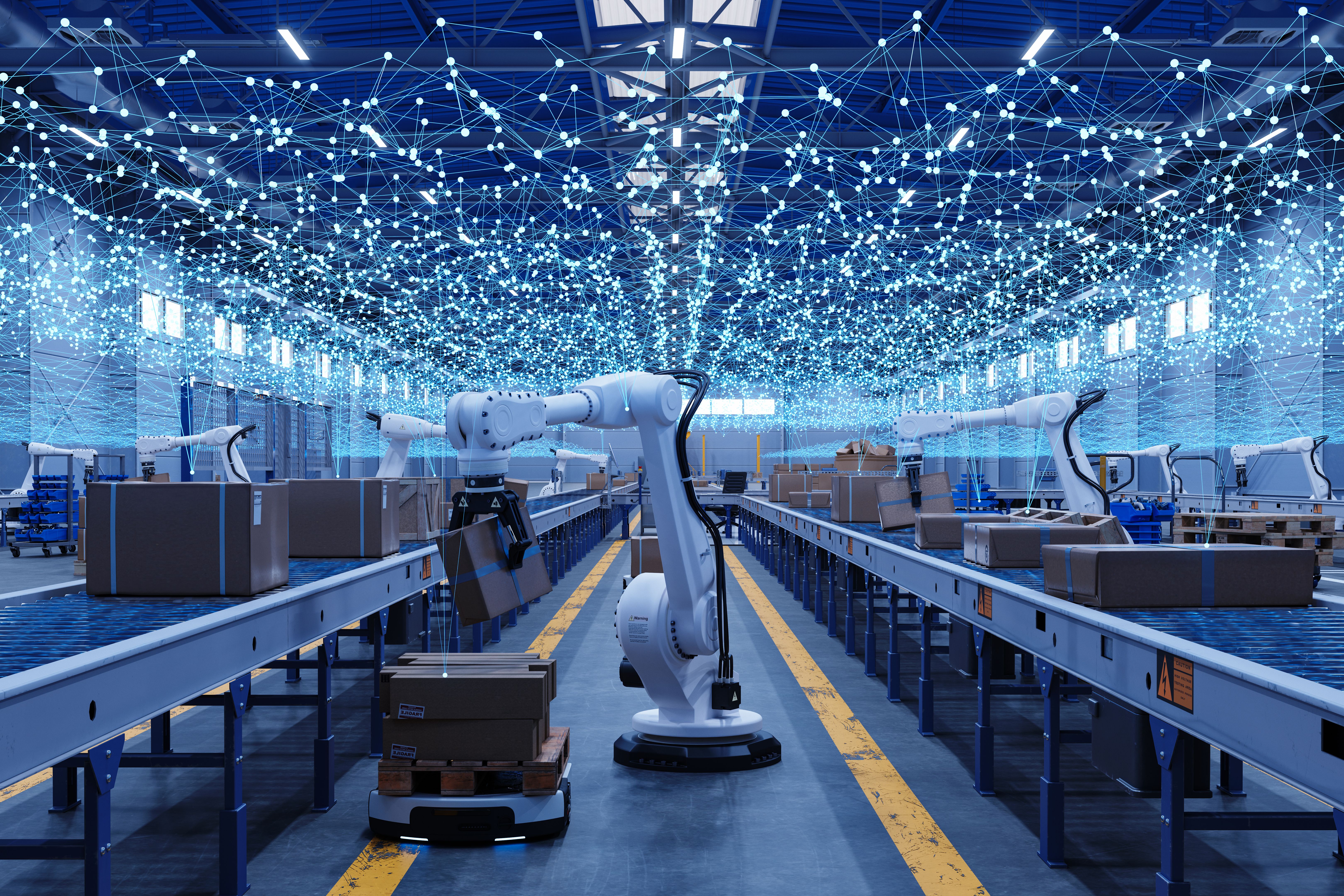
- Robotics: Advanced robotics streamline manufacturing, improve precision, and reduce human error.
Challenges and Opportunities
While the benefits of smart factories are substantial, they also come with their own set of challenges. The integration of new technologies requires a skilled workforce, which means that there is a growing demand for training and education in tech-related fields.
Furthermore, companies must navigate the complexities of cybersecurity to protect sensitive manufacturing data. Despite these challenges, the opportunities for growth and efficiency make the transition to smart factories an attractive proposition for businesses.
The Future of Manufacturing in Hangzhou
Looking ahead, Hangzhou is poised to continue its leadership in smart manufacturing. The city's commitment to innovation and technology ensures that it will remain a hub for smart factories for years to come.
Hangzhou's success story in smart manufacturing sets an example for other cities around the world, demonstrating how strategic investments in technology and infrastructure can lead to significant advancements in the manufacturing industry.

As Hangzhou continues to pioneer the future of smart factories, it not only enhances its own economic landscape but also contributes to the global evolution of manufacturing.