How Artificial Intelligence is Transforming Future Factories in Hangzhou


The Rise of Smart Factories in Hangzhou
Hangzhou, a city known for its rich history and technological advancements, is at the forefront of a manufacturing revolution. As industries strive for greater efficiency and productivity, **artificial intelligence (AI)** is becoming an integral part of this transformation. The concept of smart factories is no longer a distant dream but a reality shaping the future of manufacturing in this vibrant city.
Enhancing Efficiency with AI
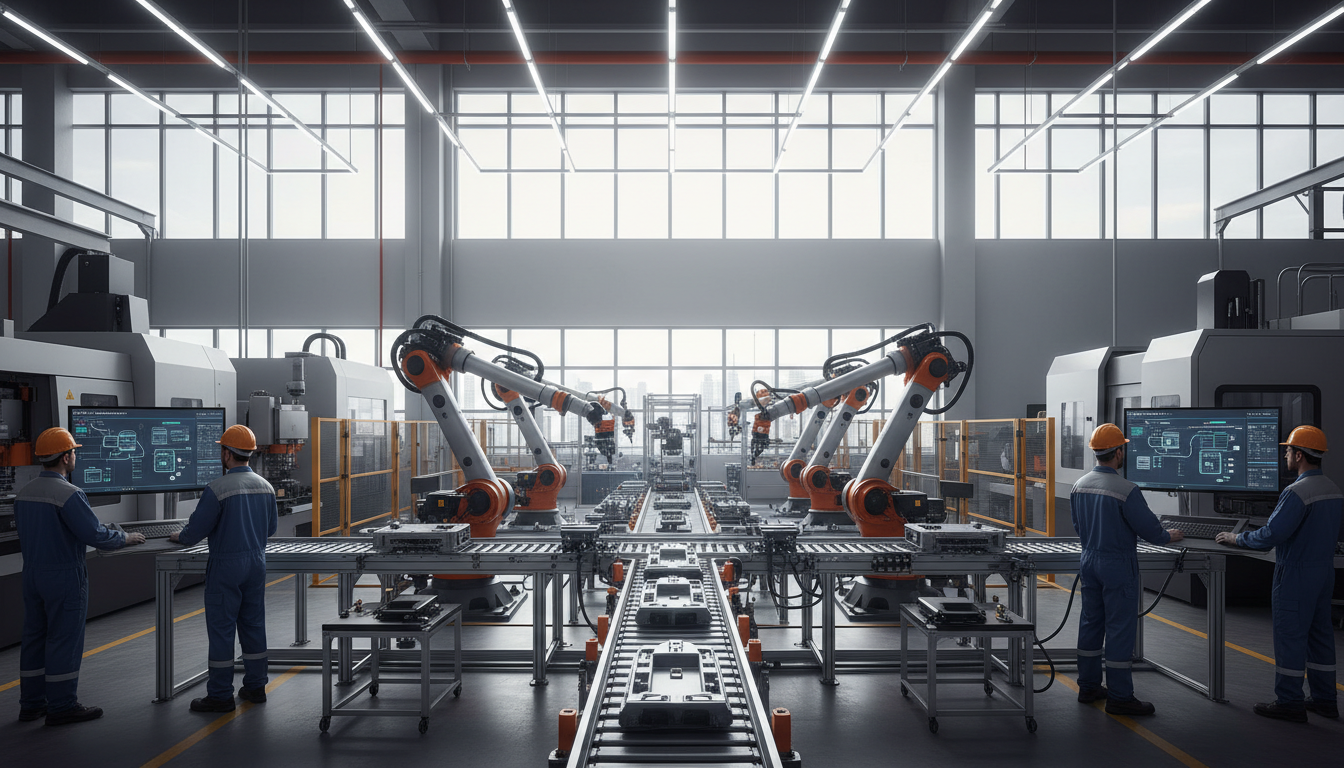
AI is revolutionizing how factories operate by automating routine tasks and optimizing complex processes. In Hangzhou, factories are leveraging AI to minimize downtime and maximize output. Predictive maintenance, powered by AI, allows machines to alert operators before a breakdown occurs, significantly reducing production delays.
Moreover, AI-driven analytics help manufacturers make data-informed decisions. By analyzing vast amounts of data in real time, AI systems can identify patterns and predict future trends, enabling factory managers to optimize inventory and streamline operations.
Improving Quality Control
Quality control is a critical aspect of manufacturing, and AI is enhancing this area by ensuring precision and consistency. In Hangzhou's factories, AI-powered vision systems inspect products at various stages of production, detecting defects that human eyes might miss. This leads to higher quality products and reduced waste.
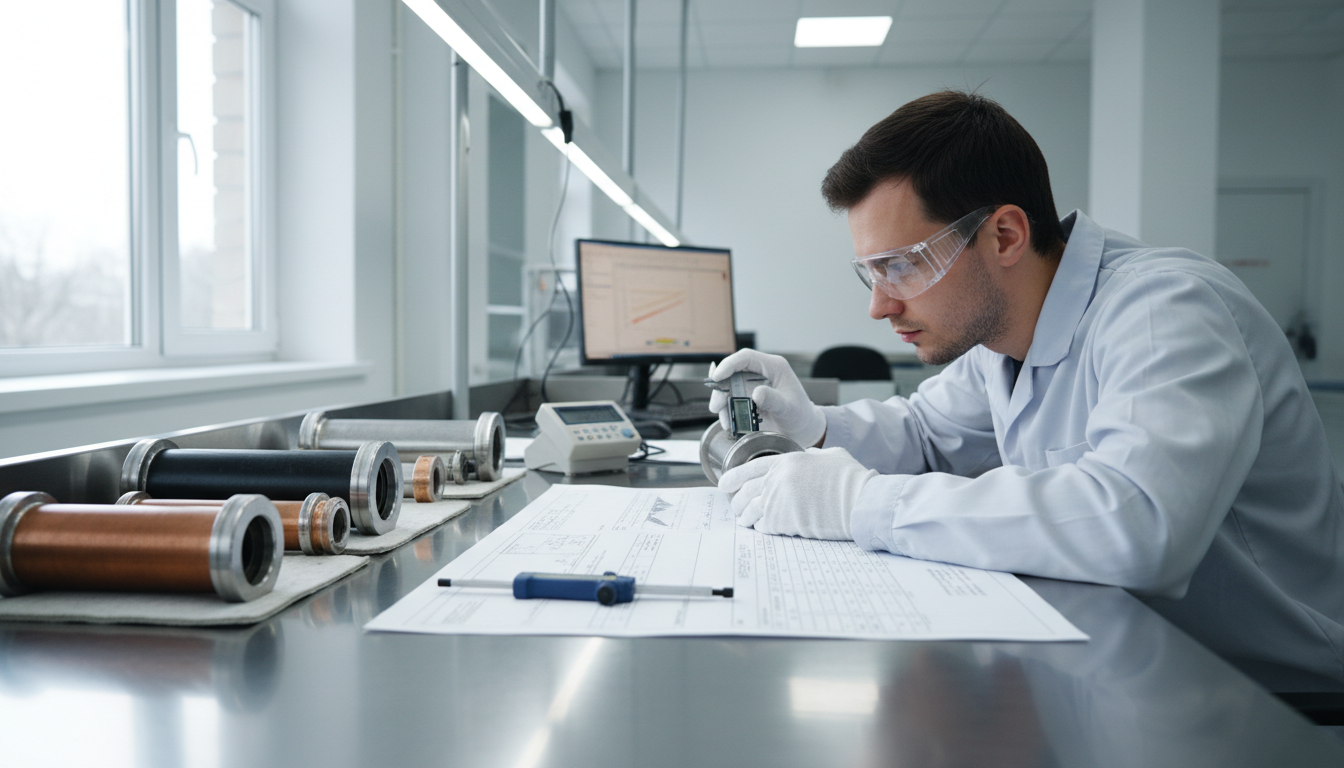
These intelligent systems can learn and adapt over time, improving their accuracy and efficiency. As a result, businesses can maintain high standards while reducing the resources needed for extensive manual inspections.
Collaborative Robots and Human Workforce
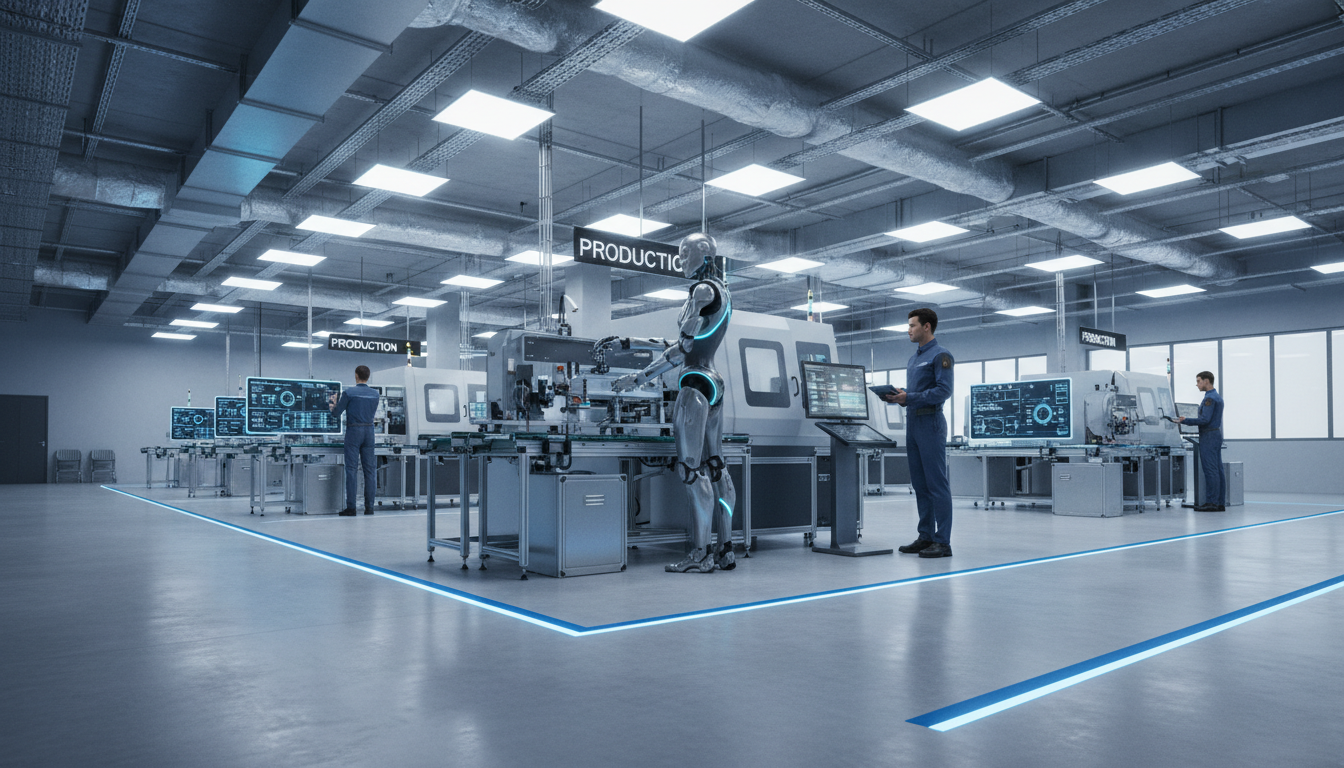
One of the most exciting developments in Hangzhou’s factories is the integration of collaborative robots, or cobots, which work alongside human employees. These AI-driven machines handle repetitive tasks, allowing human workers to focus on more complex and creative endeavors.
- Cobots enhance worker safety by taking over dangerous tasks.
- They increase productivity by operating continuously without fatigue.
- Training for cobots is user-friendly, enabling quick adaptation to different tasks.
Sustainability and Environmental Impact
AI is also playing a crucial role in making manufacturing more sustainable. In Hangzhou, factories use AI to monitor energy consumption and reduce waste, contributing to a smaller carbon footprint. AI systems optimize resource utilization and help manage supply chains more efficiently, leading to environmentally friendly practices.
By adopting AI technologies, factories are not only boosting their operational capabilities but also committing to a greener future, aligning with global sustainability goals.
The Future Landscape of Manufacturing in Hangzhou
As AI continues to evolve, the potential for further innovations in Hangzhou’s manufacturing sector is immense. Factories will become increasingly interconnected, with AI systems facilitating seamless communication between machines and human operators.
The city’s commitment to embracing new technologies ensures that it remains a leader in the global manufacturing landscape. With AI at the helm, Hangzhou's factories are set to become models of efficiency, quality, and sustainability.