How AI is Transforming Future Factories in Hangzhou


Revolutionizing Manufacturing with AI
Hangzhou, a city renowned for its technological innovation, is at the forefront of the industrial revolution powered by artificial intelligence (AI). The integration of AI into manufacturing processes is transforming traditional factories into smart, efficient, and highly automated production facilities.
AI technologies are enhancing the capabilities of factories in Hangzhou, enabling them to operate with remarkable precision and efficiency. This transformation is not just about automation but also involves a complete rethinking of how factories operate, from production lines to supply chain management.
Enhancing Operational Efficiency
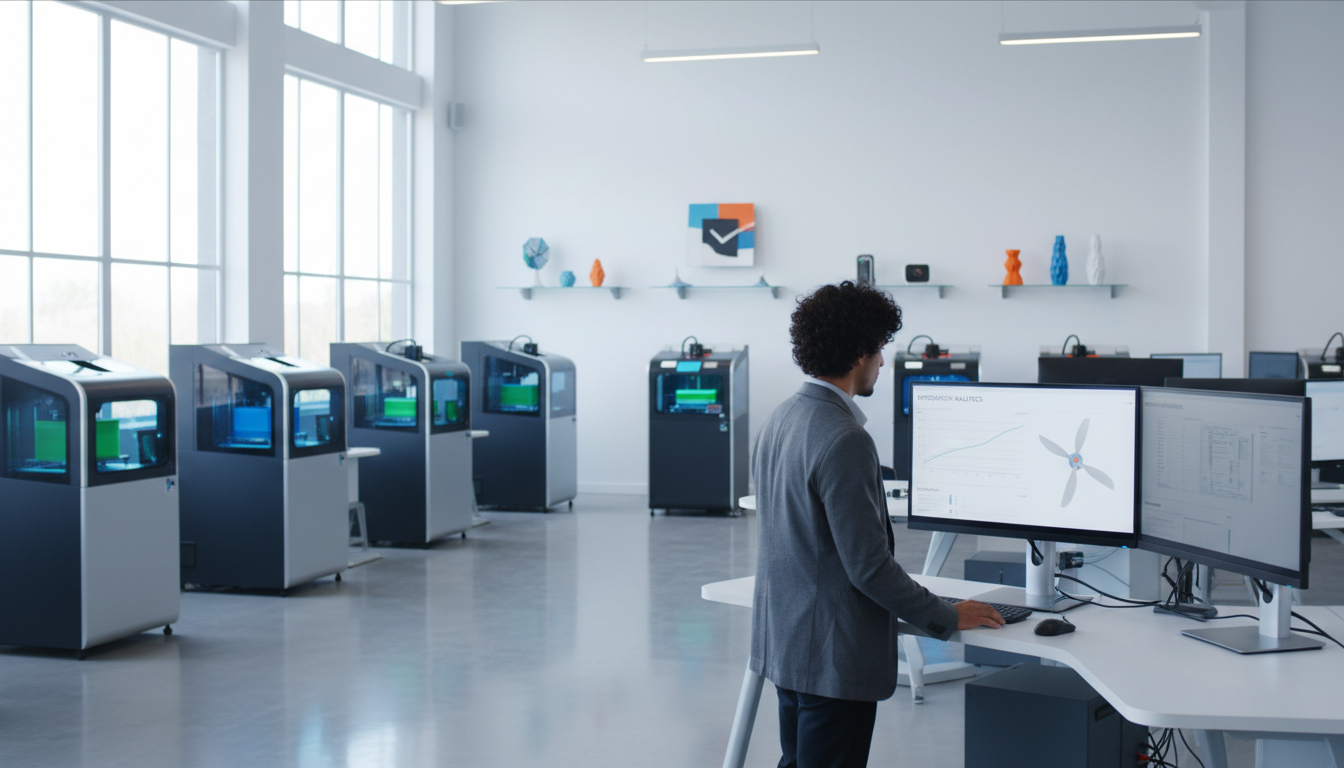
AI is fundamentally changing how factories in Hangzhou manage their operations. With AI-driven analytics, manufacturers can optimize production schedules and reduce downtime. Predictive maintenance systems, powered by AI, can foresee equipment failures before they occur, saving time and costs.
Moreover, AI algorithms are being used to analyze vast amounts of data collected from various sensors throughout the factory floor. This data helps in making real-time decisions, improving process efficiency, and reducing waste. The result is a more streamlined and efficient production process that can quickly adapt to changing demands.
Improving Product Quality
In addition to operational efficiency, AI is playing a critical role in enhancing product quality. Machine learning models can detect defects with higher accuracy than human inspectors, ensuring that only products meeting the highest standards reach consumers.
AI systems can also provide insights into the root causes of quality issues, enabling manufacturers to implement corrective actions promptly. This not only improves the quality of the products but also boosts customer satisfaction and brand reputation.
Optimizing Supply Chain Management
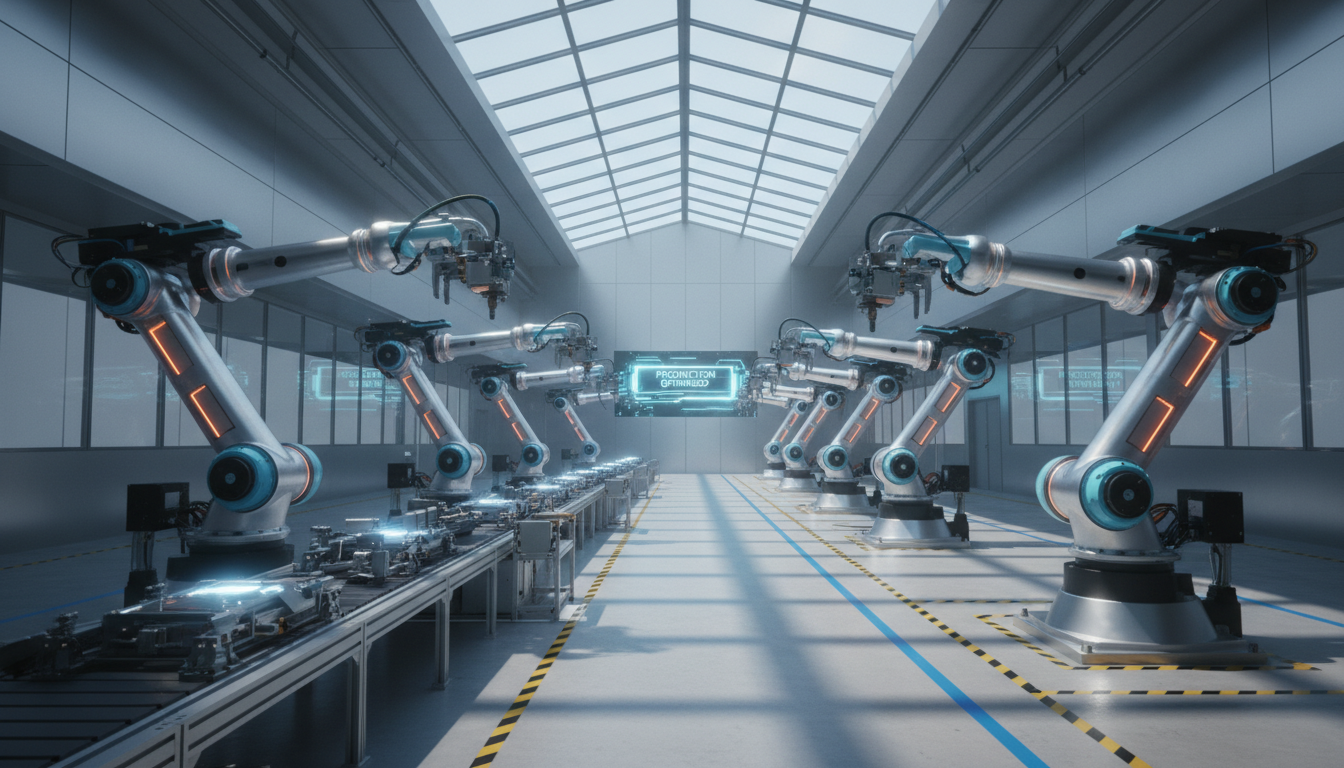
The impact of AI extends beyond the factory floor into the supply chain. In Hangzhou, AI is being used to forecast demand more accurately, manage inventory levels, and optimize logistics. These improvements lead to cost savings and faster delivery times.
AI-powered supply chain solutions can analyze data from multiple sources to predict potential disruptions and suggest alternative strategies. This level of insight allows manufacturers to maintain a competitive edge in the global market.
Fostering Innovation and Collaboration
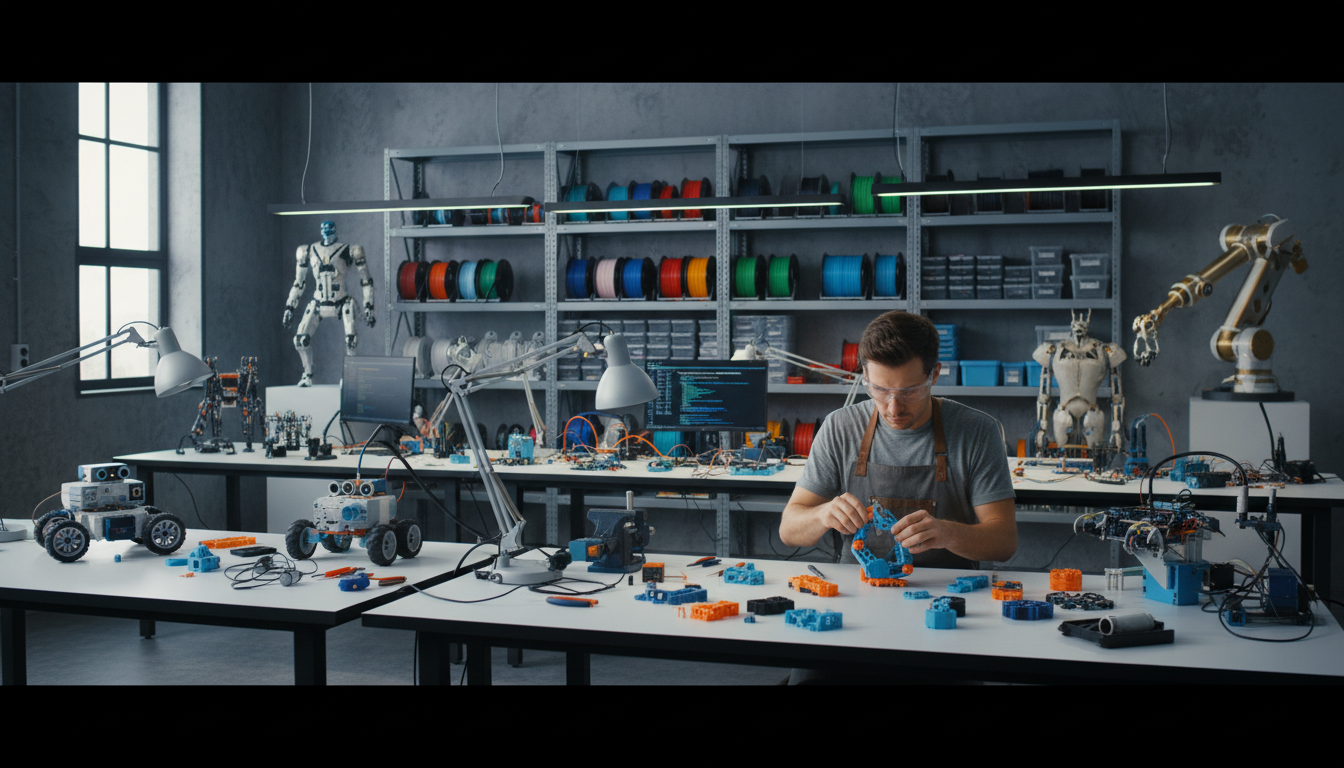
The adoption of AI in Hangzhou's factories is also fostering a culture of innovation and collaboration. By leveraging AI, companies are able to develop new products and processes that were previously unimaginable.
Furthermore, collaboration between AI developers and manufacturing experts is leading to the creation of customized AI solutions that are tailored to the specific needs of individual factories. This synergy is driving the industry forward and setting new benchmarks for what is possible in manufacturing.
Challenges and Future Prospects
While the benefits of AI in manufacturing are clear, there are also challenges that need to be addressed. Issues such as data privacy, cybersecurity, and the need for skilled personnel to manage AI systems are critical considerations.
Despite these challenges, the future of AI in Hangzhou’s factories looks promising. With ongoing advancements in AI technology and increasing investments in smart manufacturing, Hangzhou is set to remain a leader in industrial innovation.
As factories continue to evolve, the integration of AI will undoubtedly play a crucial role in shaping the future of manufacturing, not only in Hangzhou but around the world.