How AI is Revolutionizing the Future Factory in Hangzhou


Introduction to the Future Factory
In recent years, Hangzhou has emerged as a hub of technological advancement, particularly in the manufacturing sector. The integration of Artificial Intelligence (AI) into factories is revolutionizing the way production lines operate, turning traditional setups into sophisticated, efficient future factories.
AI-Driven Automation
AI is at the forefront of this transformation, driving automation to new heights. By incorporating machine learning algorithms, factories in Hangzhou can now optimize production processes, reduce waste, and increase overall efficiency. AI systems can analyze vast amounts of data in real-time, enabling swift decision-making and minimizing downtime.
Moreover, AI-powered robots are taking over repetitive and hazardous tasks, allowing human workers to focus on more complex and creative aspects of production. This shift not only enhances productivity but also improves workplace safety and job satisfaction.
Enhanced Quality Control
Quality control is a critical aspect of manufacturing, and AI is making significant strides in this area. In Hangzhou’s future factories, AI systems are employed to continuously monitor product quality, identifying defects with a level of precision that surpasses human capabilities. This ensures that only top-quality products leave the factory, reducing returns and boosting customer satisfaction.

Predictive Maintenance
AI is also revolutionizing equipment maintenance through predictive analytics. By analyzing data from machinery and equipment, AI can predict potential failures before they occur. This proactive approach allows factories to perform maintenance only when necessary, avoiding unexpected breakdowns and extending the lifespan of the equipment.
The result is a more reliable production process, with reduced downtime and maintenance costs. This predictive capability is essential for maintaining the competitive edge of Hangzhou’s manufacturing sector.
Supply Chain Optimization
The integration of AI extends beyond the factory floor, significantly impacting the supply chain. AI algorithms can forecast demand with remarkable accuracy, allowing factories to adjust production schedules and inventory levels accordingly. This leads to a more efficient supply chain, reducing waste and ensuring timely delivery of products.
Environmental Impact
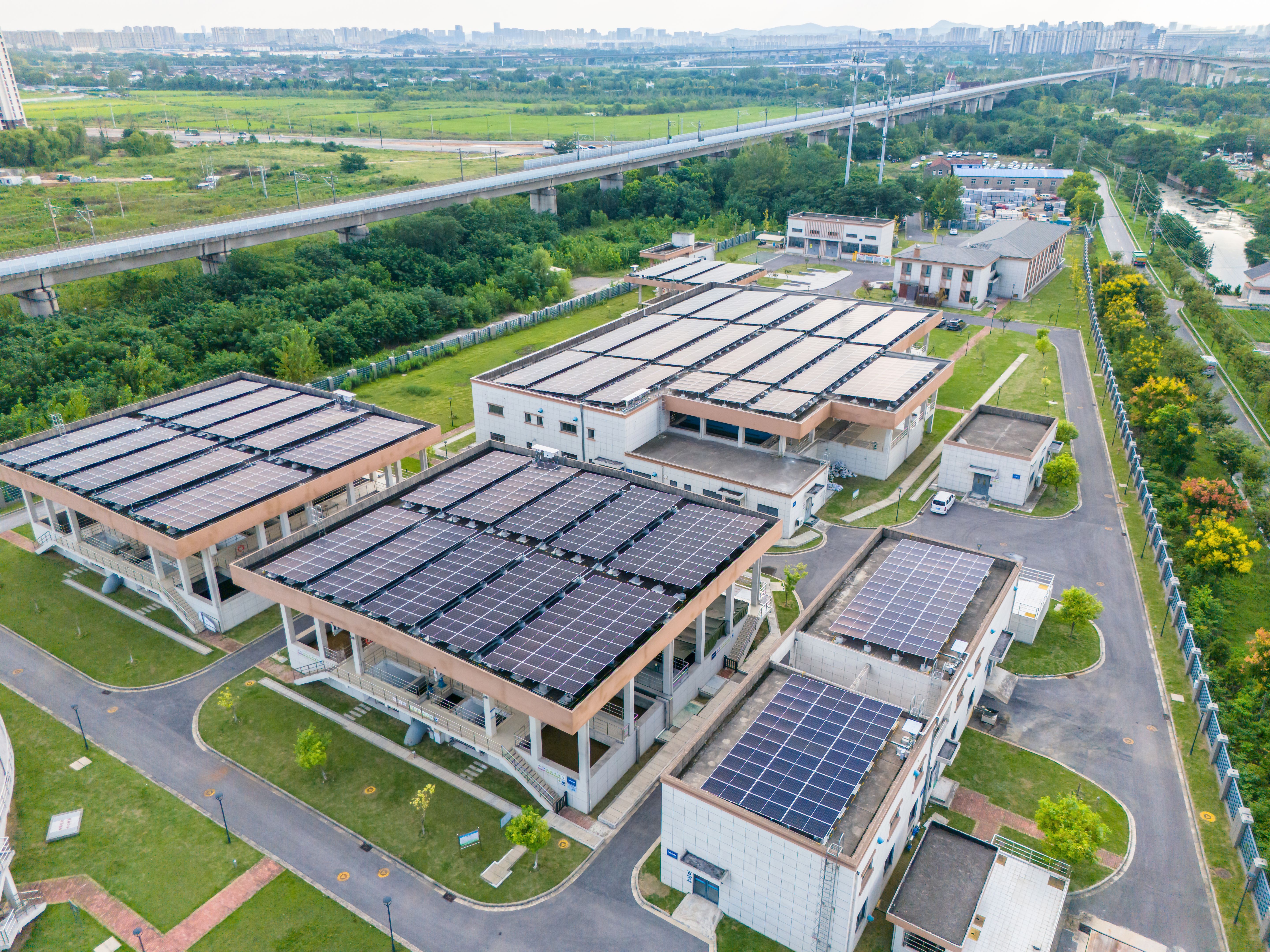
Sustainability is a growing concern worldwide, and Hangzhou's future factories are leveraging AI to minimize their environmental footprint. AI systems optimize energy usage, reduce emissions, and manage resources more efficiently. These efforts contribute to a greener manufacturing process, aligning with global sustainability goals.
By adopting AI-driven solutions, Hangzhou is setting a benchmark for environmentally conscious manufacturing practices, paving the way for a sustainable industrial future.
The Road Ahead
The future factory in Hangzhou is a testament to the transformative power of AI. As technology continues to evolve, these factories will become even more advanced, integrating the latest AI innovations to further enhance productivity, quality, and sustainability.
Hangzhou’s commitment to embracing AI in manufacturing is not just reshaping the local industry but is also influencing global manufacturing trends. The future factory is here, and it’s setting the stage for a new era of industrial excellence.