How AI and Robotics Are Shaping the Future of Inspections


The Rise of AI and Robotics in Inspections
In recent years, the integration of AI and robotics into inspection processes has revolutionized several industries. With advancements in technology, these tools are no longer futuristic concepts but present-day realities that are enhancing efficiency and accuracy.
Traditionally, inspections have been labor-intensive, time-consuming, and prone to human error. However, AI and robotics offer a new paradigm, streamlining processes while ensuring precision. This transformation is becoming increasingly critical across various sectors.
Enhanced Efficiency and Accuracy
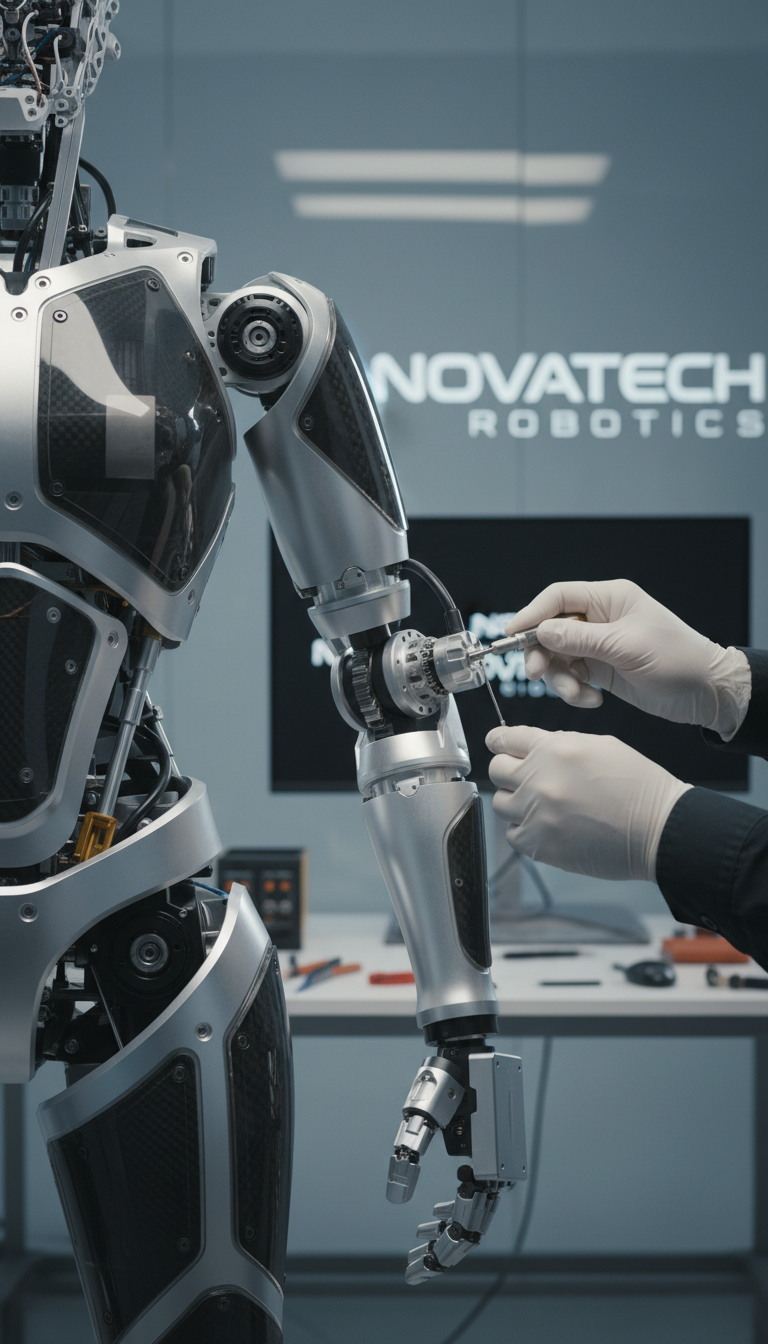
AI algorithms can process vast amounts of data quickly, identifying patterns and anomalies that might be missed by the human eye. For instance, in the construction industry, drones equipped with AI capabilities can survey large areas, analyzing structural integrity with remarkable speed and accuracy.
Similarly, in the manufacturing sector, AI-driven robots can perform inspections on assembly lines, detecting defects in real-time. This not only reduces downtime but also ensures higher quality products, ultimately leading to increased customer satisfaction.
Safety and Cost-Effectiveness
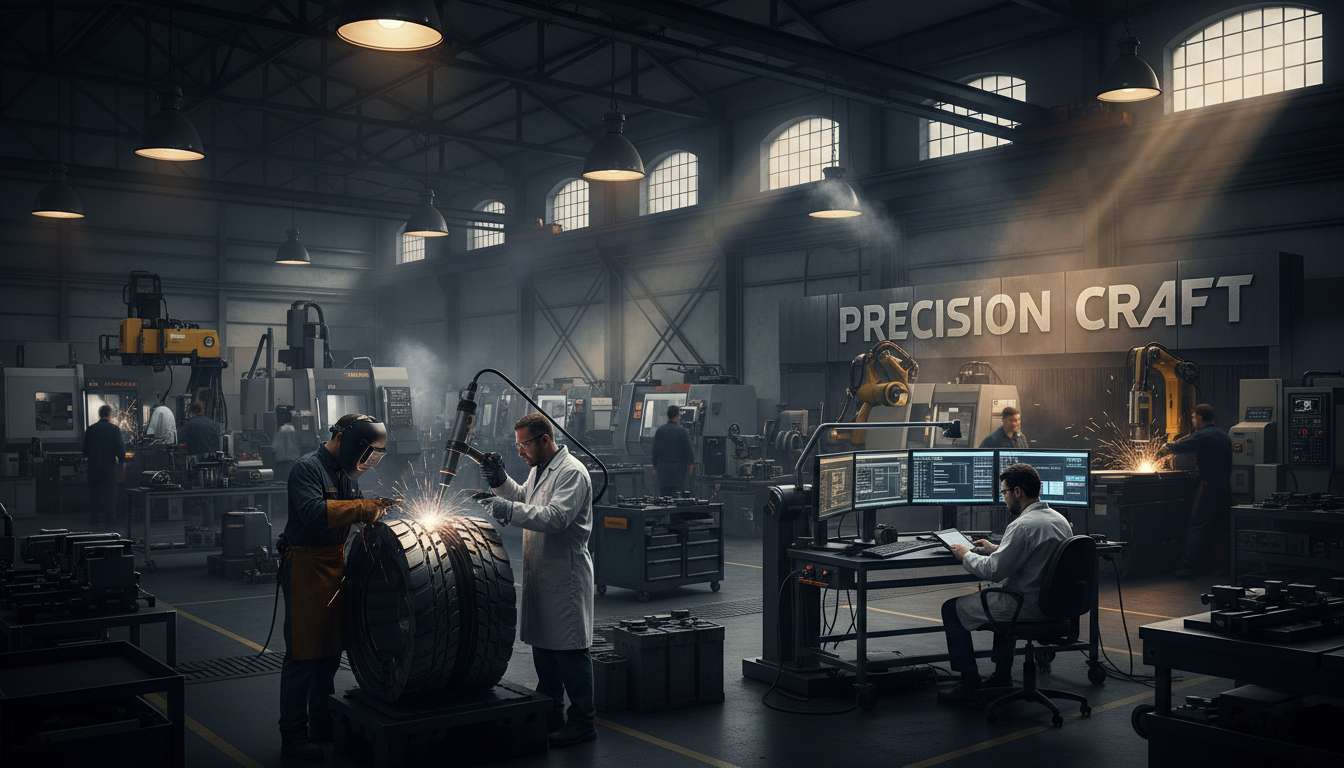
One of the most significant benefits of using robotics in inspections is the enhanced safety they provide. In industries like oil and gas, inspections often require working in hazardous environments. Robots can undertake these tasks, minimizing the risk to human workers.
Moreover, the use of AI and robotics can lead to significant cost savings. By reducing the need for human inspectors and improving the accuracy of inspections, companies can save on labor costs and avoid costly errors or accidents that might arise from overlooked issues.
Applications Across Various Sectors
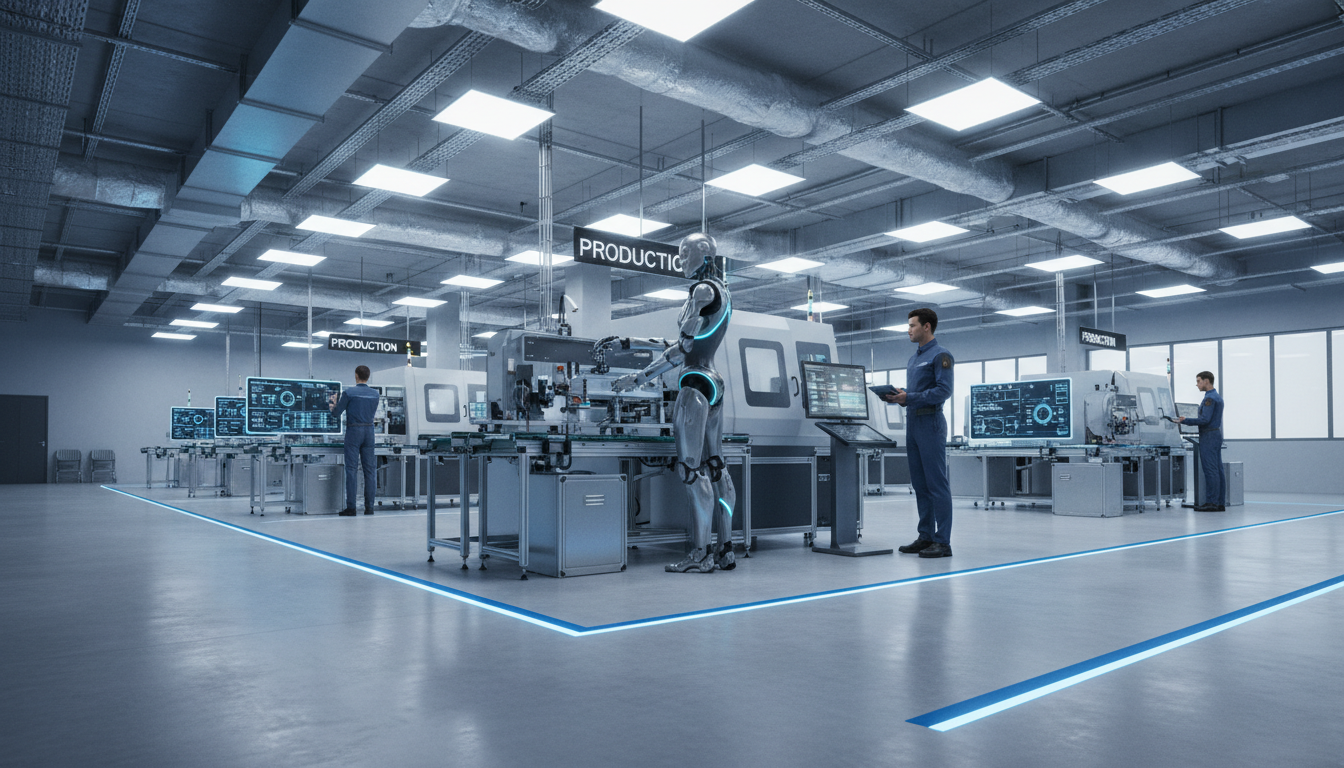
The applications of AI and robotics in inspections are vast and varied. In agriculture, drones can monitor crop health, providing farmers with valuable insights to optimize yield. In the transportation sector, AI systems can inspect railway tracks or airplane engines, ensuring safety and reliability.
Even in healthcare, robotics are playing a crucial role. AI-powered robots can perform inspections of medical equipment, ensuring they are functioning correctly and safely. This is critical in maintaining the quality of care provided to patients.

Challenges and Future Prospects
Despite the numerous advantages, the integration of AI and robotics in inspections is not without challenges. Concerns about job displacement and the initial costs of implementing these technologies are valid. However, the long-term benefits often outweigh these concerns.
Looking ahead, the future of inspections will likely see even more sophisticated AI systems and robotics. As technology continues to evolve, these tools will become increasingly accessible and adaptable, serving a wider range of industries and applications.
In conclusion, AI and robotics are not just shaping the future of inspections; they are redefining what is possible. By enhancing efficiency, safety, and cost-effectiveness, they are paving the way for smarter, more reliable inspection processes.