Harnessing Digital Twins for Smart Factory Optimization in Hangzhou


Understanding Digital Twins
The concept of digital twins has rapidly evolved, becoming a cornerstone in the realm of smart factory optimization. Essentially, a digital twin is a virtual replica of a physical entity, allowing for real-time simulation and analysis. In Hangzhou, the integration of digital twins is reshaping manufacturing processes, enabling companies to enhance efficiency and productivity.
By creating a digital counterpart of a factory, businesses can monitor operations, predict potential issues, and implement solutions without disrupting the physical environment. This predictive capability is invaluable, offering insights that were previously unattainable through traditional methods.
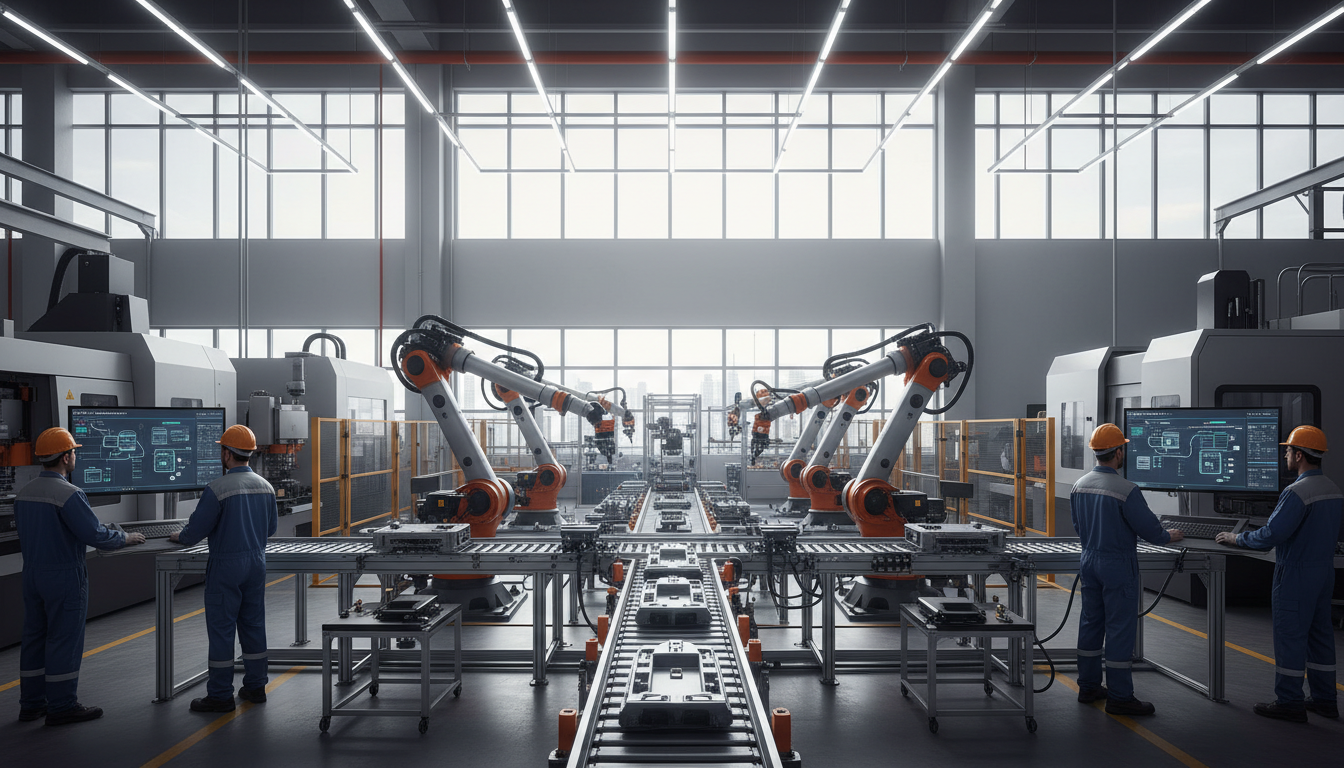
Benefits of Digital Twins in Manufacturing
The adoption of digital twins in Hangzhou’s factories brings numerous benefits. Firstly, they significantly reduce downtime by forecasting equipment failures and maintenance needs. This proactive approach minimizes disruptions and maintains smooth operations.
Moreover, digital twins allow for process optimization. By analyzing data in real-time, factories can identify bottlenecks and inefficiencies, adjusting workflows accordingly. This flexibility leads to improved resource management and cost savings.

Enhancing Decision-Making
Digital twins empower decision-makers with detailed insights, facilitating informed choices. The continuous flow of data from the digital twin provides a comprehensive overview of the factory’s performance, enabling strategic adjustments based on real-time analysis.
Challenges and Solutions
Despite their advantages, implementing digital twins in Hangzhou’s factories presents challenges. One significant hurdle is the integration with existing systems. Many manufacturing facilities operate with legacy systems that may not seamlessly align with digital twin technology.
To overcome this, companies are investing in scalable solutions that ensure compatibility and long-term viability. Collaborating with technology providers who specialize in digital twin integration is crucial for a smooth transition.

Data Security Concerns
Another challenge is data security. With the constant exchange of information, safeguarding sensitive data becomes paramount. Factories must implement robust cybersecurity measures to protect against potential threats and ensure the integrity of their digital twins.
The Future of Smart Factories in Hangzhou
The future of smart factories in Hangzhou looks promising as digital twin technology continues to evolve. As these virtual models become more sophisticated, they will enable even greater levels of precision and efficiency in manufacturing processes.
Ultimately, the widespread adoption of digital twins promises to transform Hangzhou into a hub of advanced manufacturing, setting a benchmark for innovation and productivity worldwide.