From Concept to Reality: The Impact of AI and Inspection Drones on Local Industries


The Rise of AI in Local Industries
The integration of Artificial Intelligence (AI) has transformed local industries by enhancing efficiency and accuracy. From automating routine tasks to providing valuable insights through data analysis, AI is reshaping how businesses operate. One of the key benefits of AI is its ability to process vast amounts of data quickly, allowing companies to make informed decisions.
Industries such as manufacturing, healthcare, and logistics are leveraging AI to streamline operations. For example, predictive maintenance powered by AI algorithms helps reduce downtime by identifying potential equipment failures before they occur.

Inspection Drones: A New Era of Monitoring
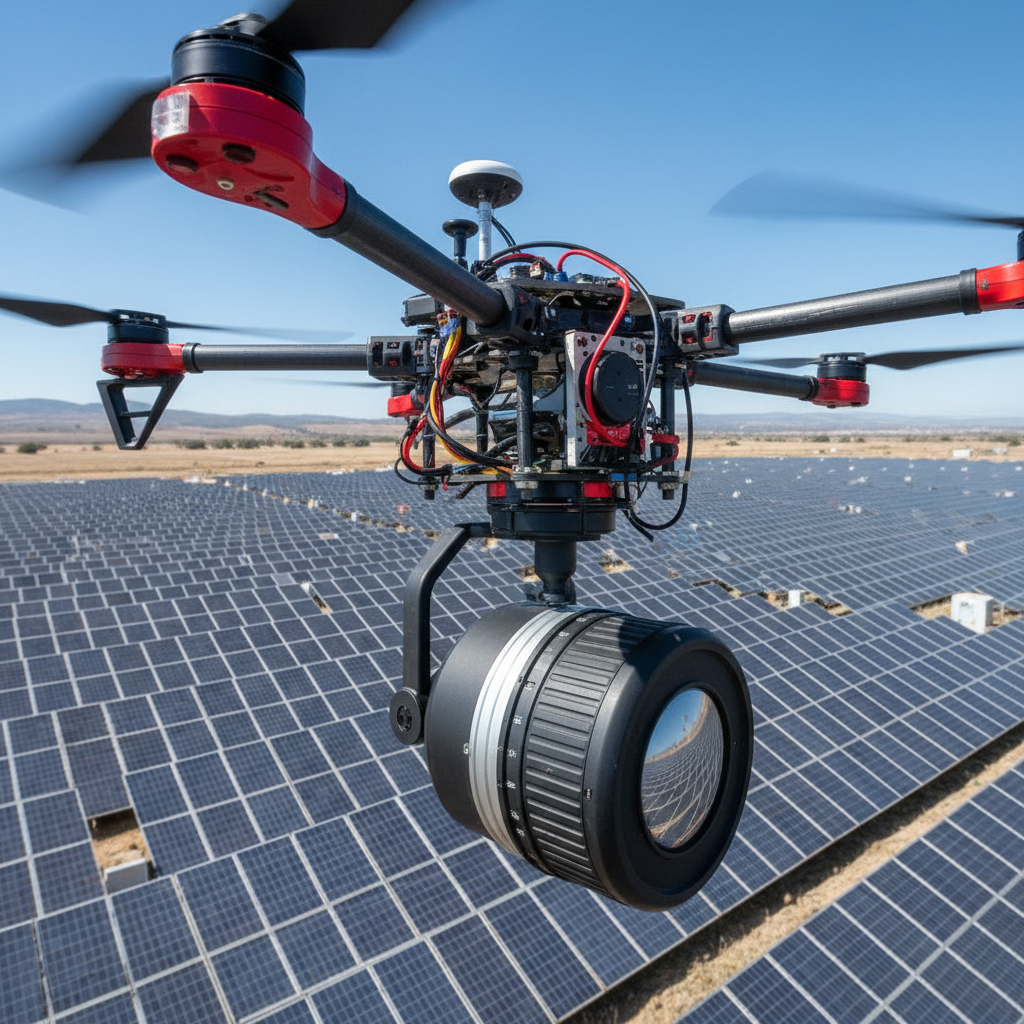
Inspection drones have become indispensable tools for industries that require regular and thorough inspections. These drones can access hard-to-reach areas, providing high-resolution images and data without the need for human intervention. This not only reduces risks but also significantly cuts costs associated with traditional inspection methods.
Industries such as construction, agriculture, and energy are reaping the benefits of drone technology. For instance, in agriculture, drones are used to monitor crop health and optimize resource allocation, leading to increased yields and sustainable practices.
Combining AI and Drones: A Powerful Duo
When AI is combined with drone technology, the possibilities expand exponentially. AI-powered drones can process data in real-time, offering actionable insights that enhance decision-making processes. This combination is particularly valuable in sectors such as disaster management, where quick and accurate information is crucial.
For example, AI-driven drones can assess damage after natural disasters, helping emergency services prioritize their response efforts. This technology improves the speed and efficiency of rescue operations, ultimately saving lives.

Impact on the Workforce
While AI and drones automate various tasks, there is a growing concern about their impact on the workforce. However, rather than replacing jobs, these technologies often create new opportunities. Workers can focus on more complex and creative tasks, while AI and drones handle routine activities.
Training and upskilling programs are essential to equip the workforce with the necessary skills to thrive in this evolving landscape. Embracing these changes can lead to increased productivity and job satisfaction.
Environmental Benefits
The use of AI and drones also brings environmental advantages. By optimizing resource use and reducing waste, these technologies contribute to more sustainable practices. In agriculture, drones help monitor water usage and pesticide application, minimizing environmental impact.
Furthermore, AI systems can analyze energy consumption patterns, suggesting ways to reduce carbon footprints, thus supporting global sustainability goals.
Challenges and Considerations
Despite the benefits, the adoption of AI and drones comes with challenges. Privacy concerns, regulatory hurdles, and the need for robust cybersecurity measures are critical considerations. Industries must address these issues to ensure the safe and ethical use of technology.
Collaborative efforts between governments, businesses, and communities are essential to create a framework that fosters innovation while protecting public interests.
The Future Outlook
The future of AI and drones in local industries looks promising. As technology advances, we can expect even greater integration and innovation. Continuous research and development will likely lead to new applications and improved functionalities.
Industries that embrace these technologies will not only enhance their operational capabilities but also gain a competitive edge in the global market.

Conclusion
From concept to reality, the impact of AI and inspection drones is undeniable. These technologies are transforming local industries, offering numerous benefits while also presenting new challenges. As we navigate this technological revolution, it is crucial to balance innovation with ethical considerations, ensuring a sustainable future for all.