Exploring the Role of Digital Twins in Modern Manufacturing


Introduction to Digital Twins in Manufacturing
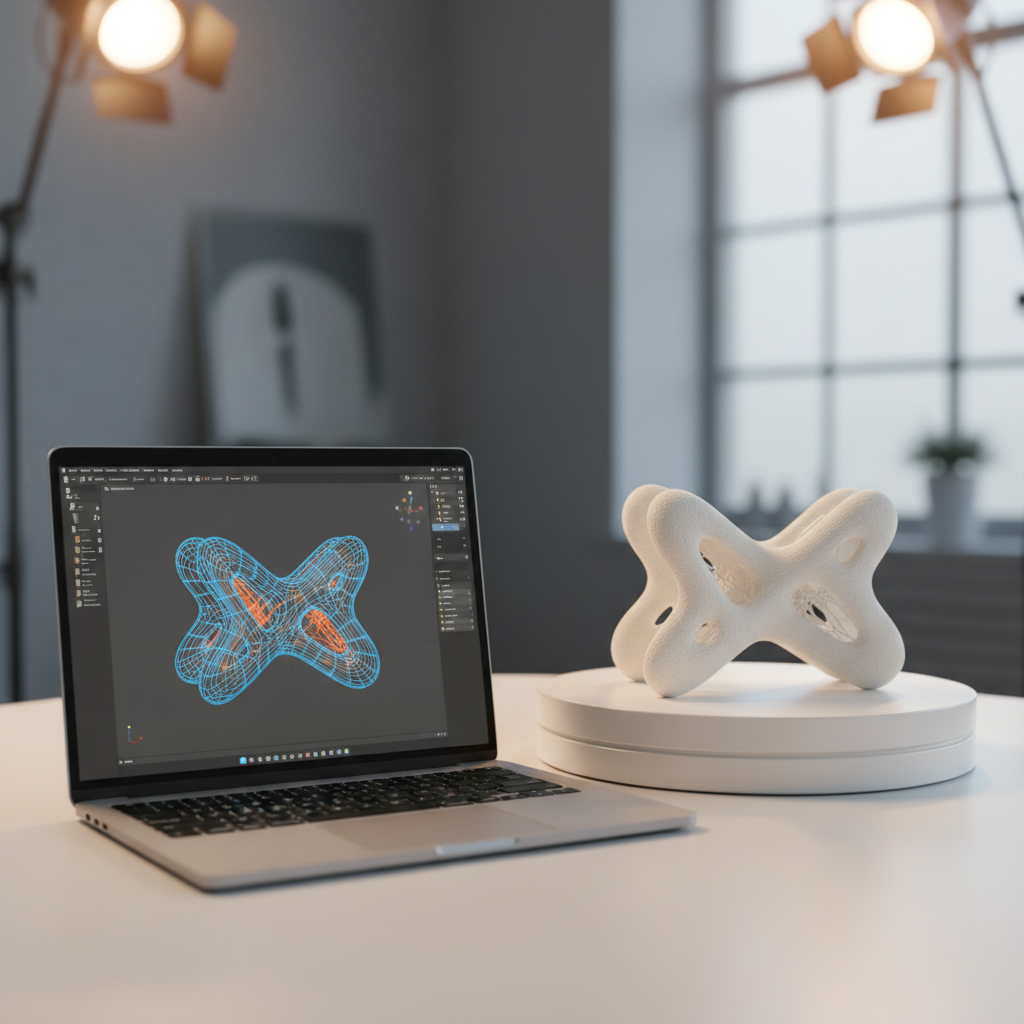
The concept of digital twins is revolutionizing the manufacturing industry by bridging the gap between the physical and digital worlds. A digital twin is a virtual replica of a physical object or system, allowing manufacturers to simulate, analyze, and optimize processes in real-time. This technology is transforming how businesses approach production, maintenance, and innovation.
By utilizing digital twins, manufacturers can enhance efficiency, reduce costs, and improve product quality. As industries continue to embrace digital transformation, the role of digital twins in modern manufacturing is becoming increasingly significant.
How Digital Twins Work
The Core Components
Digital twins consist of three core components: the physical entity, the digital counterpart, and the data connection between them. This integration allows real-time monitoring and analysis, enabling manufacturers to make informed decisions quickly. The data connection ensures that any changes in the physical object are reflected in the digital model, maintaining accuracy and reliability.
Applications in Manufacturing
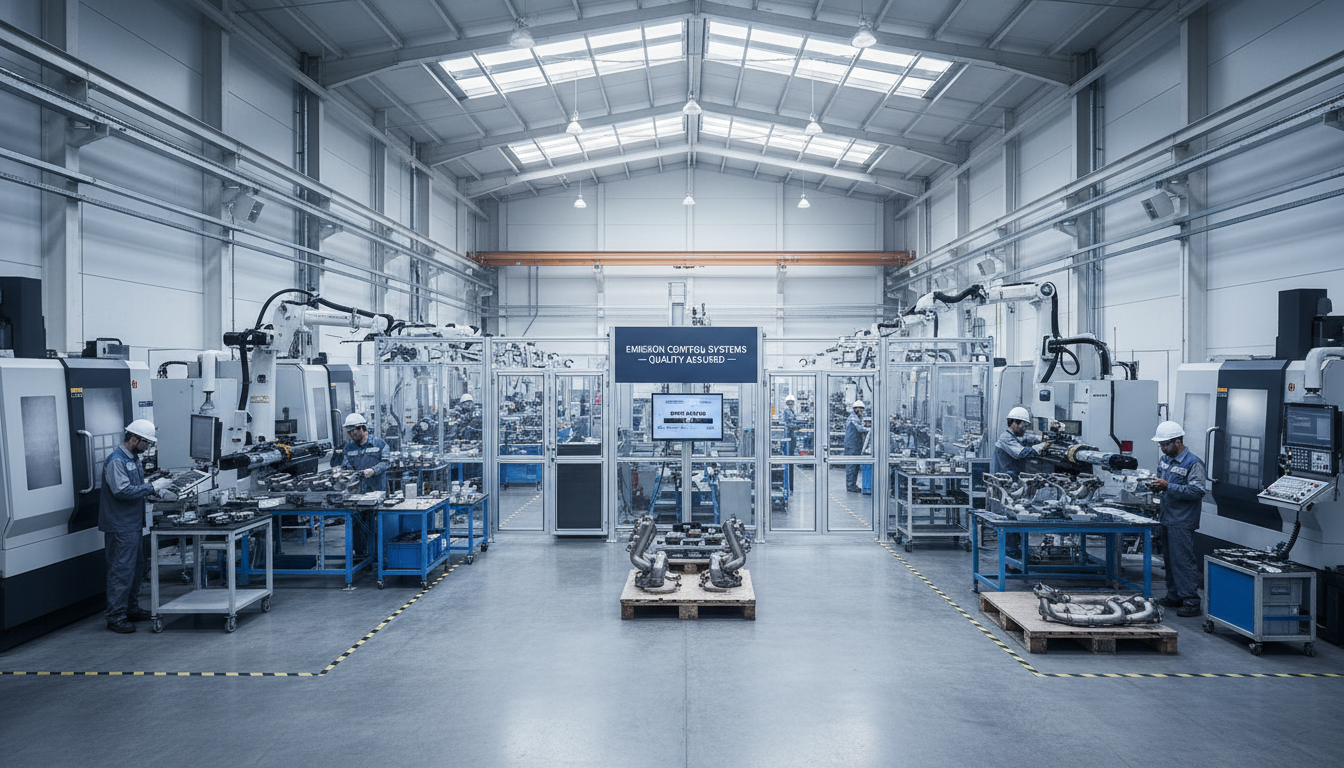
One of the primary applications of digital twins in manufacturing is predictive maintenance. By continuously monitoring equipment and analyzing data, digital twins can predict potential failures before they occur, minimizing downtime and saving costs. Additionally, they are used in product design and development, allowing engineers to test and refine products in a virtual environment before physical production.
Benefits of Implementing Digital Twins
Enhanced Efficiency and Productivity
Digital twins enable manufacturers to streamline operations by providing valuable insights into production processes. This leads to improved efficiency and productivity, as companies can identify bottlenecks and optimize workflows. The ability to simulate different scenarios also aids in decision-making, reducing the time and resources required for testing and implementation.
Cost Reduction and Risk Mitigation
By predicting equipment failures and optimizing maintenance schedules, digital twins help in significantly reducing operational costs. They also minimize risks associated with new product launches by enabling thorough testing and validation in a virtual environment. This proactive approach allows manufacturers to avoid costly errors and improve overall operational reliability.
- Improved decision-making
- Real-time monitoring
- Enhanced customer satisfaction
Challenges and Considerations
While digital twins offer numerous benefits, their implementation is not without challenges. The initial cost of developing and integrating digital twin technology can be substantial. Furthermore, ensuring data security and privacy is crucial, as the technology relies heavily on data sharing and connectivity.
Manufacturers must also consider the need for skilled personnel to manage and maintain digital twin systems. Training and development are essential to ensure that employees can effectively utilize the technology and maximize its potential benefits.
The Future of Digital Twins in Manufacturing
The future of digital twins in manufacturing looks promising as technology continues to evolve. Advances in artificial intelligence and machine learning are expected to enhance the capabilities of digital twins, offering even more precise simulations and analytics. As more industries recognize the value of digital twins, adoption is likely to increase, driving further innovation and transformation in the manufacturing sector.
In conclusion, digital twins are reshaping the landscape of modern manufacturing by offering unprecedented opportunities for efficiency, cost savings, and innovation. As companies navigate the complexities of digital transformation, embracing digital twin technology could be a key factor in staying competitive in an ever-evolving market.