Exploring the Digital Twin Concept: Bridging Reality and Technology


Understanding the Digital Twin Concept
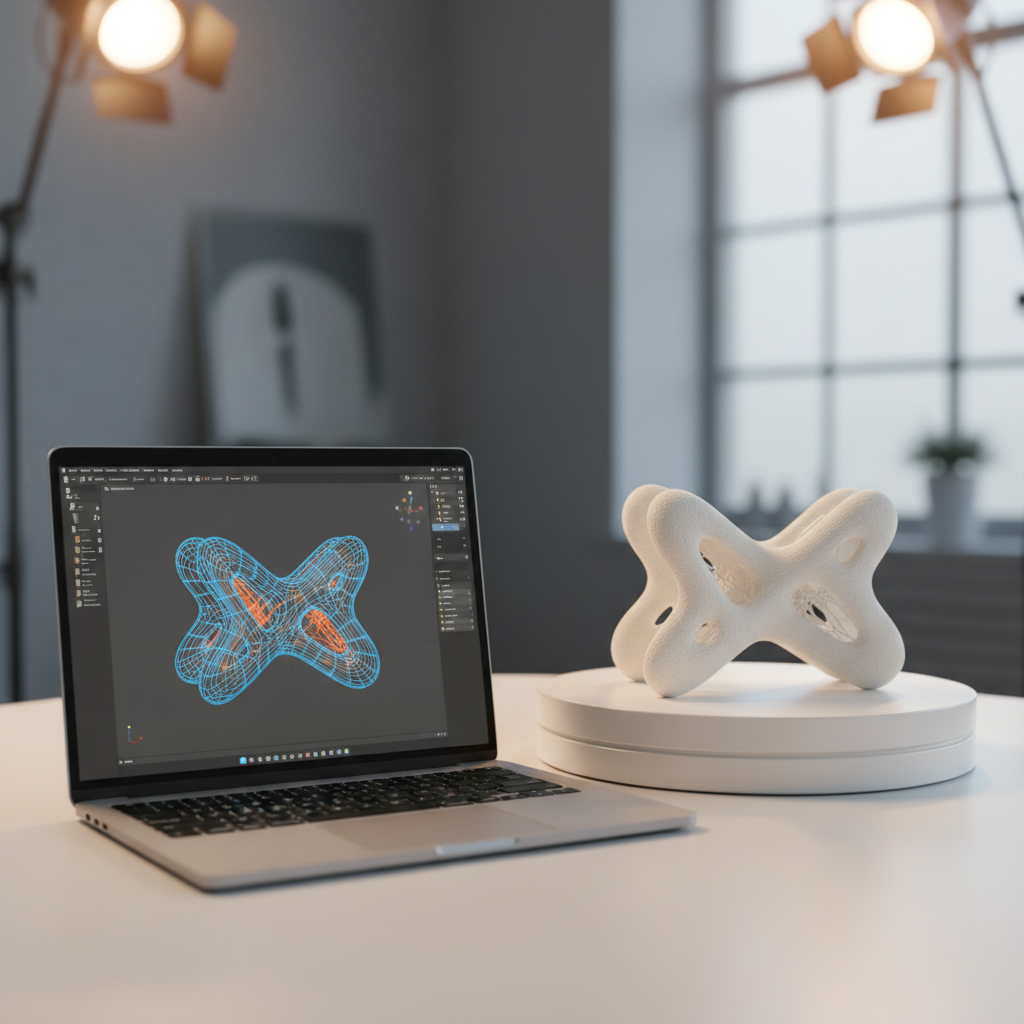
The digital twin concept is revolutionizing industries by creating a virtual representation of physical assets, systems, or processes. This technology bridges the gap between the physical and digital worlds, offering a platform for data analysis and system monitoring. By replicating real-world scenarios, digital twins enable businesses to optimize performance, predict issues, and innovate with greater efficiency.
Originally developed by NASA for spacecraft simulation, digital twins are now embraced by various sectors such as manufacturing, healthcare, and urban planning. These virtual models are continuously updated with real-time data, creating a dynamic and accurate representation of the physical entity.
Key Components of Digital Twins
A digital twin consists of three primary components: a physical entity in the real world, a digital replica, and the data that connects the two. This data is crucial as it allows for the continuous synchronization between the physical and digital versions, ensuring the twin remains an accurate reflection of reality.
Data integration is facilitated by sensors and IoT devices that collect real-time information. This data flow is essential for creating predictive models and conducting simulations, which can lead to significant improvements in operational efficiency and decision-making processes.
Applications Across Industries
Digital twins are transforming multiple industries with their diverse applications. In manufacturing, they enable predictive maintenance, reducing downtime and extending equipment life. By simulating production processes, manufacturers can identify bottlenecks and optimize workflows to enhance productivity.
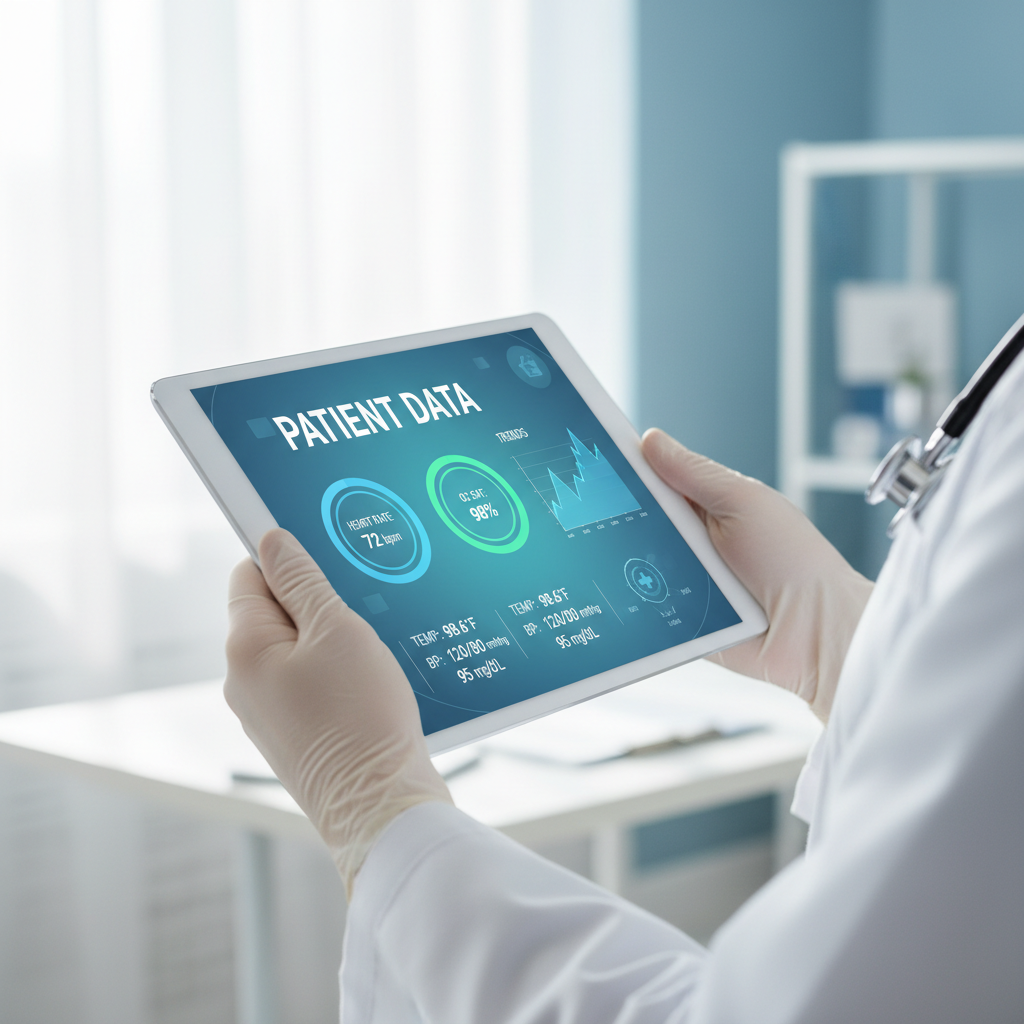
In healthcare, digital twins of the human body can be used for personalized medicine. By simulating the effects of treatments on a digital replica of a patient, doctors can tailor therapies to individual needs, improving outcomes and reducing risks.
The Role of AI and Machine Learning
Artificial intelligence and machine learning play a crucial role in maximizing the potential of digital twins. These technologies analyze vast amounts of data generated by digital twins to identify patterns and predict future behaviors. This capability is especially valuable in proactive maintenance and risk management.
For instance, in urban planning, AI-driven digital twins can simulate traffic patterns and energy consumption, supporting the development of smarter and more sustainable cities. By providing data-driven insights, digital twins help city planners make informed decisions that improve urban living conditions.
Challenges and Considerations
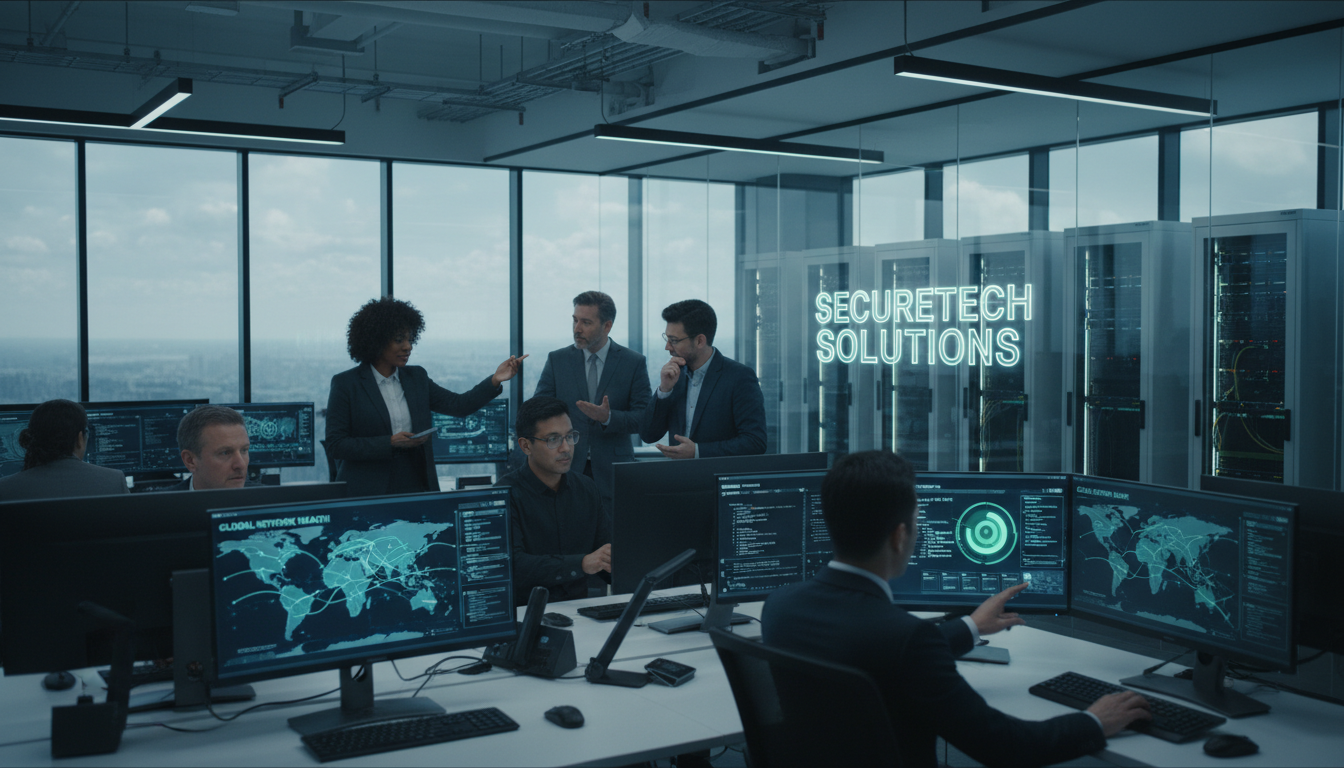
Despite their advantages, implementing digital twins comes with challenges. Data security and privacy are major concerns, especially when dealing with sensitive information. Ensuring robust cybersecurity measures is essential to protect the integrity of both physical and digital assets.
Additionally, the complexity of integrating diverse data sources and technologies can be a hurdle. Organizations need to invest in skilled personnel and advanced tools to build and maintain effective digital twin systems.
Future Prospects
The future of digital twins looks promising, with potential advancements in artificial intelligence, machine learning, and IoT driving further innovation. As technology evolves, digital twins are expected to become more sophisticated, offering even greater precision and functionality. This evolution will likely lead to broader adoption across industries, unlocking new opportunities for growth and efficiency.
Ultimately, digital twins represent a significant leap forward in bridging the gap between reality and technology. By providing a comprehensive view of systems and processes, they empower organizations to make informed decisions, enhance performance, and drive innovation.