Exploring Digital Twins: The Backbone of Modern IoT Solutions


In the rapidly evolving world of technology, the concept of digital twins has emerged as a crucial component in the realm of modern IoT solutions. But what exactly are digital twins, and why are they so pivotal in today's digital landscape?
Understanding Digital Twins
A digital twin is a virtual representation of a physical object or system. It serves as a real-time digital counterpart, allowing for analysis, monitoring, and optimization. By leveraging data from IoT devices, digital twins provide insights that can lead to improved decision-making and operational efficiencies.
The Role of Digital Twins in IoT
Digital twins are redefining the capabilities of IoT solutions by providing a comprehensive view of systems. They enable businesses to simulate scenarios, predict outcomes, and optimize operations without the need for physical trials. This not only saves time and resources but also enhances innovation.
Moreover, digital twins facilitate predictive maintenance. By analyzing data from connected devices, organizations can foresee potential failures and address them proactively, minimizing downtime and reducing costs.

Applications Across Industries
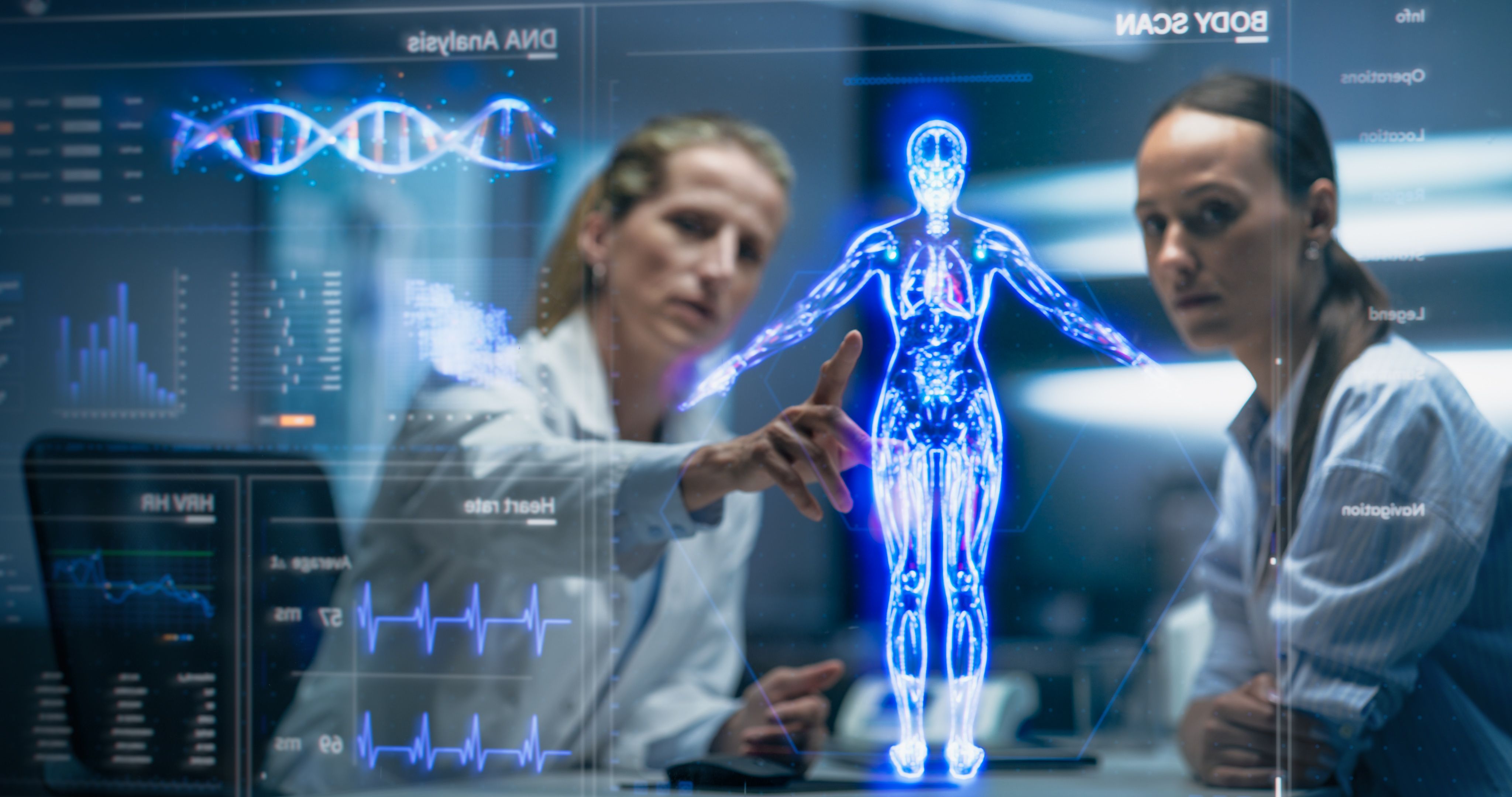
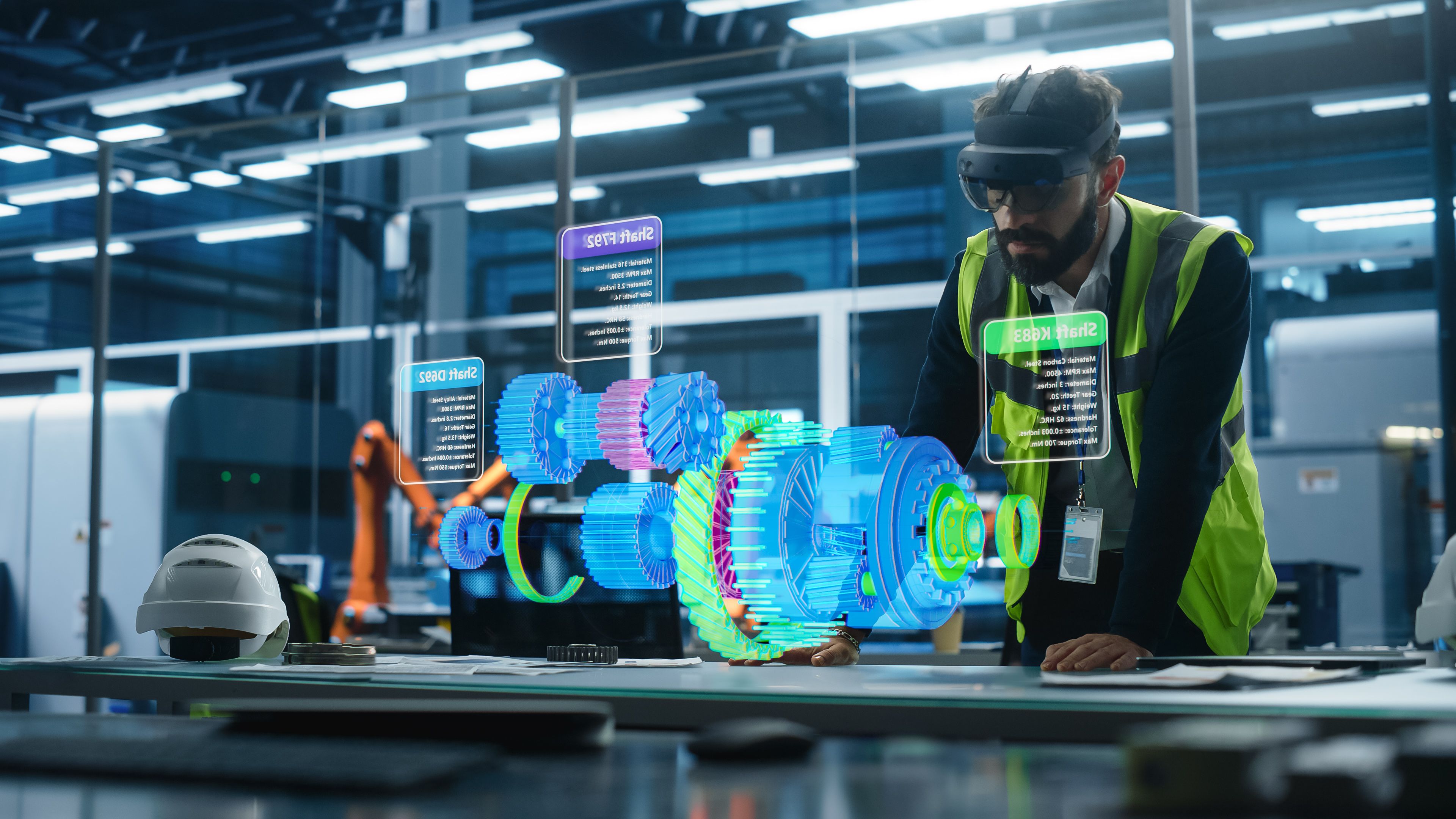
The versatility of digital twins spans various industries. In manufacturing, they are used to streamline processes and enhance product quality. In healthcare, digital twins of patients can help in personalized medicine and treatment planning. The automotive industry uses them to optimize vehicle performance and safety features.
Benefits of Implementing Digital Twins
Implementing digital twins offers numerous benefits, including:
- Enhanced Efficiency: Streamlining operations by simulating processes and identifying bottlenecks.
- Cost Reduction: Reducing the need for physical prototypes and minimizing maintenance expenses.
- Improved Decision-Making: Providing data-driven insights for strategic planning.
Challenges and Considerations
While the advantages are clear, implementing digital twins does come with challenges. Ensuring data accuracy and security is paramount. Organizations must invest in robust cybersecurity measures to protect sensitive information. Additionally, integrating digital twins with existing systems can require significant effort and expertise.
The Future of Digital Twins
As technology continues to advance, the potential of digital twins will only grow. They are expected to play a vital role in the development of smart cities, autonomous vehicles, and more. By bridging the gap between the physical and digital worlds, digital twins are set to revolutionize the way we interact with technology.

In conclusion, digital twins are more than just a technological trend; they are the backbone of modern IoT solutions. By harnessing their full potential, businesses can achieve unprecedented levels of innovation and efficiency, paving the way for a smarter, more connected world.