Exploring Digital Twins: A Key to Smart Manufacturing in Hangzhou


Understanding Digital Twins
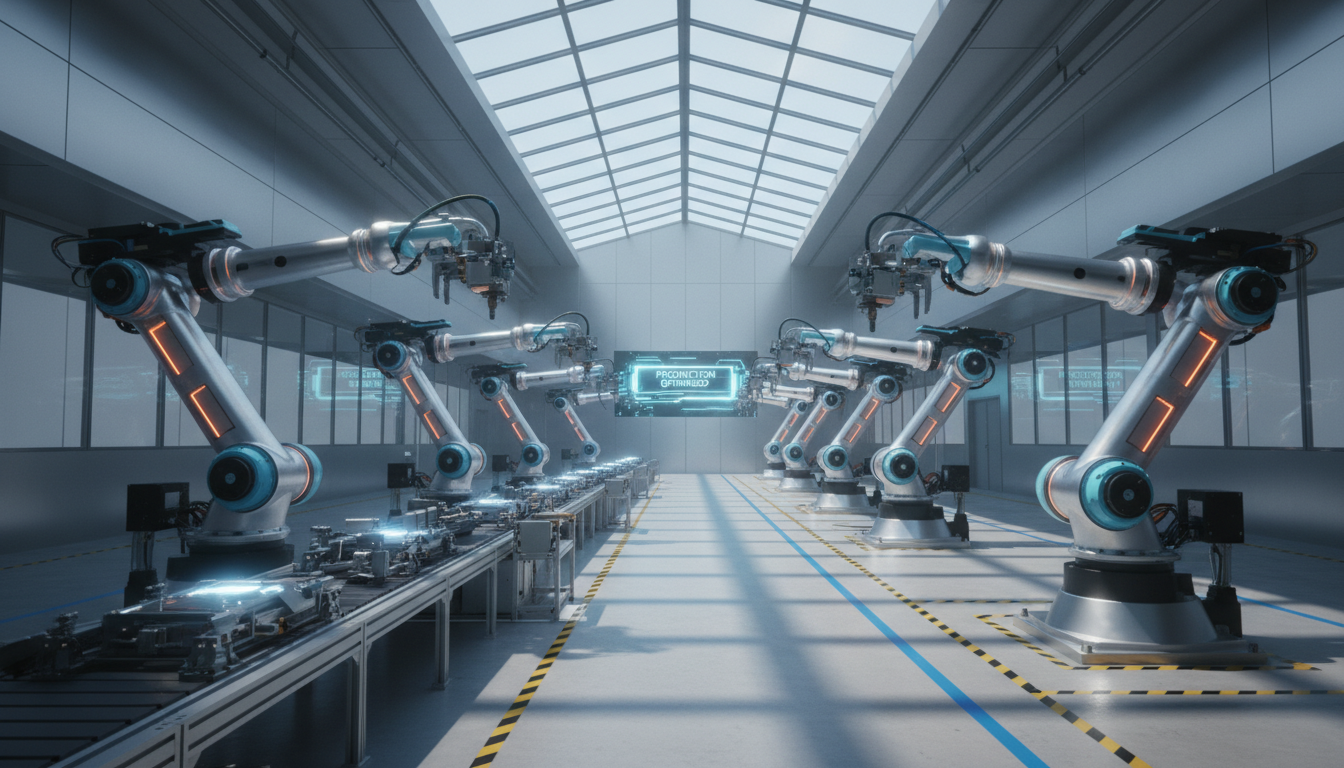
The concept of digital twins is transforming industries by providing a virtual replica of physical systems. In Hangzhou, a city renowned for its technological advancements, digital twins are becoming a cornerstone of smart manufacturing. These virtual models enable manufacturers to simulate, predict, and optimize processes, leading to greater efficiency and innovation.
Digital twins bridge the gap between the physical and digital worlds. By creating a dynamic digital counterpart of real-world assets, businesses can monitor and analyze data in real time. This technology is instrumental in enhancing productivity and reducing costs, making it a vital tool for manufacturers in Hangzhou.
The Role of IoT and AI in Digital Twins
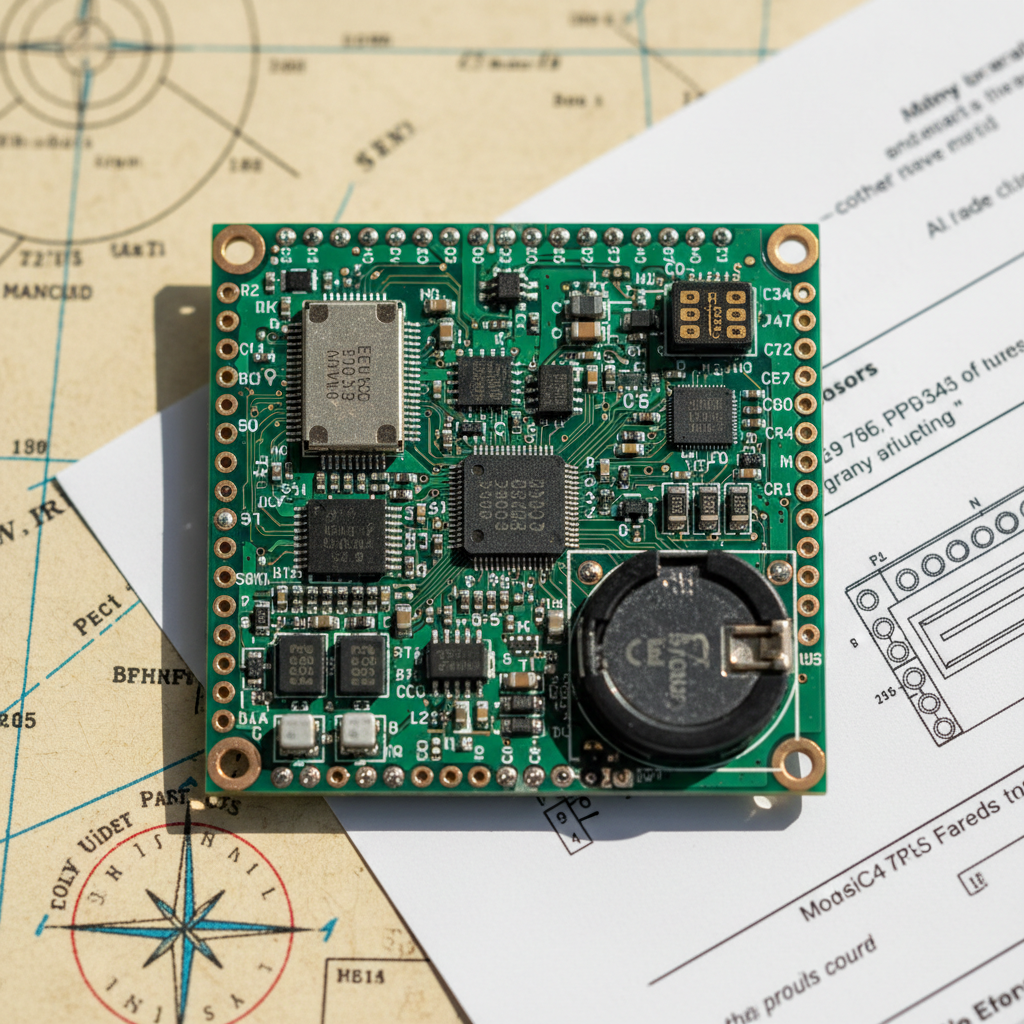
Internet of Things (IoT) and Artificial Intelligence (AI) are key enablers of digital twins. IoT devices collect data from physical assets, while AI algorithms process this data to provide actionable insights. In Hangzhou, factories are leveraging these technologies to create more responsive and adaptive manufacturing environments.
With AI-driven analytics, digital twins can predict equipment failures before they occur, allowing for preventative maintenance and minimizing downtime. This proactive approach is crucial in maintaining the seamless operation of manufacturing systems and ensuring high-quality production.
Benefits of Implementing Digital Twins
Adopting digital twins in manufacturing offers numerous benefits, including:
- Enhanced Efficiency: Real-time data analysis helps in optimizing operations and reducing waste.
- Cost Reduction: Predictive maintenance and process optimization lead to significant cost savings.
- Improved Product Quality: Continuous monitoring ensures that products meet quality standards.
Challenges and Solutions
Despite their advantages, implementing digital twins comes with challenges. Data security, integration with existing systems, and the need for skilled personnel are common hurdles. In Hangzhou, companies are addressing these challenges by investing in cybersecurity measures and training programs to equip their workforce with the necessary skills.
Collaborations between technology providers and manufacturers are also essential. By working together, they can develop customized solutions that meet specific industry needs, ensuring a smooth transition to digital twin technology.

Future Prospects in Hangzhou
The future of digital twins in Hangzhou looks promising. As more industries recognize the value of this technology, its adoption is expected to grow exponentially. With advancements in AI and IoT, digital twins will become even more sophisticated, enabling smarter and more sustainable manufacturing processes.
Hangzhou's commitment to innovation and technology positions it as a leader in the digital transformation of manufacturing. By embracing digital twins, the city is paving the way for a new era of industrial excellence.