Debunking Myths About AI and Robotics in Modern Manufacturing


Understanding the Role of AI and Robotics
Artificial Intelligence (AI) and robotics have become integral parts of modern manufacturing, driving efficiency and innovation. However, many myths persist about their impact and capabilities. By debunking these myths, we can better appreciate the value they bring to the industry.
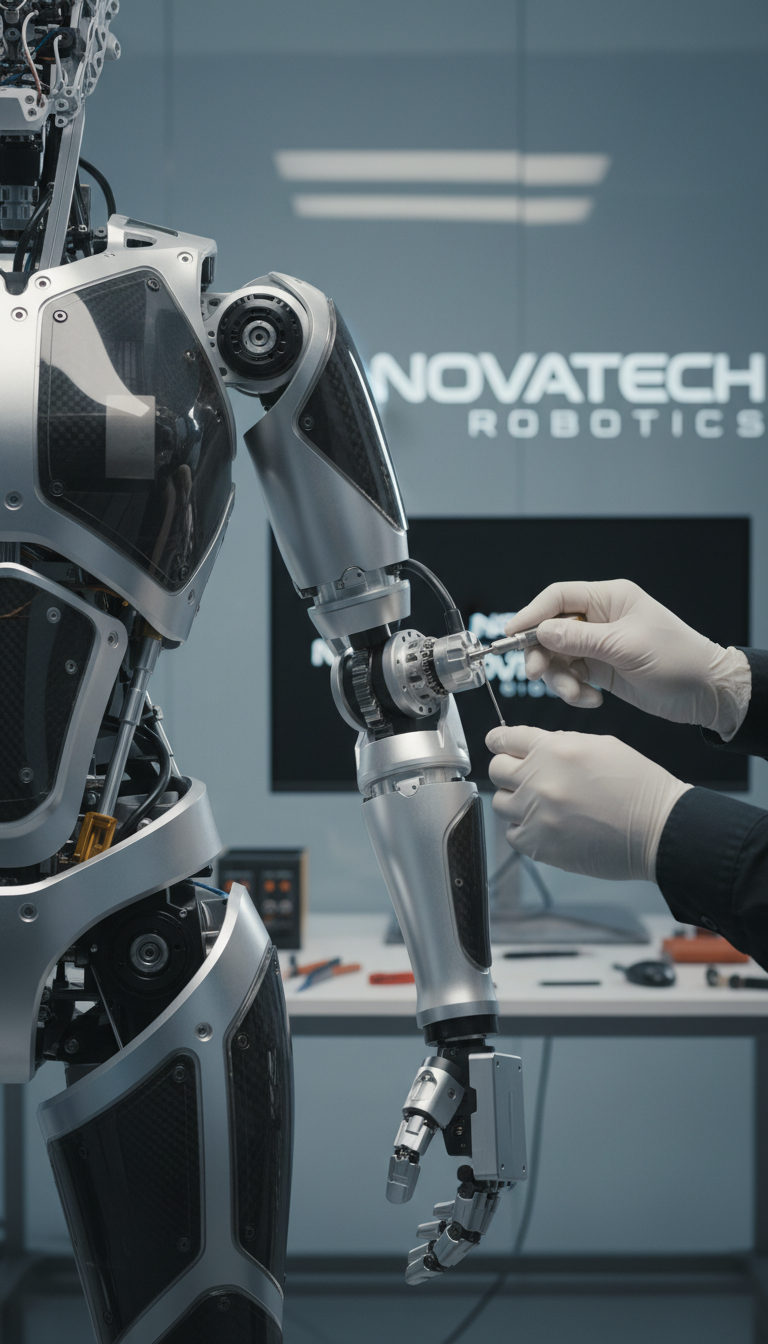
Myth 1: AI and Robotics Replace Human Jobs
A common misconception is that AI and robotics lead to massive job losses. In reality, they often create new opportunities. While some repetitive tasks are automated, this shift allows human workers to focus on more complex and creative roles. The collaboration between humans and machines can lead to more fulfilling and safer work environments.
Moreover, the demand for skilled workers to develop, manage, and maintain these technologies is on the rise, opening up new career paths in engineering, data analysis, and system management.
Myth 2: Robots Lack Flexibility
Another myth is that robots are inflexible and can only perform specific tasks. Today’s robotics are incredibly adaptable, capable of learning and reprogramming to handle various tasks. This flexibility allows manufacturers to quickly adapt to changes in production needs and market demands.
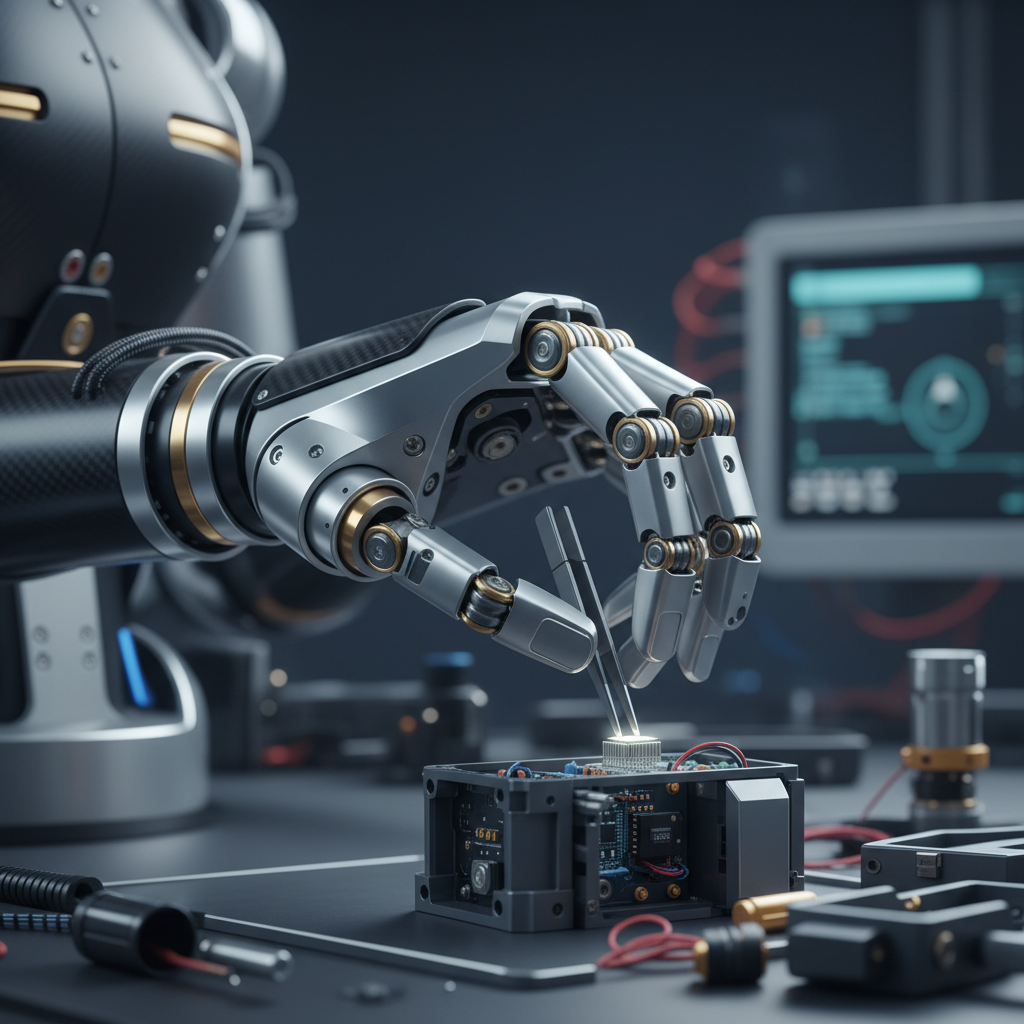
Advanced AI algorithms enable robots to improve over time, learning from new data and experiences. This adaptability is crucial in industries where customization and quick responses to consumer demands are key.
Myth 3: AI is Too Complex for Small Manufacturers
Some believe that AI technology is only accessible to large corporations. However, AI solutions have become increasingly affordable and scalable, making them viable for small and medium-sized enterprises (SMEs) as well. Cloud-based AI services and user-friendly interfaces allow smaller manufacturers to integrate AI without massive infrastructure investments.
Additionally, many service providers offer tailored AI packages that cater to the unique needs of SMEs, ensuring that businesses of all sizes can leverage these technologies to enhance productivity and competitiveness.
Myth 4: AI and Robotics Compromise Quality
Contrary to the belief that automation reduces quality, AI and robotics often enhance precision and consistency in manufacturing processes. Machines can perform tasks with high accuracy and little variation, reducing the likelihood of human error. This leads to improved product quality and reliability.
Furthermore, AI-powered quality control systems can identify defects and anomalies more effectively than traditional methods, ensuring higher standards and customer satisfaction.
Embracing the Future
By dispelling these myths, manufacturers can embrace AI and robotics as tools for innovation and growth. The key is to view them as partners that complement human skills, rather than replacements. As technology continues to evolve, the synergy between human creativity and machine efficiency will pave the way for a more dynamic and resilient manufacturing sector.