Comprehensive Guide to AI-Powered Inspection Robots


As industries continue to evolve, the integration of AI-powered inspection robots is becoming increasingly significant. These advanced machines are transforming the way inspections are conducted, offering improved accuracy, efficiency, and safety. In this comprehensive guide, we will explore the various aspects of AI-powered inspection robots and their impact across different sectors.
What Are AI-Powered Inspection Robots?
AI-powered inspection robots are autonomous or semi-autonomous machines equipped with artificial intelligence technologies. They are designed to perform detailed inspections in various environments, from manufacturing plants to hazardous locations. Their ability to analyze data in real-time allows for swift decision-making and identification of potential issues before they escalate.
The integration of AI with robotics enables these machines to adapt to complex scenarios, making them invaluable tools in modern industry. They can navigate challenging terrains, access hard-to-reach areas, and operate under conditions that might be dangerous for human inspectors.
Key Features of AI-Powered Inspection Robots
Advanced Sensors and Data Collection
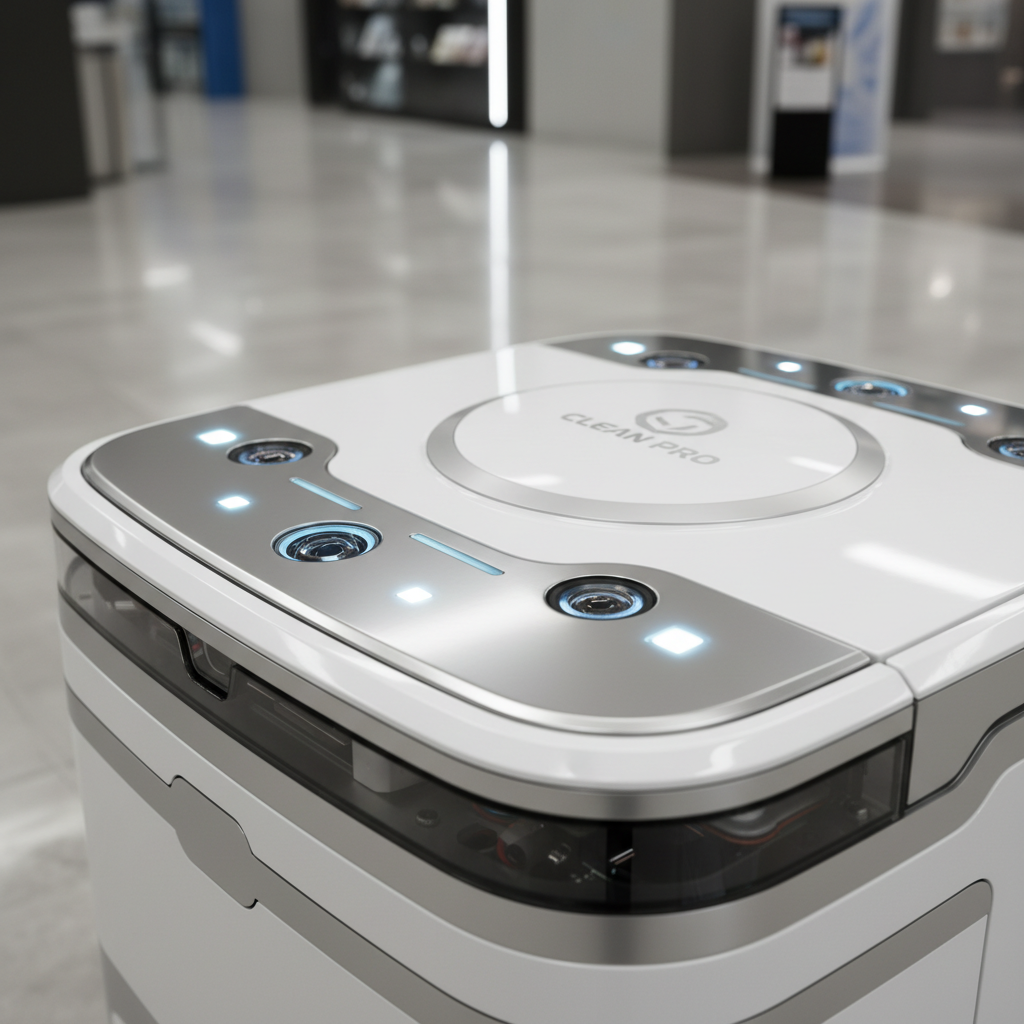
These robots are equipped with a range of advanced sensors, including cameras, infrared detectors, and thermal imaging devices. These tools allow them to gather detailed data about the environment they are inspecting. This information is then processed using AI algorithms to detect anomalies or defects.
Machine Learning Capabilities
Machine learning is at the core of AI-powered inspection robots. By analyzing historical data, these robots can learn and improve their inspection processes over time. This capability enables them to recognize patterns and predict potential failures, enhancing the overall efficiency of inspections.

Applications Across Industries
Manufacturing
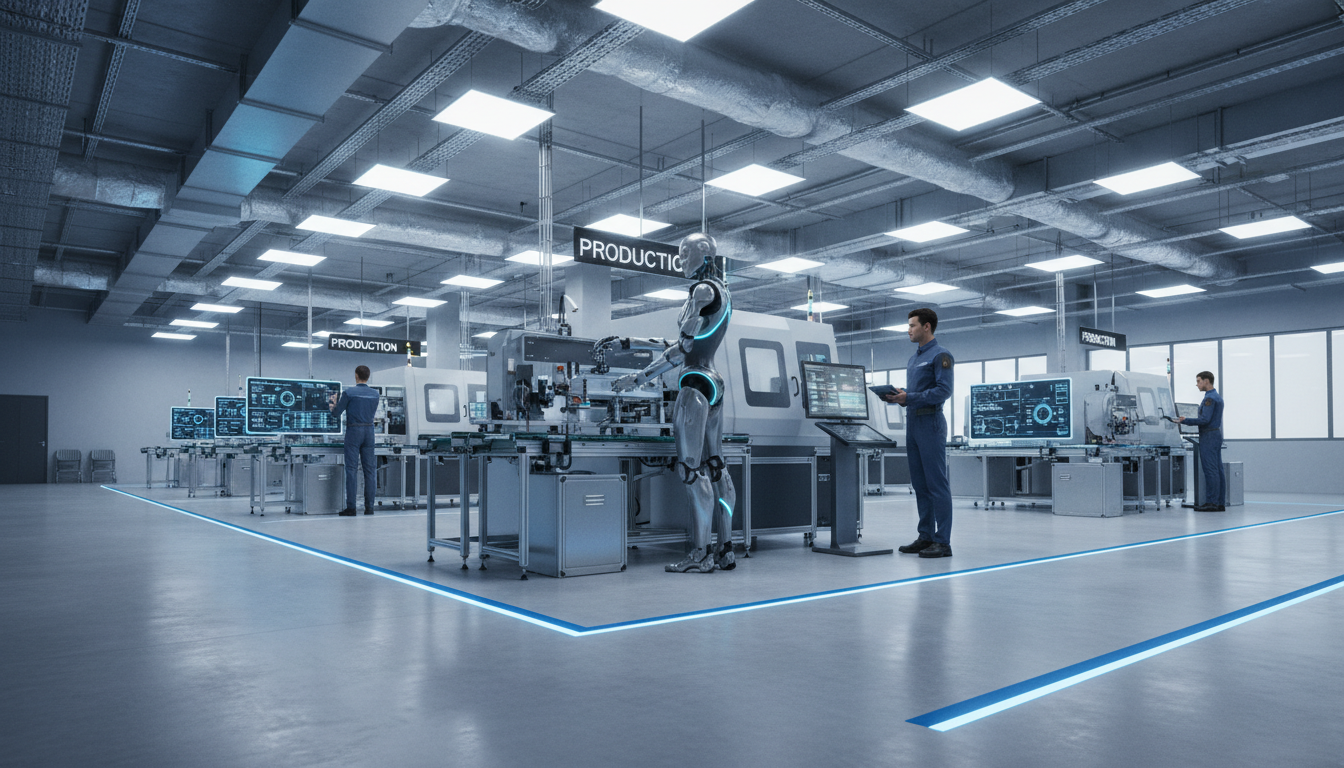
In the manufacturing sector, AI-powered inspection robots play a critical role in quality control. They can inspect products on the assembly line, ensuring that they meet the required standards and specifications. This reduces the likelihood of defective products reaching the market.
Oil and Gas
The oil and gas industry benefits significantly from these robots. They can perform inspections on pipelines, offshore rigs, and other infrastructures, detecting leaks or structural weaknesses. This improves safety and reduces the risk of environmental disasters.
Benefits of Using AI-Powered Inspection Robots
- Increased Efficiency: AI-powered robots can work continuously without fatigue, leading to faster inspection processes.
- Enhanced Accuracy: The precision of AI algorithms minimizes human error, providing more reliable inspection results.
- Improved Safety: By taking over dangerous tasks, these robots protect human workers from potential hazards.
Challenges and Considerations
While AI-powered inspection robots offer numerous advantages, there are challenges to consider. The initial cost of deploying these technologies can be high, and there may be a learning curve involved in their implementation. Additionally, ensuring data security and privacy is crucial, as these robots often collect sensitive information.
Despite these challenges, the benefits of AI-powered inspection robots make them a worthwhile investment for many industries. As technology continues to advance, we can expect these robots to become even more efficient and accessible.
In conclusion, AI-powered inspection robots are revolutionizing the way industries conduct inspections. By providing precise, efficient, and safe inspection solutions, they are paving the way for a future where technology and human ingenuity work hand in hand.