Comparing Inspection Tools: Robots, Dogs, and Drones


In the world of inspection tools, technology has broadened the options available to industries. From traditional methods to cutting-edge innovations, companies now have a diverse array of tools at their disposal. Today, we take a closer look at three intriguing options: robots, dogs, and drones. Each offers unique advantages and challenges, making the choice dependent on the specific needs of an inspection task.
Robots: Precision and Consistency
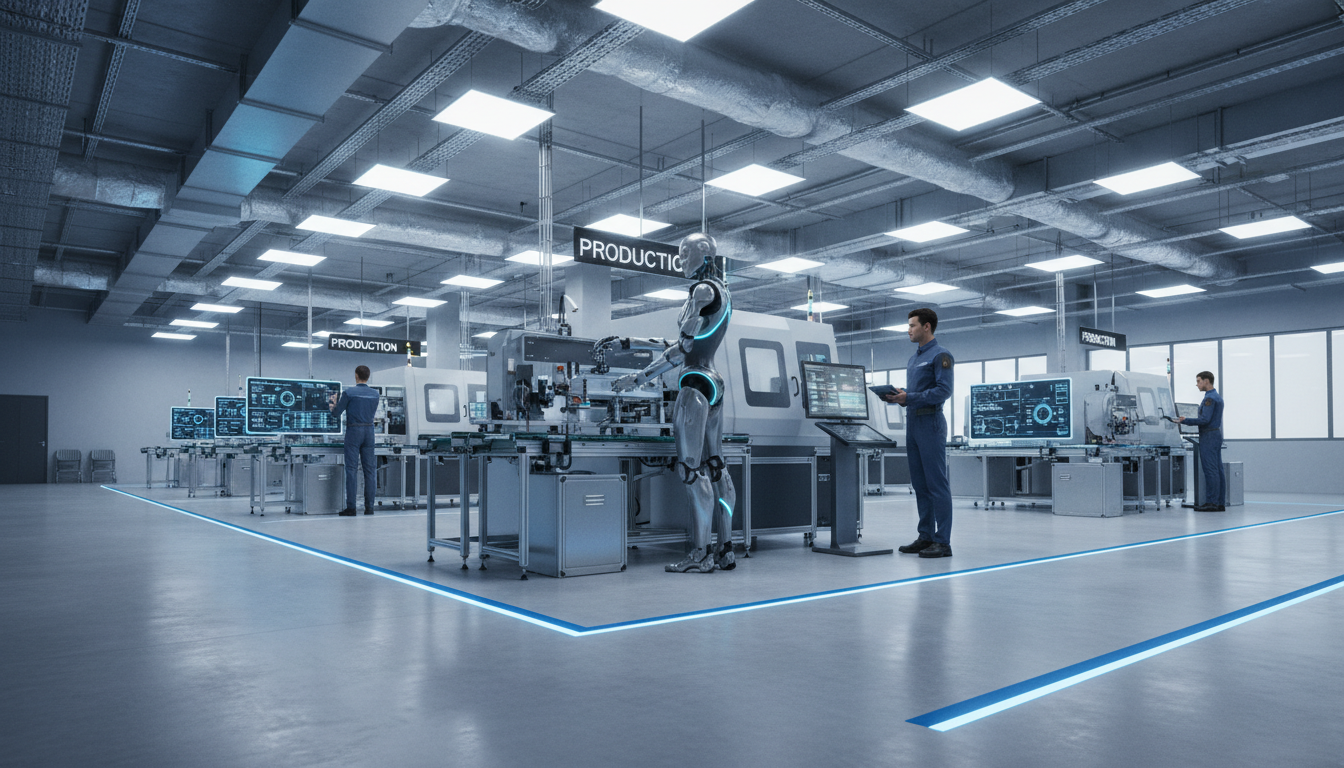
Robots have become a staple in many industrial settings due to their precision and consistency. They are particularly effective in environments that are hazardous to humans, such as nuclear plants or chemical facilities. Equipped with sensors and cameras, robots can navigate complex environments and provide real-time data without fatigue.
One of the main advantages of robots is their ability to perform repetitive tasks with minimal error, ensuring high-quality inspections. However, they require significant upfront investment and ongoing maintenance. The integration of AI and machine learning continues to enhance their capabilities, allowing for increasingly sophisticated inspections.
Dogs: Nature's Detectives
When it comes to detecting scents, nothing beats a dog's natural ability. Dogs have been used for decades in search and rescue operations, drug detection, and more recently, in identifying structural issues by detecting gas leaks or mold. Their keen sense of smell can identify problems that might be undetectable by machines.
The use of dogs as inspection tools is cost-effective and environmentally friendly. However, their efficiency can be affected by factors such as fatigue, distraction, and environmental conditions. Training is crucial, as well-trained dogs can accurately perform inspections and alert handlers to potential issues.
Drones: Reaching New Heights
Drones have revolutionized inspections by providing unparalleled access to hard-to-reach areas. They are particularly useful in inspecting tall structures like wind turbines, bridges, and skyscrapers. Equipped with high-resolution cameras and sensors, drones can capture detailed images and data quickly and efficiently.
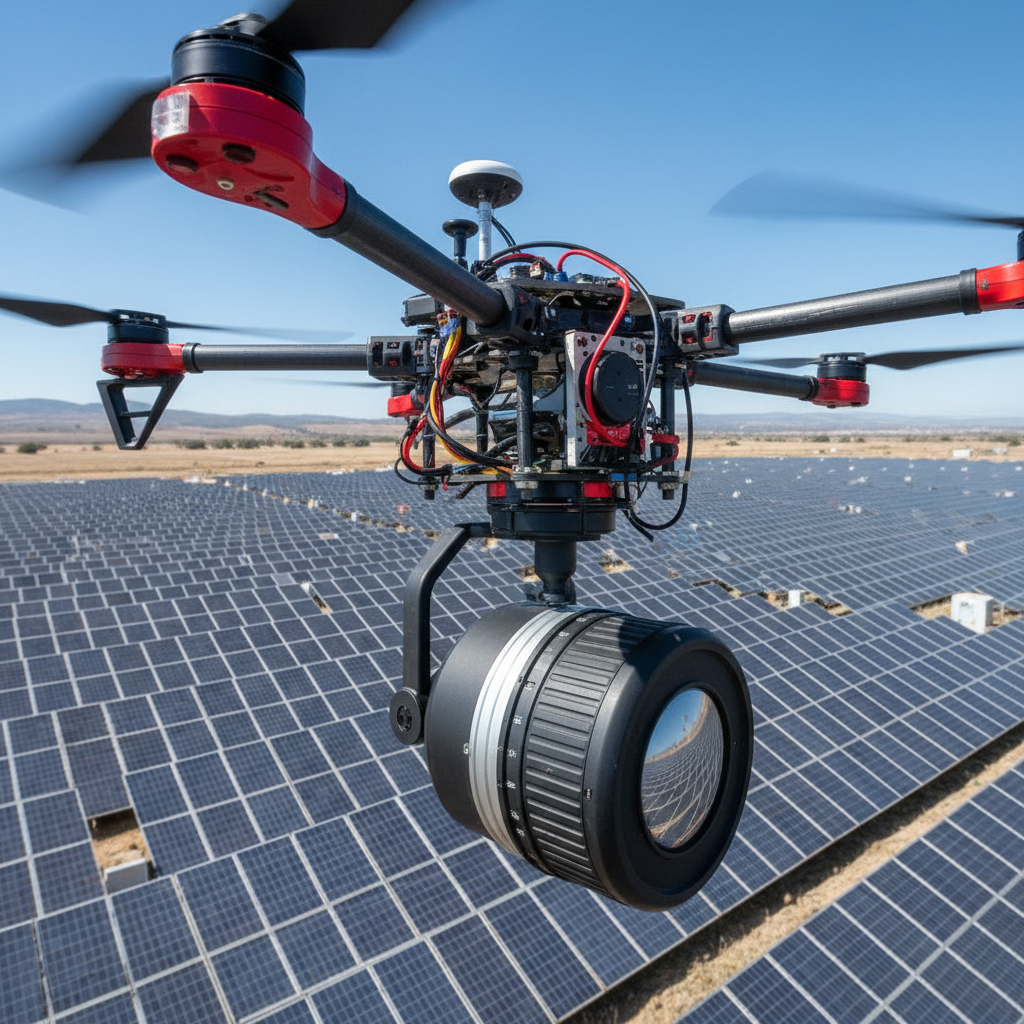
One of the key benefits of drones is their ability to cover large areas in a short amount of time. This makes them ideal for time-sensitive inspections. However, their use can be limited by weather conditions and airspace regulations. Ensuring operators are well-trained is essential for safe and effective drone inspections.
Choosing the Right Tool
Deciding which inspection tool to use depends on several factors, including the type of inspection, the environment, and budget constraints. Here's a quick comparison to help guide the decision-making process:
- Robots: Best for hazardous environments and repetitive tasks.
- Dogs: Ideal for scent detection and environmentally friendly operations.
- Drones: Perfect for reaching high or expansive areas quickly.
By understanding the strengths and limitations of each tool, companies can make informed decisions that align with their operational goals and safety standards.
The Future of Inspection Tools
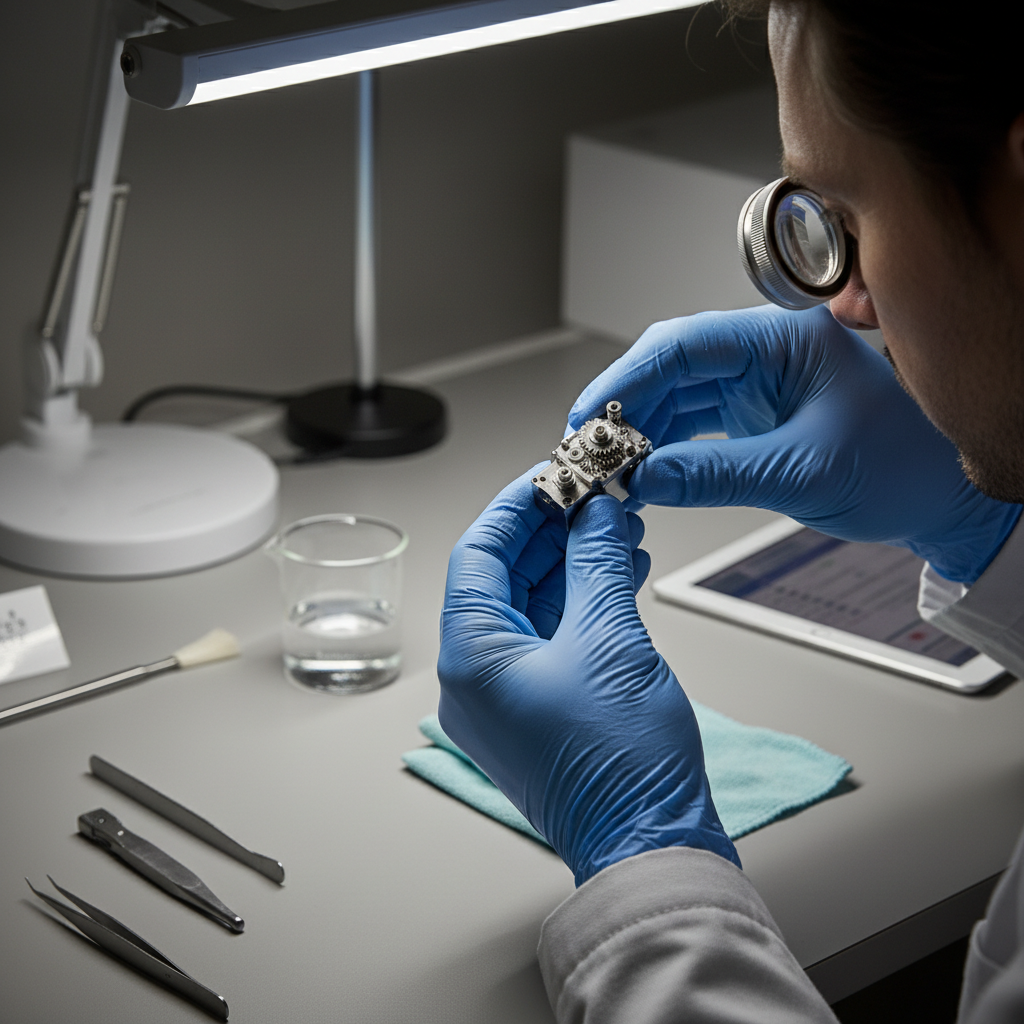
As technology continues to evolve, the future of inspection tools looks promising. The integration of AI with robots and drones is poised to enhance their capabilities, making them more efficient and effective. Meanwhile, ongoing research into canine training techniques could further optimize their performance.
Ultimately, the goal is to improve safety, efficiency, and accuracy in inspections. By embracing a combination of traditional and modern tools, industries can ensure comprehensive coverage and reliable results.