Comparing Inspection Technologies: Robots vs. Dogs vs. Drones


The Rise of Inspection Technologies
In recent years, advancements in technology have transformed traditional inspection methods. The introduction of robots, dogs, and drones has revolutionized industries by providing more efficient, accurate, and safer inspection solutions. Each of these technologies has its unique strengths and applications, making them suitable for different scenarios.
Robots: Precision and Consistency
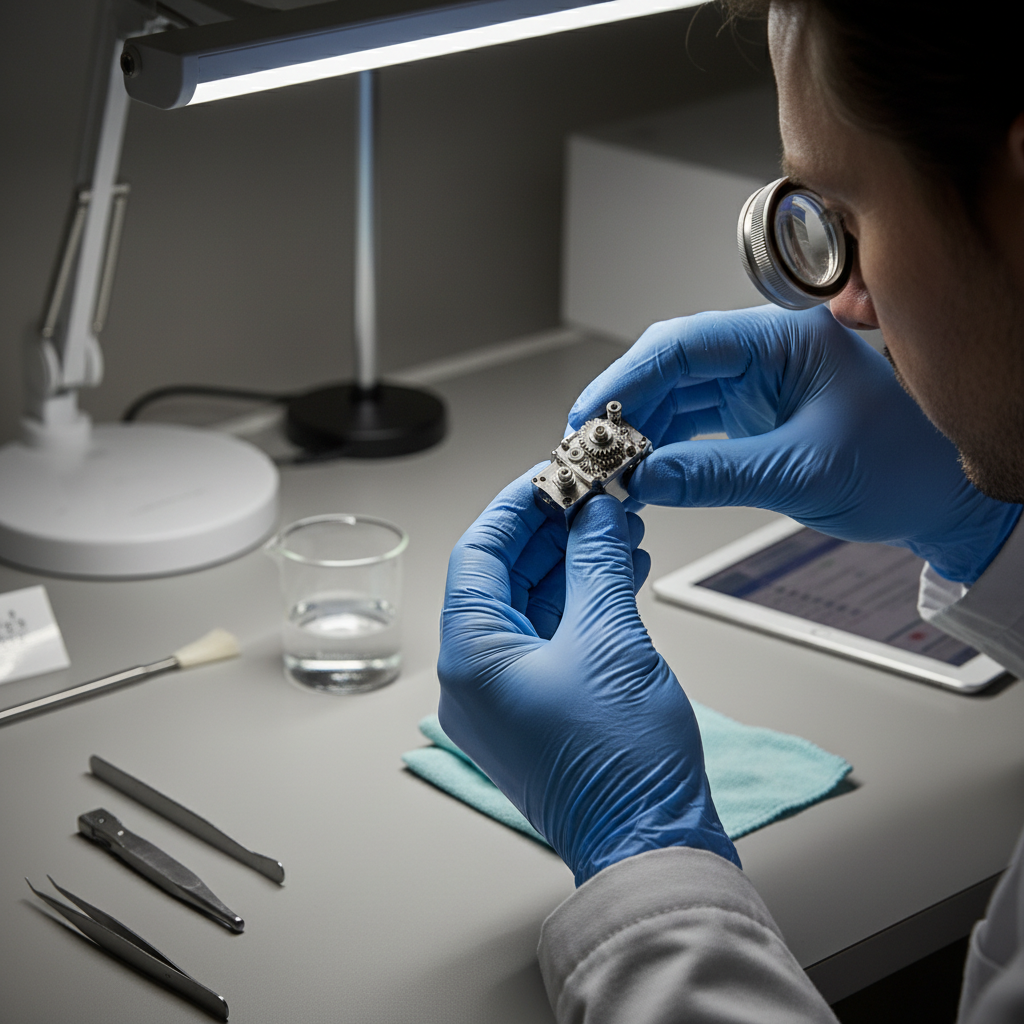
Robots have become a staple in industries requiring high precision. Equipped with advanced sensors and cameras, robots can identify minute defects that might be missed by the human eye. They excel in environments that are hazardous or challenging for humans to navigate, such as underwater pipelines or nuclear facilities.
One of the major advantages of robots is their consistency. Unlike humans, robots do not suffer from fatigue, ensuring continuous and reliable performance. However, their deployment often requires a significant upfront investment and skilled personnel for operation and maintenance.
Dogs: Natural Detectors
Dogs have been used for inspection purposes for decades, thanks to their extraordinary sense of smell. Their ability to detect explosives, drugs, and even diseases makes them invaluable in various sectors, including security and healthcare.

One of the standout features of dogs is their flexibility. They can be trained for specific tasks and adapt to different environments with relative ease. However, their effectiveness can be influenced by factors such as training quality and environmental conditions.
Drones: Aerial Advantage
Drones offer a unique perspective for inspections, especially in large or hard-to-reach areas. Equipped with high-resolution cameras and sensors, drones can quickly survey vast areas, making them ideal for agricultural, construction, and environmental monitoring applications.
They provide a cost-effective solution for aerial inspections, reducing the need for expensive manned aircraft. However, drones are subject to regulatory restrictions and may face limitations in adverse weather conditions.

Choosing the Right Technology
When deciding on the suitable inspection technology, it’s important to consider the specific requirements of the task at hand. Here are some factors to consider:
- Environment: Is the area hazardous or difficult to access?
- Cost: What is the budget for the inspection process?
- Accuracy: How critical is precision in the inspection?
- Regulations: Are there any legal considerations or restrictions?
The Future of Inspection Technologies
As technology continues to evolve, the capabilities of robots, dogs, and drones will expand further. The integration of AI and machine learning is expected to enhance their effectiveness, making them more versatile and efficient.
Ultimately, the choice between robots, dogs, and drones will depend on the specific demands of the inspection task. By understanding the strengths and limitations of each, industries can make informed decisions to optimize their inspection processes.