Comparing Inspection Drones and Robot Dogs: Which is Right for You?


In recent years, the landscape of industrial inspections has been transformed by technological advancements. Two of the most exciting developments in this space are inspection drones and robot dogs. Both offer unique advantages, but choosing the right one for your needs requires careful consideration of their capabilities and limitations.
Understanding Inspection Drones
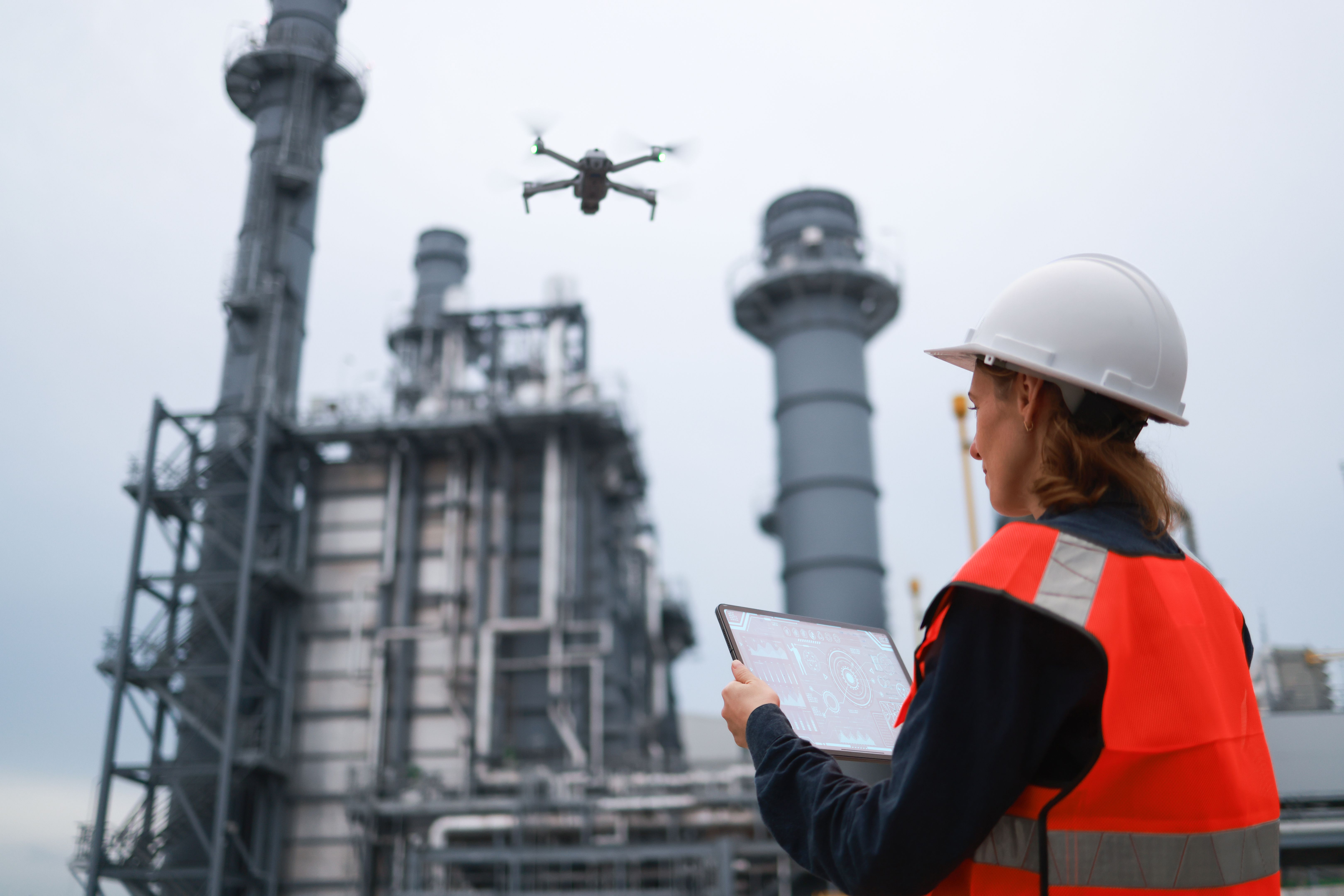
Inspection drones have become integral in industries like construction, energy, and infrastructure. These airborne devices can quickly access hard-to-reach areas, capturing high-resolution images and videos. Drones are particularly effective for aerial surveys and mapping, providing a comprehensive view of extensive sites.
One of the primary advantages of drones is their ability to cover large areas efficiently. They offer a bird’s-eye view, making them perfect for roof inspections, bridge assessments, and agricultural monitoring. Equipped with various sensors, drones can also detect heat loss, gas leaks, and structural damage.
Limitations of Inspection Drones
Despite their versatility, drones have limitations. Weather conditions can significantly impact their performance, and strict regulations often govern their use. Additionally, drones may struggle in environments with numerous obstacles, such as dense forests or urban areas with high-rise buildings.
Exploring Robot Dogs
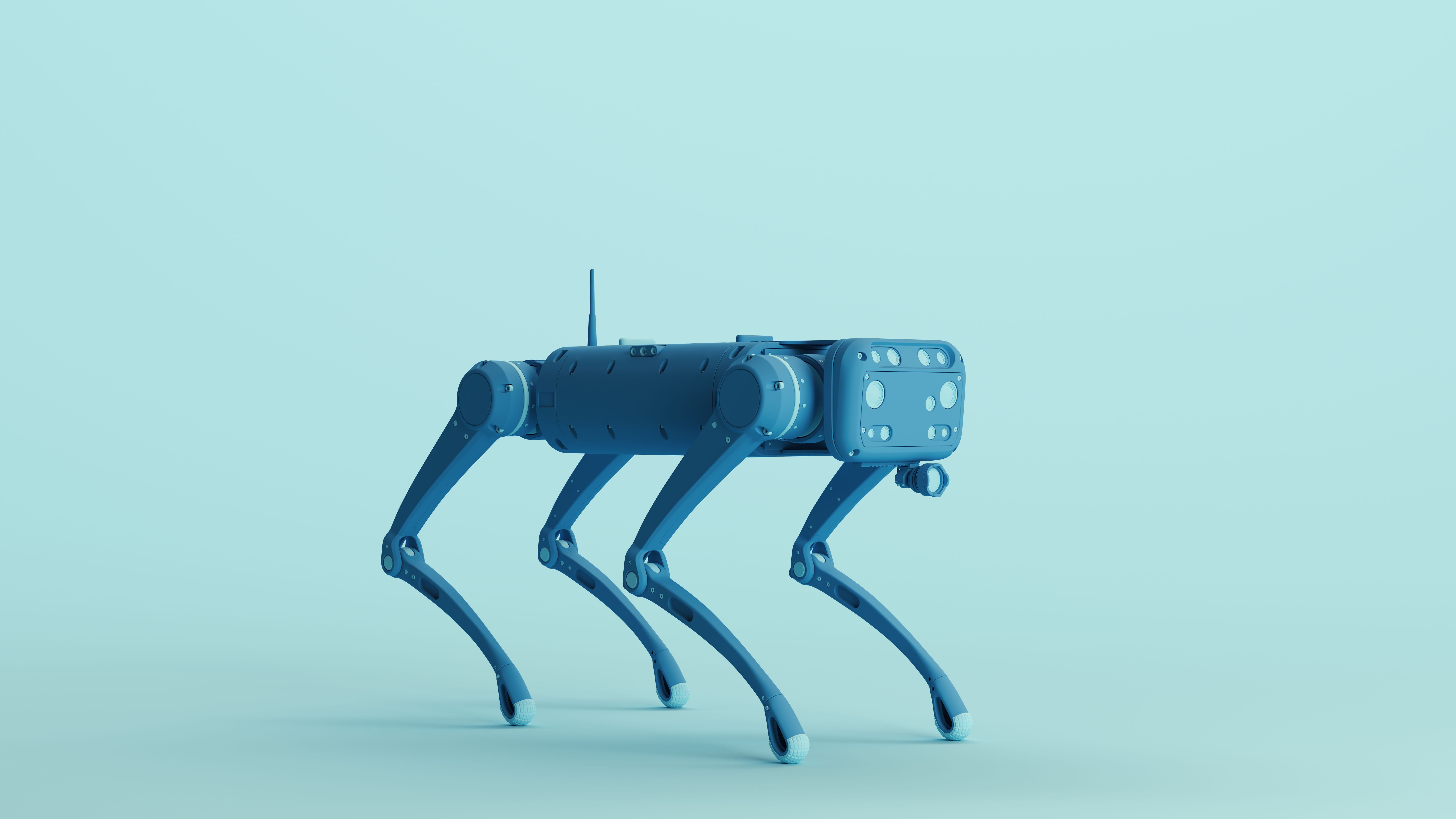
Robot dogs are a relatively new addition to the inspection toolkit, offering ground-based solutions that drones cannot. These quadruped robots can navigate complex terrains, such as staircases, rocky landscapes, and industrial sites. They are designed to perform inspections up close and can carry various sensors to assess environmental conditions.
One of the standout features of robot dogs is their ability to operate in confined spaces where drones cannot fly. They are ideal for inspecting tunnels, pipelines, and interior spaces of large structures. Their stability and agility make them reliable in environments that require detailed, ground-level inspections.
Challenges with Robot Dogs
While robot dogs excel in specific scenarios, they also face challenges. Their ground-based nature limits their speed and area coverage compared to drones. Moreover, the technology is still evolving, and the initial investment can be substantial. Maintenance and operation require specialized training, adding to the overall cost.

Deciding Which is Right for You
When choosing between inspection drones and robot dogs, consider the specific requirements of your project. If you need to cover large areas quickly and efficiently, drones are likely the better option. For detailed inspections in confined or complex environments, robot dogs may be the superior choice.
It’s also essential to assess the budget, as the costs associated with purchasing and maintaining these technologies can vary. Additionally, factor in the expertise required to operate them effectively and any regulatory considerations that might apply.
Conclusion
Both inspection drones and robot dogs offer unique advantages that can enhance inspection processes across various industries. By understanding their capabilities and limitations, you can make an informed decision that aligns with your operational needs and goals. As technology continues to advance, these tools will only become more integral to maintaining safety and efficiency in industrial inspections.