Choosing the Right Industrial Drone for Your Business Needs


Understanding Your Business Needs
Choosing the right industrial drone begins with understanding your specific business needs. Drones are versatile tools used across various industries, including agriculture, construction, and logistics. Identifying the primary tasks you require a drone to perform is crucial. For example, if your business involves surveying large areas, a drone with advanced mapping capabilities might be necessary.
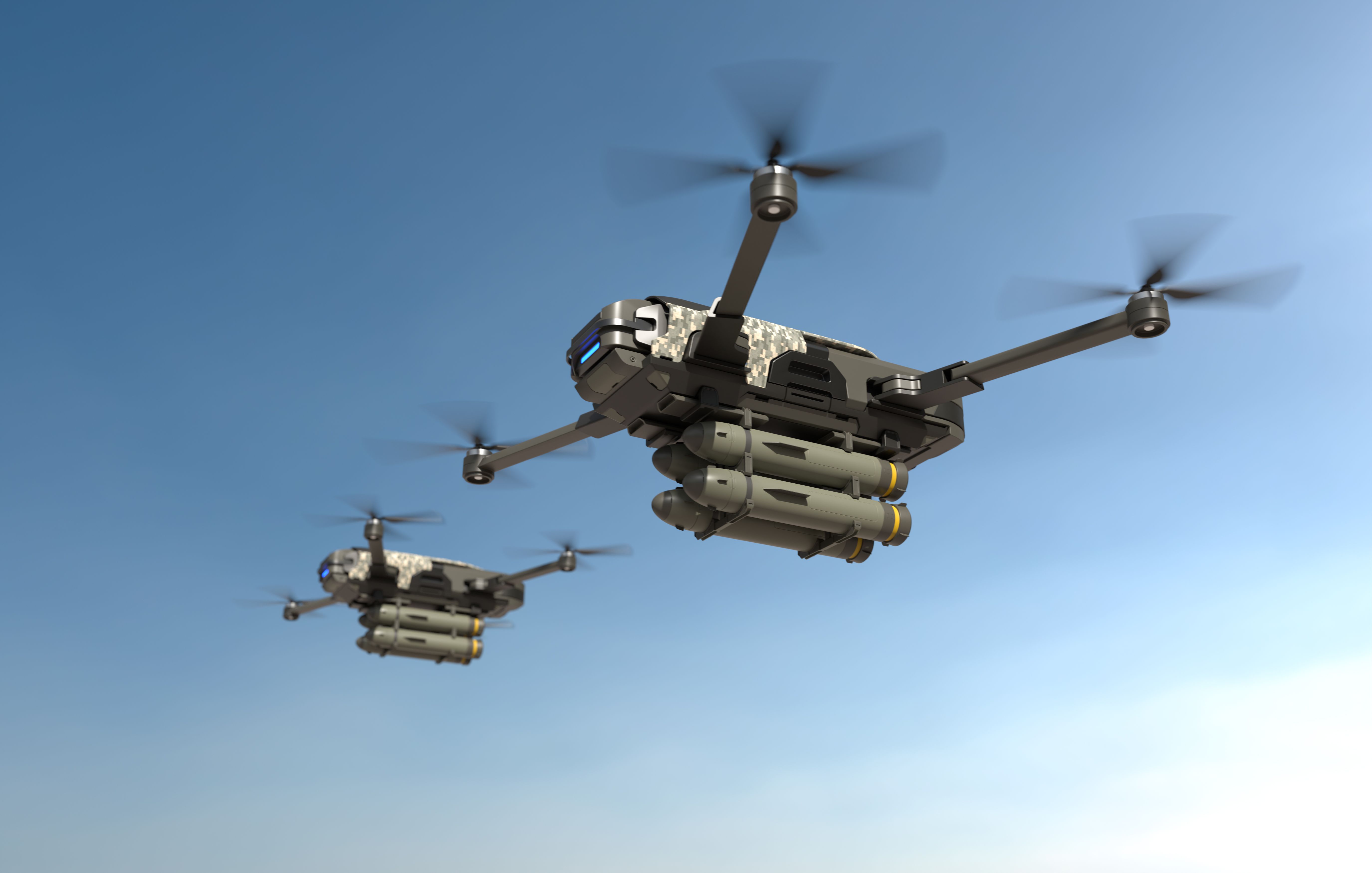
Additionally, consider the environment in which the drone will operate. Will it need to withstand harsh weather conditions? Or perhaps it needs to navigate confined spaces? By clearly defining your requirements, you can narrow down your options effectively.
Types of Industrial Drones
Industrial drones come in various types, each designed for specific functions. Some of the most common types include:
- Fixed-wing drones: Ideal for covering large distances and are often used in surveying and mapping.
- Multi-rotor drones: Known for their stability and maneuverability, making them suitable for inspections and aerial photography.
- Hybrid drones: Combine the features of fixed-wing and multi-rotor drones, offering versatility in both range and maneuverability.
Understanding these types will help you decide which drone aligns best with your operational needs.
Key Features to Consider
When selecting an industrial drone, pay attention to its features. Some essential features to consider include:
- Camera quality: High-resolution cameras are crucial for tasks like inspection and surveillance.
- Battery life: Longer battery life ensures extended operation time, reducing the need for frequent recharges.
- Payload capacity: This determines the weight the drone can carry, which is important for transporting equipment or materials.
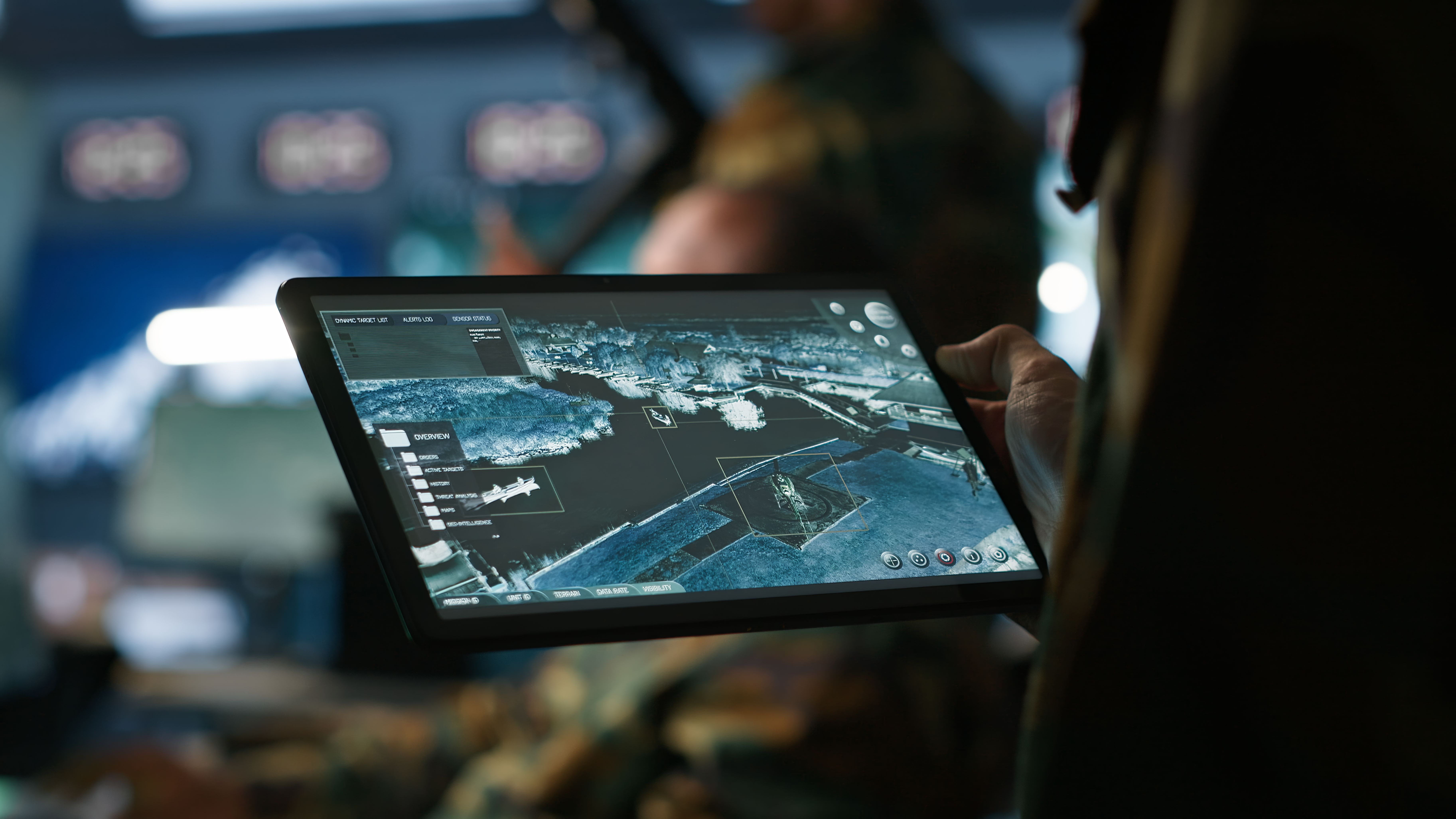
Furthermore, consider the drone's ease of use and the level of training required for operators. A user-friendly interface can significantly enhance productivity.
Regulatory Compliance
Compliance with aviation regulations is a critical aspect of operating industrial drones. Different regions have specific rules regarding drone operations, including licensing, altitude limits, and no-fly zones. Ensure that the drone you choose meets all regulatory requirements to avoid legal complications.
It may be beneficial to consult with legal experts or industry professionals to navigate these regulations effectively.
Cost Considerations
While the initial investment in an industrial drone can be significant, it's important to consider the long-term benefits. Assess the potential return on investment by evaluating how the drone will enhance efficiency, reduce labor costs, or improve data accuracy. Additionally, consider the costs associated with maintenance, repairs, and training.
By balancing these factors, you can make an informed decision that aligns with your budget while maximizing operational benefits.
Conclusion
Choosing the right industrial drone involves careful consideration of your business needs, the types of drones available, key features, regulatory compliance, and cost. By thoroughly evaluating these aspects, you can select a drone that not only meets your operational requirements but also contributes to the overall growth and efficiency of your business.