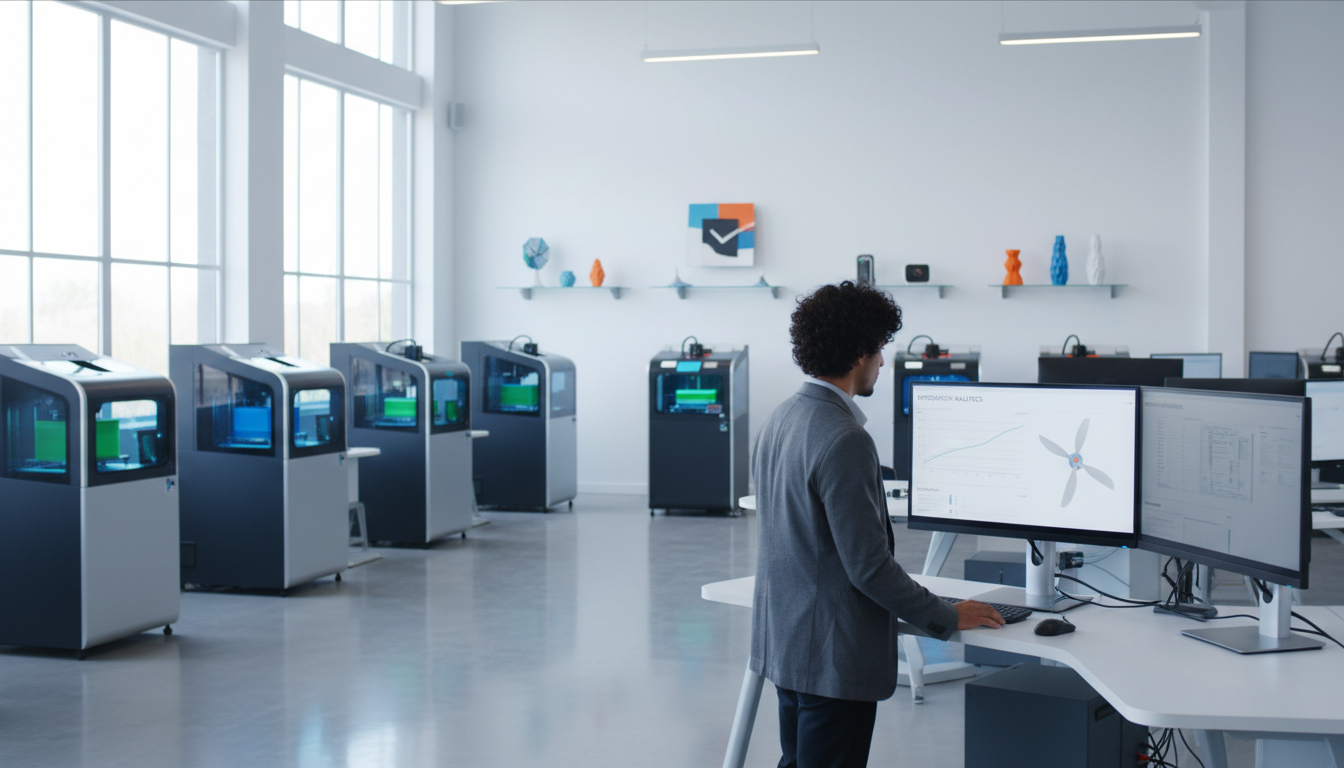
Case Study: Successful Implementation of IoT in Hangzhou's Future Factories


Introduction to IoT in Manufacturing
The Internet of Things (IoT) has revolutionized various industries, and manufacturing is no exception. In Hangzhou, a city known for its technological advancements, IoT has been successfully implemented in future factories, setting a benchmark for others to follow. This case study explores how IoT integration has transformed manufacturing processes, improving efficiency and productivity.
Hangzhou's future factories exemplify how digital transformation can be achieved through strategic IoT deployment. The city's commitment to innovation has led to remarkable improvements in operational capabilities, providing a blueprint for other regions to emulate.
Enhanced Operational Efficiency
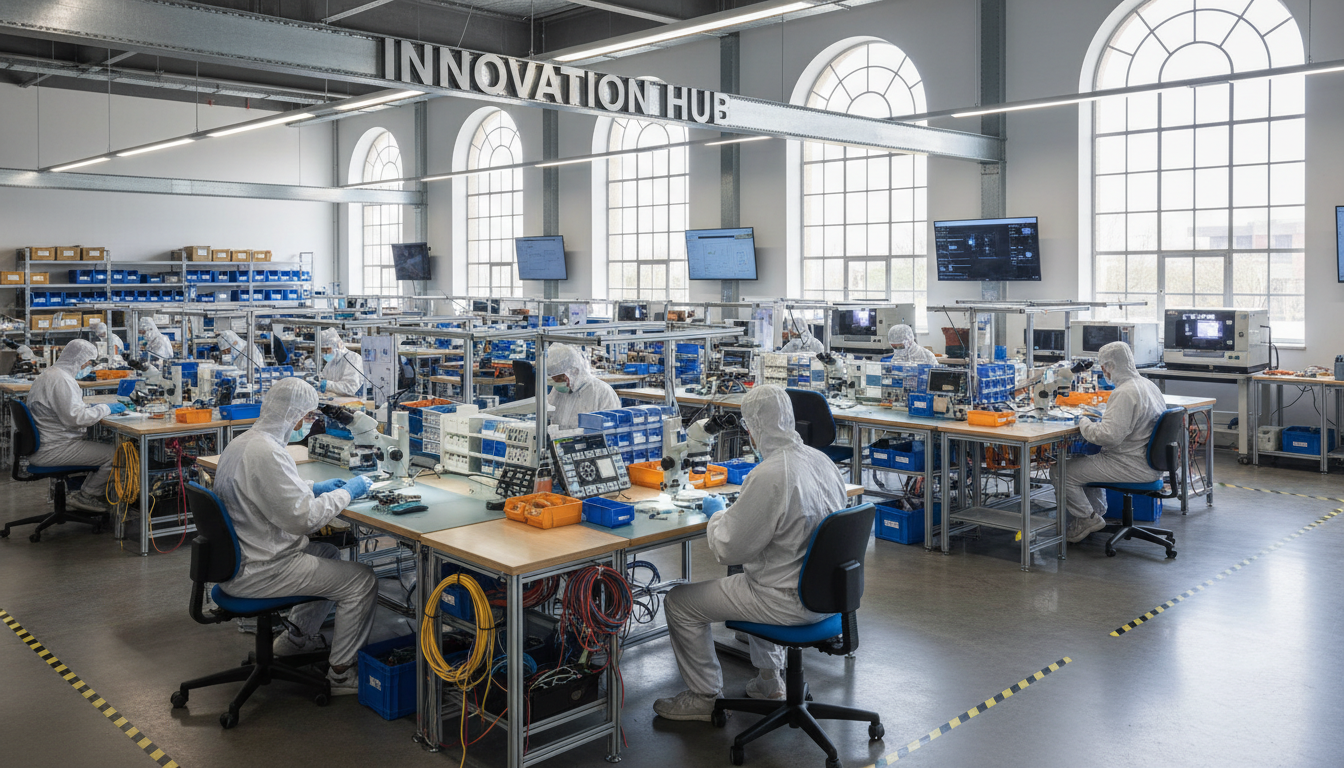
One of the most significant benefits of IoT in Hangzhou's factories is the enhancement of operational efficiency. IoT devices collect real-time data from various manufacturing processes, allowing for continuous monitoring and analysis. This data-driven approach enables factories to identify bottlenecks and optimize production lines.
For instance, sensors embedded in machinery can predict maintenance needs, reducing downtime and extending equipment life. This proactive approach to maintenance has drastically cut costs and improved overall productivity.
Real-time Data Analytics
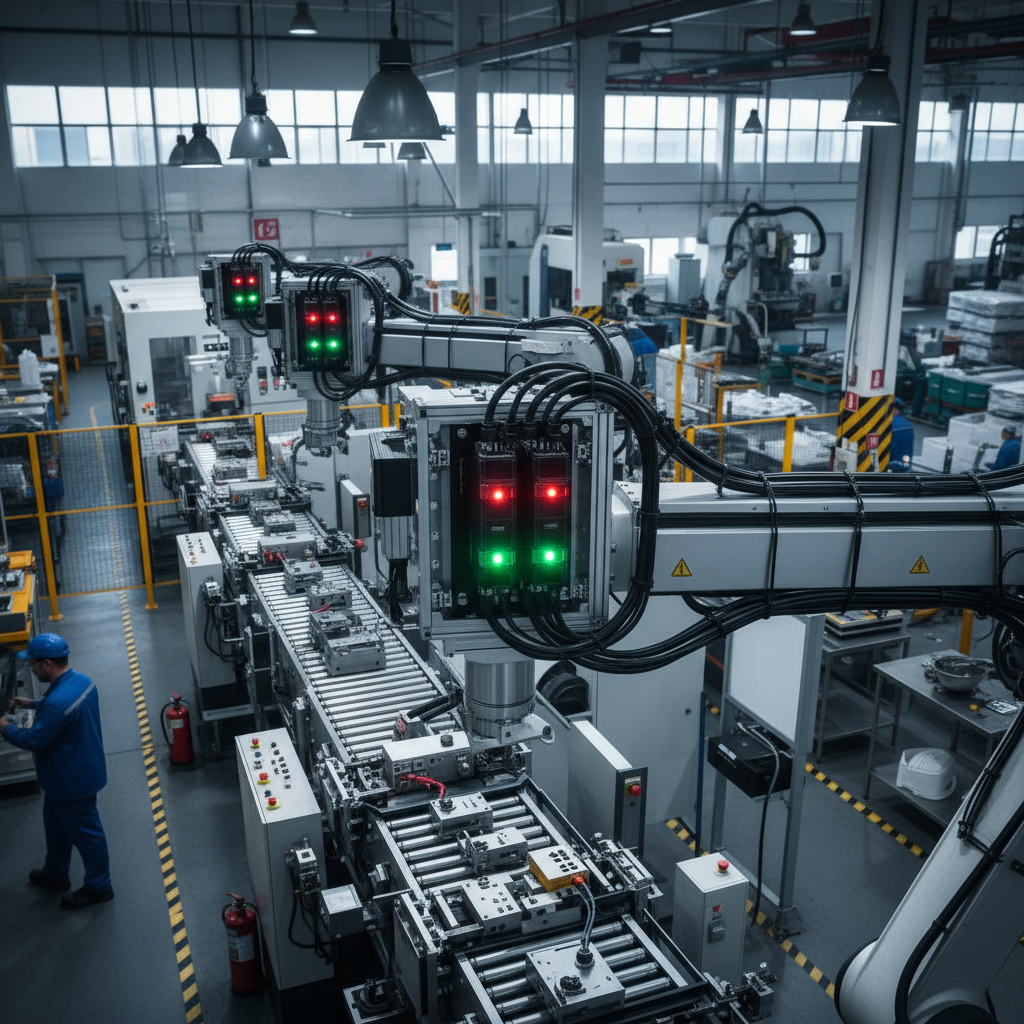
Real-time data analytics is a cornerstone of IoT implementation in Hangzhou. By leveraging advanced analytics tools, factories can gain insights into production trends and make informed decisions. This capability has enabled manufacturers to respond swiftly to market demands and reduce waste.
The integration of IoT with AI technologies further enhances data processing capabilities, providing predictive insights that guide strategic planning and resource allocation.

Improving Quality Control
Quality control is another area where IoT has made a significant impact. In Hangzhou's factories, IoT sensors monitor product quality at every stage of production. This continuous surveillance ensures that defects are identified and rectified immediately, maintaining high standards.
Additionally, IoT-enabled traceability allows manufacturers to track each product from raw materials to finished goods, ensuring compliance with industry regulations and enhancing customer trust.
Workforce Empowerment
IoT implementation has also empowered the workforce by automating repetitive tasks and providing workers with actionable insights. Employees can focus on more strategic roles, contributing to innovation and continuous improvement.
Training programs have been established to help workers adapt to new technologies, ensuring a seamless transition and fostering a culture of innovation.
Challenges and Future Prospects
While IoT implementation in Hangzhou has been largely successful, it is not without challenges. Data security and privacy concerns are paramount, requiring robust cybersecurity measures. Additionally, the integration of legacy systems with new IoT technologies can pose technical challenges.
Despite these hurdles, the future prospects for IoT in manufacturing are promising. As technology advances, Hangzhou's factories are poised to become even more efficient and sustainable, paving the way for a new era of smart manufacturing.