Case Study: Successful Implementation of AI in a Zhejiang Factory


Introduction to AI Implementation in Zhejiang
In recent years, the integration of artificial intelligence (AI) in the manufacturing sector has transformed traditional processes, enhancing efficiency and productivity. A factory in Zhejiang, China, serves as a prime example of this technological revolution, showcasing how AI can streamline operations and drive remarkable results.
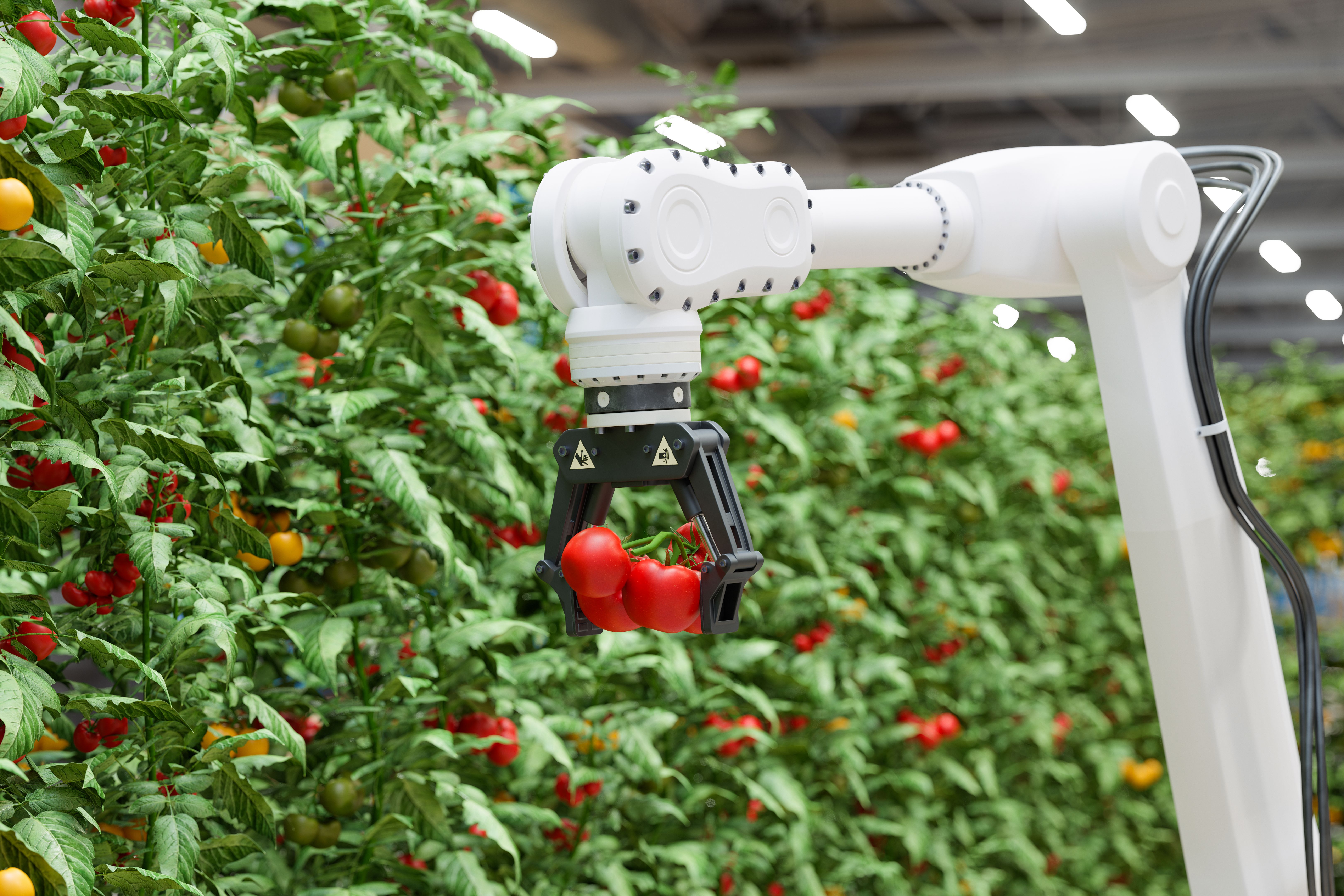
As industries worldwide face mounting pressure to optimize production and reduce costs, AI offers a viable solution by automating routine tasks and providing valuable insights through data analysis. The successful implementation of AI in this Zhejiang factory underscores the potential of these technologies in reshaping the future of manufacturing.
Understanding the Factory's Challenges
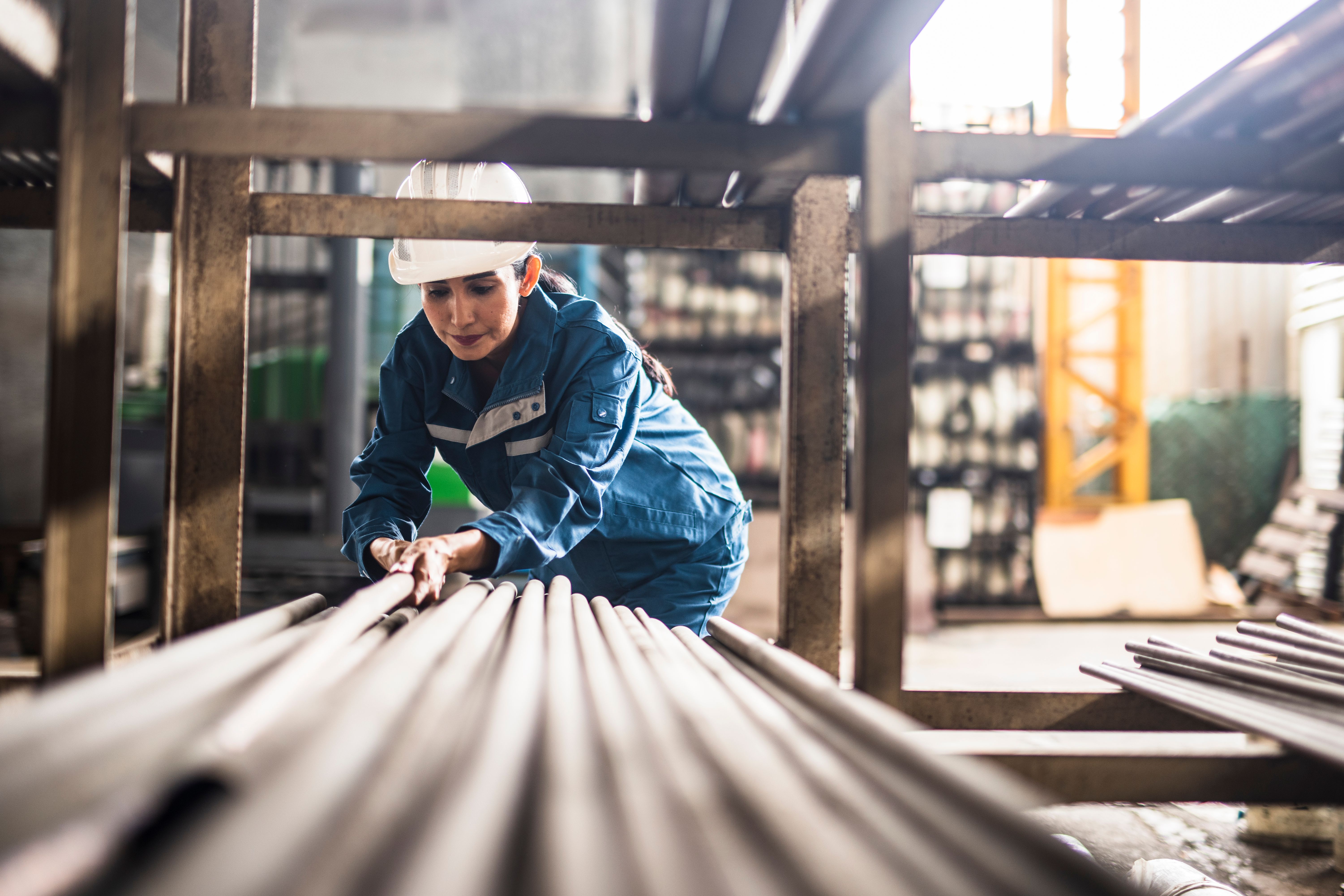
The Zhejiang factory, a key player in the automotive parts industry, faced several challenges before adopting AI solutions. Inefficiencies in production lines, high labor costs, and the need for consistent quality control were some of the major issues impacting their operations. The management recognized that traditional methods were no longer sufficient to address these concerns effectively.
Despite having a skilled workforce, human error and resource-intensive processes often led to delays and increased operational costs. The factory needed a strategic overhaul to maintain its competitive edge in the market.
Implementing AI Solutions
To tackle these challenges, the factory partnered with a leading AI solutions provider. The implementation process began with a comprehensive assessment of existing workflows to identify areas where AI could deliver the most impact. The focus was on automating repetitive tasks, improving supply chain management, and enhancing product quality through predictive analytics.
The introduction of AI-driven robotics on the assembly line significantly reduced manual labor, allowing employees to focus on more complex tasks. Additionally, machine learning algorithms analyzed vast amounts of production data to predict equipment failures and optimize maintenance schedules.

Benefits Realized from AI Integration
The integration of AI technology brought about substantial benefits for the Zhejiang factory. Some of the key advantages included:
- Increased Efficiency: Automation of routine tasks reduced production time and minimized errors.
- Cost Reduction: Lower labor costs and optimized resource allocation led to significant financial savings.
- Enhanced Quality Control: Real-time monitoring and data analysis improved product quality and consistency.
The factory also experienced a boost in production capacity, allowing it to meet growing demand and explore new markets. This transformation demonstrated that AI could effectively address industry-specific challenges and create new opportunities for growth.
Overcoming Implementation Challenges
Despite the success achieved, the implementation process was not without its challenges. Initial resistance from employees concerned about job security required management to take proactive measures in promoting a culture of collaboration between humans and machines.
Training programs were introduced to upskill workers, ensuring they could effectively operate and collaborate with new technologies. This approach not only alleviated concerns but also empowered employees to contribute to the factory's modernization journey actively.

The Future of AI in Manufacturing
The experience of the Zhejiang factory illustrates the transformative power of AI in manufacturing. As technology continues to evolve, more factories are likely to adopt similar solutions, driving innovation and competitiveness in the industry.
For businesses contemplating AI integration, this case study serves as a compelling example of how strategic implementation can lead to substantial improvements. The success in Zhejiang paves the way for other manufacturers to harness AI's potential, shaping a smarter, more efficient manufacturing landscape for the future.