Case Study: How a Hangzhou Factory Improved Operations with AI and IoT

Introduction to the Factory's Challenge
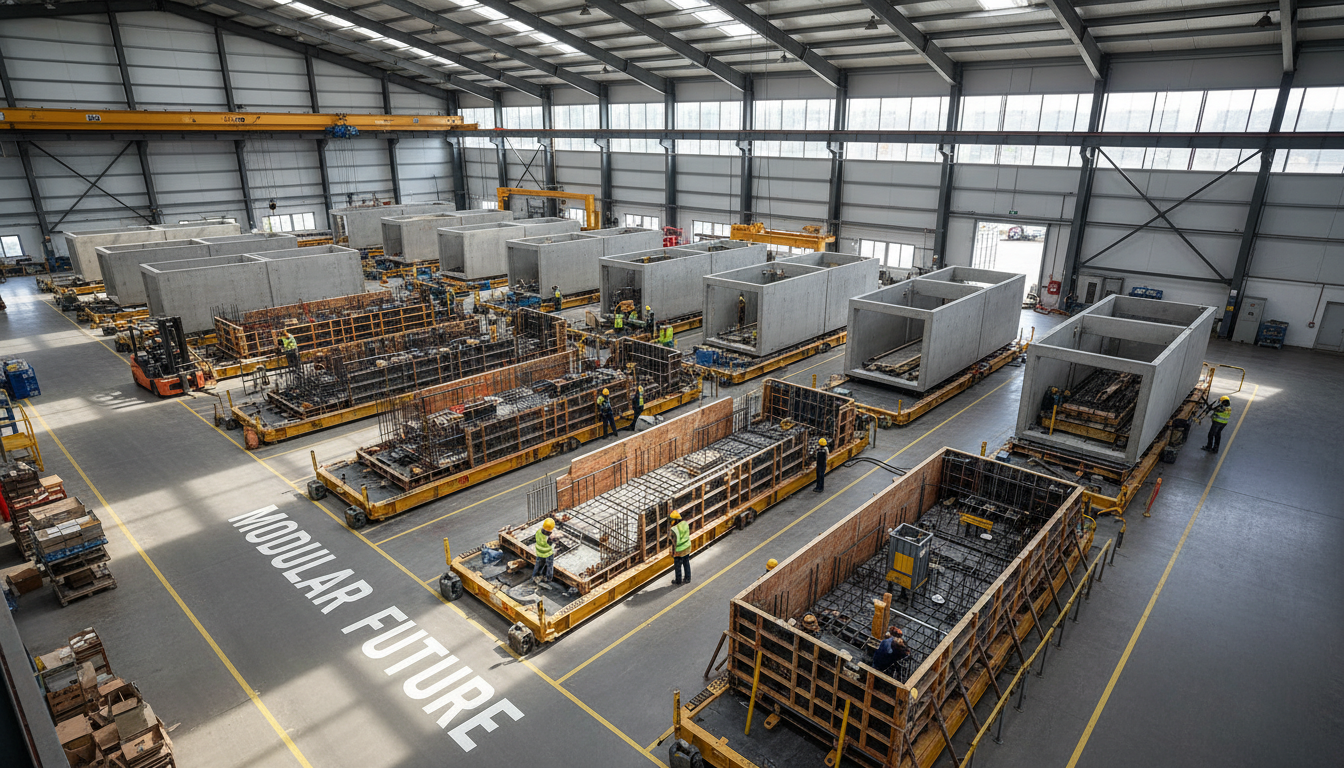
In the bustling city of Hangzhou, a prominent factory faced the escalating challenge of maintaining operational efficiency while cutting costs. With rising competition and the demand for higher quality products, the factory needed a transformative solution. This is where the integration of AI and IoT technologies played a pivotal role in revolutionizing their operations.
Understanding AI and IoT
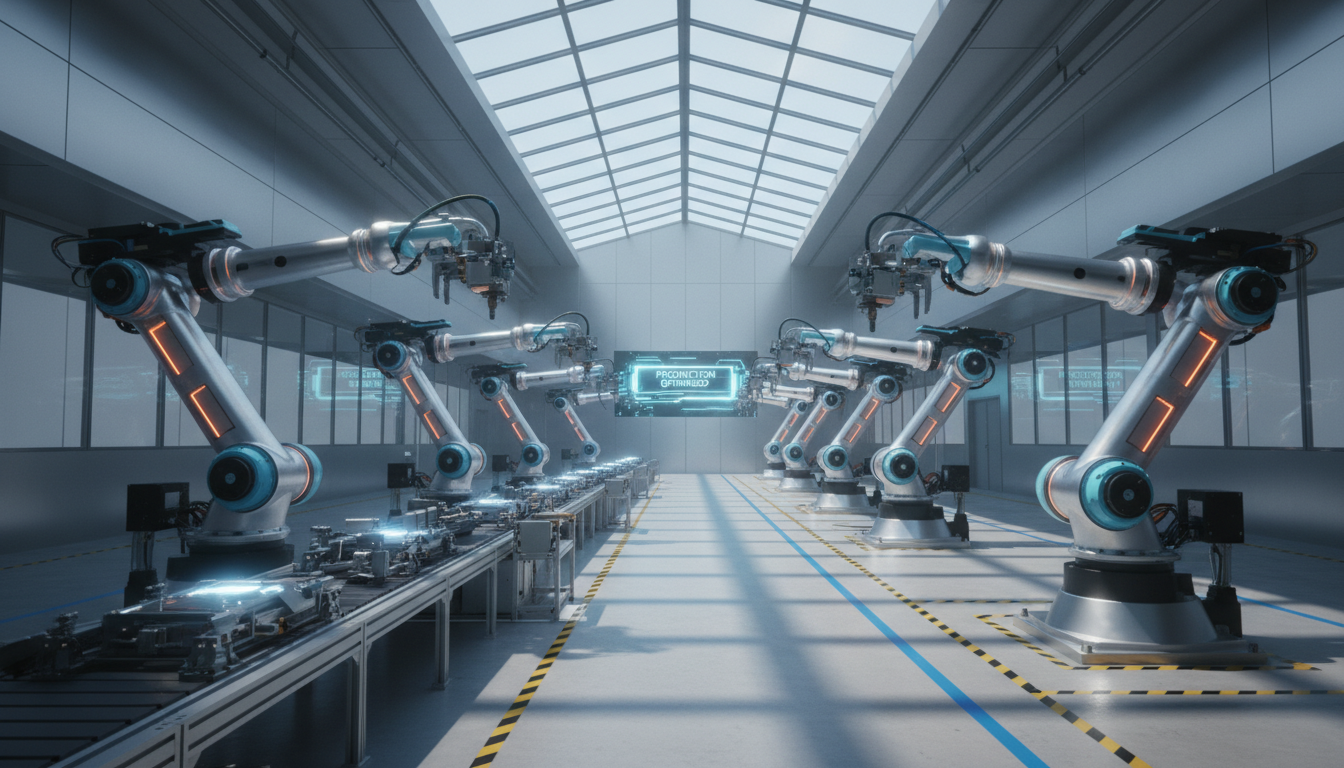
Artificial Intelligence (AI) and the Internet of Things (IoT) are powerful technologies that can significantly enhance industrial processes. AI enables machines to learn from data and make informed decisions, while IoT connects physical devices to the internet, allowing for seamless communication and data exchange. Together, they form a smart ecosystem that can optimize manufacturing operations.
Why the Factory Chose AI and IoT
Faced with production delays and inefficiencies, the factory's management recognized the potential of AI and IoT to streamline operations. The decision was driven by several factors:
- Improving real-time monitoring of equipment
- Reducing maintenance costs through predictive analytics
- Enhancing product quality by minimizing human error
Implementation Process
The transition to a smart factory involved a strategic implementation process. The factory partnered with tech experts to integrate AI algorithms with IoT devices across the production line. This collaboration ensured that each component was finely tuned to meet the specific needs of the operation.
The Role of Predictive Maintenance
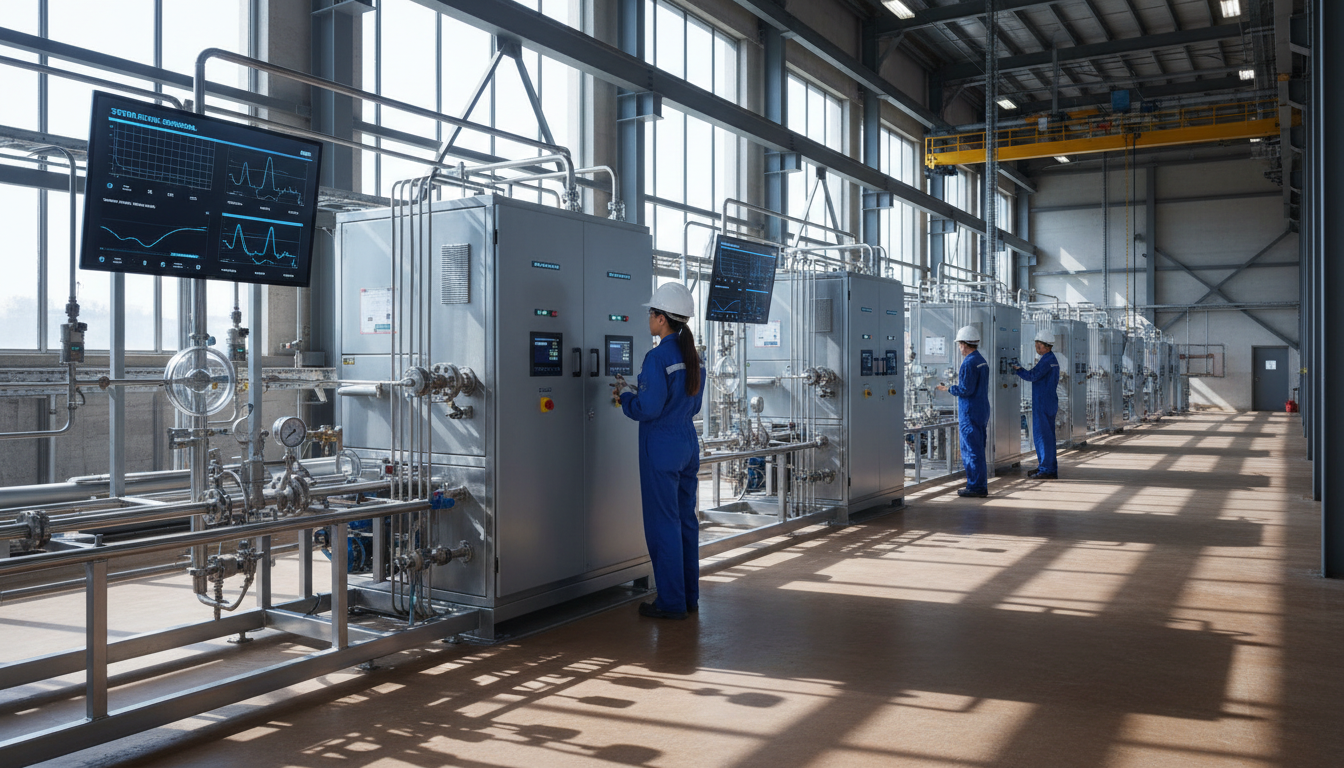
One of the most significant improvements was the introduction of predictive maintenance. By analyzing data from IoT sensors, AI algorithms predicted equipment failures before they occurred. This proactive approach allowed the factory to schedule maintenance during non-peak hours, significantly reducing downtime and extending the lifespan of machinery.
Impact on Productivity and Efficiency
The results of integrating AI and IoT were remarkable. The factory reported a 20% increase in productivity within the first six months. With real-time data analytics, the management team could make informed decisions, leading to optimized production schedules and reduced waste.
Quality Control and Customer Satisfaction
AI-driven quality control systems were deployed to detect defects in real-time, ensuring that only top-quality products reached the market. This enhancement not only improved customer satisfaction but also strengthened the factory's reputation in the industry.
Conclusion and Future Prospects
The successful integration of AI and IoT in the Hangzhou factory serves as a compelling case study for other manufacturers. By embracing these technologies, the factory not only overcame its operational challenges but also paved the way for future innovations. As technology continues to evolve, the potential for further improvements in efficiency and productivity remains vast.