Building the Factory of the Future in Hangzhou: Key Technologies and Innovations


Introduction
As the world transitions into a new era of industrial innovation, Hangzhou is emerging as a pivotal hub for the development of the factory of the future. Leveraging cutting-edge technologies and forward-thinking approaches, the city is setting a benchmark for manufacturing excellence.
Key Technologies Driving Innovation
Artificial Intelligence and Machine Learning
Artificial Intelligence (AI) and Machine Learning (ML) are at the forefront of this transformation. By incorporating AI, factories in Hangzhou can optimize production processes, reduce waste, and improve product quality. Machine learning algorithms enable predictive maintenance, ensuring machinery operates efficiently with minimal downtime.
Internet of Things (IoT)
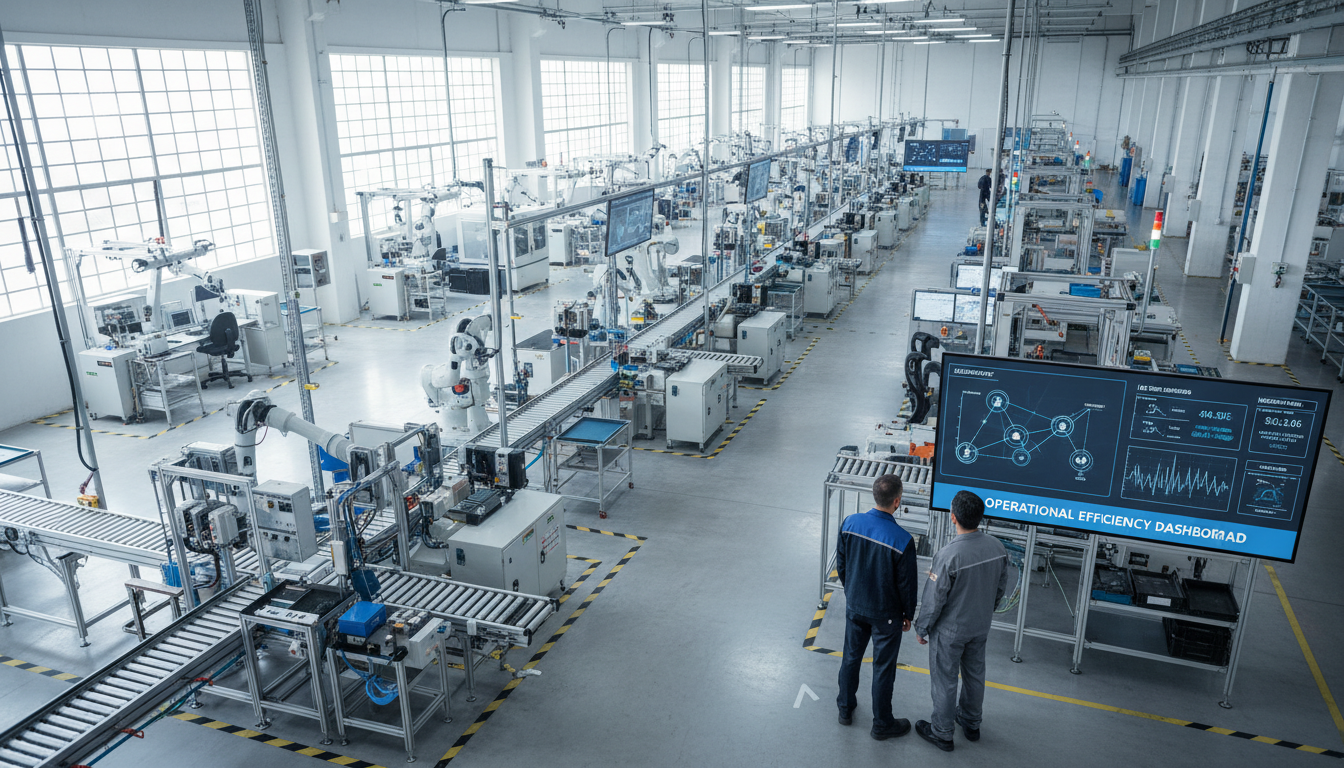
The integration of IoT devices provides real-time data collection and analysis, allowing manufacturers to gain insights into every aspect of their operations. IoT sensors monitor machinery, track inventory, and can even foresee potential disruptions before they occur, enhancing overall productivity.
Automation and Robotics
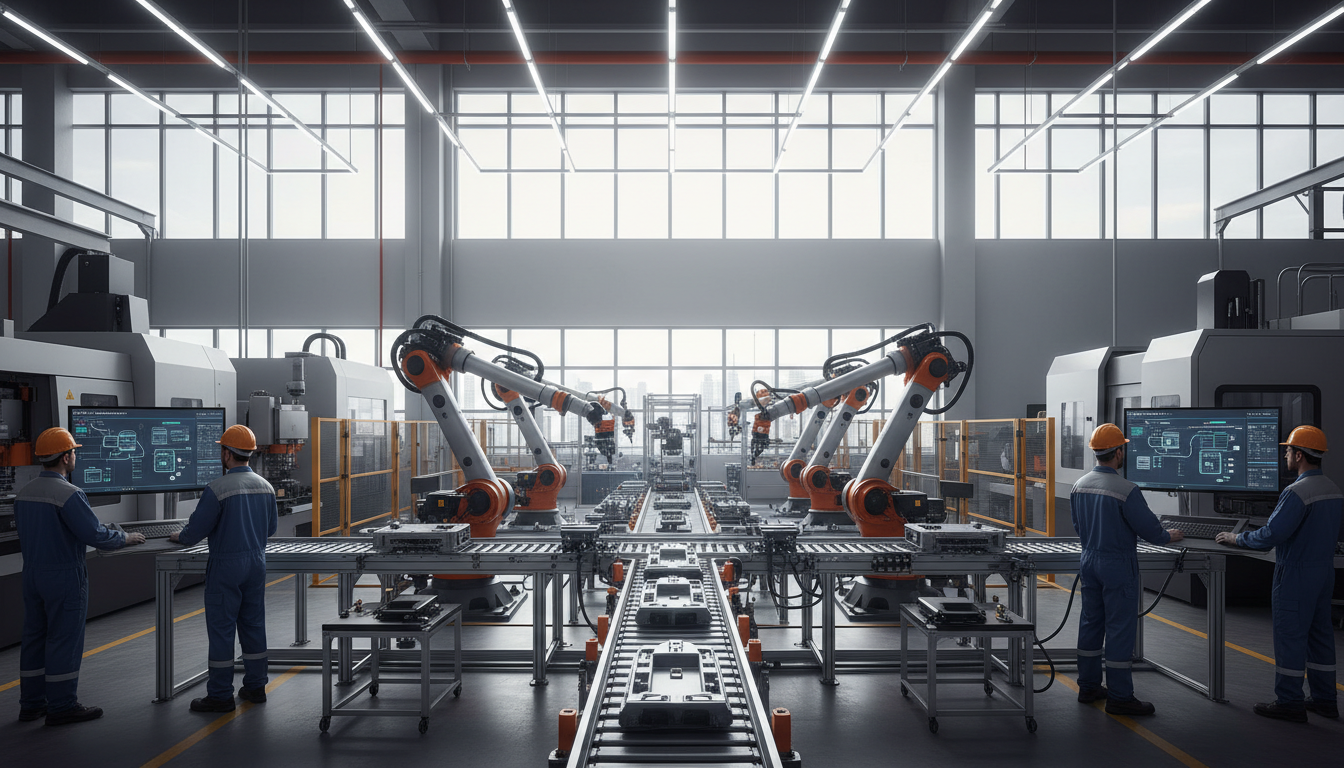
Automation is revolutionizing manufacturing processes. In Hangzhou, robotics are being deployed to handle repetitive tasks, freeing up human workers to focus on more complex activities. The use of collaborative robots, or cobots, ensures a seamless interaction between humans and machines, enhancing efficiency.
Advanced Manufacturing Techniques
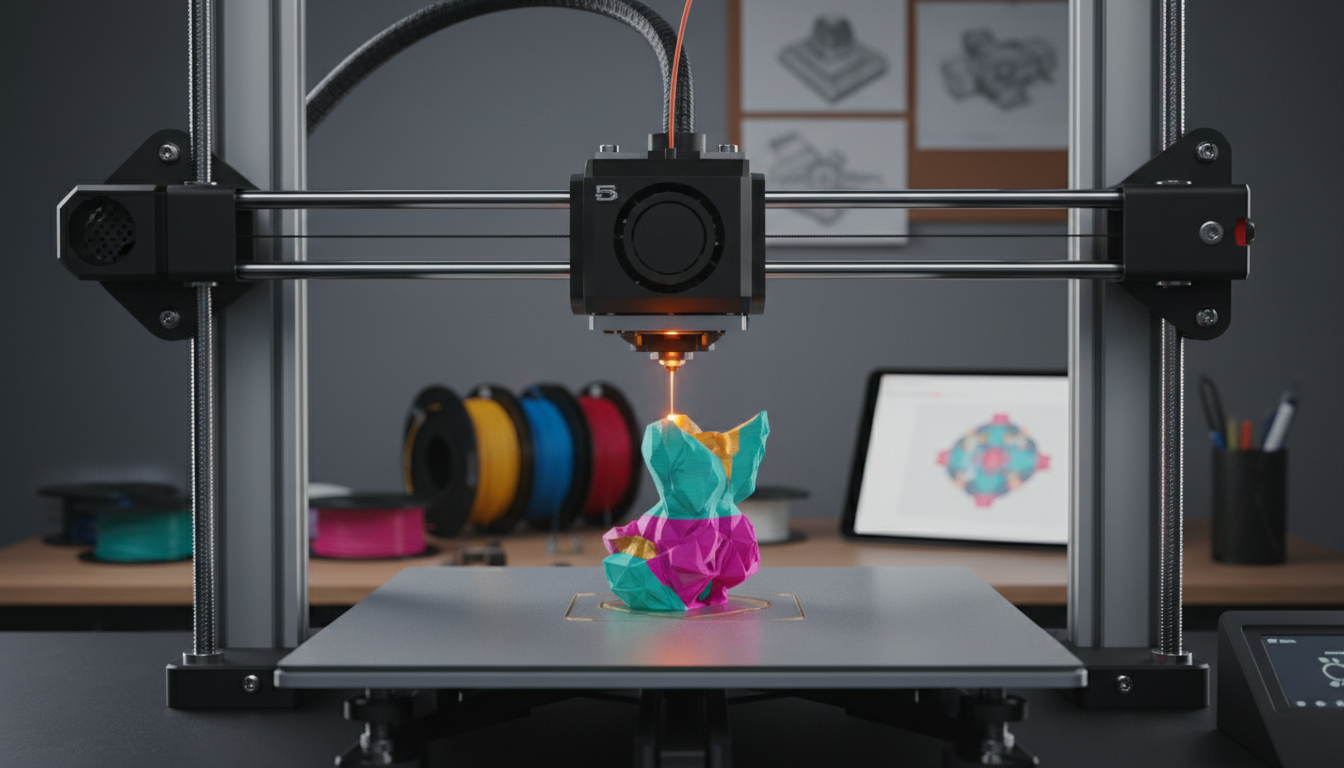
Advanced manufacturing techniques such as 3D printing and additive manufacturing are also gaining traction. These technologies allow for rapid prototyping and customization, reducing the time from design to production. Hangzhou factories are increasingly adopting these methods to stay competitive and responsive to market demands.
Sustainability and Environmental Responsibility
Building the factory of the future in Hangzhou also involves a strong commitment to sustainability. Factories are implementing energy-efficient practices and utilizing sustainable materials. By focusing on reducing carbon footprints and minimizing environmental impact, they are aligning with global sustainability goals.
Renewable Energy Integration
Incorporating renewable energy sources like solar and wind power into manufacturing processes is becoming more prevalent. This not only reduces reliance on fossil fuels but also contributes to cost savings and environmental conservation.
Challenges and Future Prospects
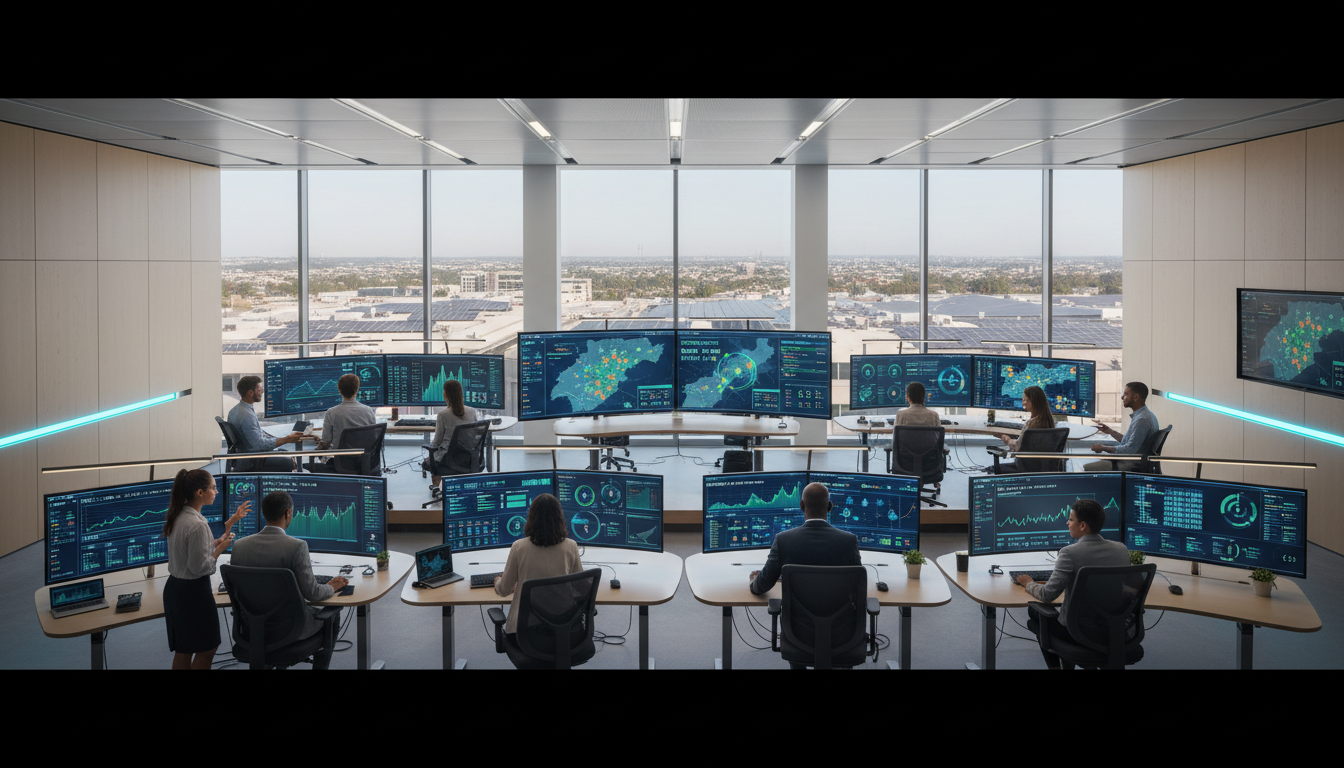
Despite significant advancements, challenges remain in building the factory of the future. Issues such as cybersecurity, workforce training, and integration of disparate technologies need to be addressed. However, the potential benefits far outweigh these challenges, paving the way for a robust manufacturing ecosystem.
As Hangzhou continues to innovate, it sets a powerful example for global manufacturing. By embracing these key technologies and innovations, the city is not only enhancing its industrial capabilities but also contributing to a more sustainable and efficient future.