Building a Smart City: The Role of IoT and Digital Twins in Hangzhou


The Rise of Smart Cities
As urban populations continue to grow, cities worldwide are seeking innovative solutions to manage resources more efficiently and sustainably. Among these emerging smart cities, Hangzhou stands out as a leader in integrating cutting-edge technology to improve urban living. At the heart of these efforts are the Internet of Things (IoT) and digital twins, which are transforming the way cities operate and evolve.
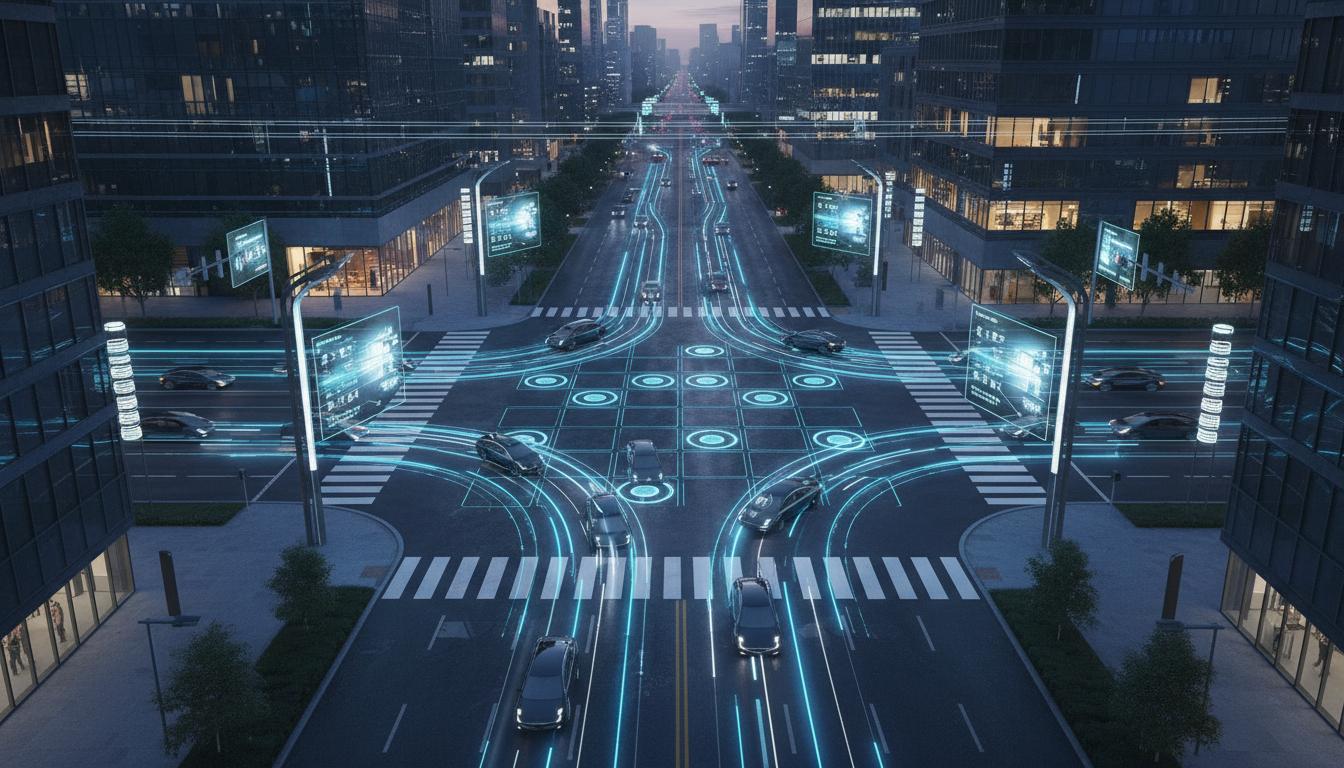
Understanding IoT in Urban Development
The Internet of Things, or IoT, refers to the network of interconnected devices that collect and exchange data. In Hangzhou, IoT plays a crucial role in enhancing various aspects of city life. From smart traffic management systems that reduce congestion to energy-efficient buildings that optimize power usage, IoT devices are embedded throughout the city’s infrastructure.
Some key applications of IoT in Hangzhou include:
- Smart Transportation: Real-time traffic monitoring helps to alleviate congestion and improve public transport efficiency.
- Environmental Monitoring: Sensors track air quality and noise levels, providing data to enact environmental policies.
- Public Safety: IoT-enabled surveillance and emergency response systems enhance security and safety.
What Are Digital Twins?
Digital twins are virtual replicas of physical entities, which can be used to simulate, analyze, and optimize city operations. In Hangzhou, digital twins are employed to model everything from infrastructure to traffic patterns, allowing urban planners to test scenarios and make data-driven decisions.

By creating a digital twin of the city, Hangzhou can:
- Optimize resource allocation and urban planning.
- Predict and mitigate the impact of natural disasters.
- Enhance citizen engagement through interactive platforms.
Benefits of Integrating IoT and Digital Twins
The integration of IoT and digital twins offers several significant benefits for Hangzhou:
- Improved Efficiency: Streamlining operations and reducing waste enhances city management.
- Cost Savings: Predictive maintenance and optimized resource use result in financial savings.
- Sustainability: Efficient energy use and environmental monitoring contribute to a greener city.

Challenges and Considerations
Despite the benefits, building a smart city is not without challenges. Privacy and data security are major concerns, as the increased data collection may lead to breaches if not properly managed. Additionally, the cost of implementing and maintaining such technologies can be substantial.
Addressing these challenges requires a robust regulatory framework, investment in cybersecurity, and a focus on sustainable development practices.
The Future of Smart Cities
Hangzhou's experience provides valuable insights into the future of smart urban development. As technology continues to advance, the potential to create more responsive, efficient, and livable cities grows. By leveraging IoT and digital twins, cities can better address the challenges of urbanization and improve the quality of life for their citizens.
Ultimately, the success of Hangzhou's smart city initiatives could serve as a model for other cities worldwide, paving the way for a smarter, more connected future.