An In-Depth Guide to Software Development for Future Factories


Understanding the Role of Software Development in Future Factories
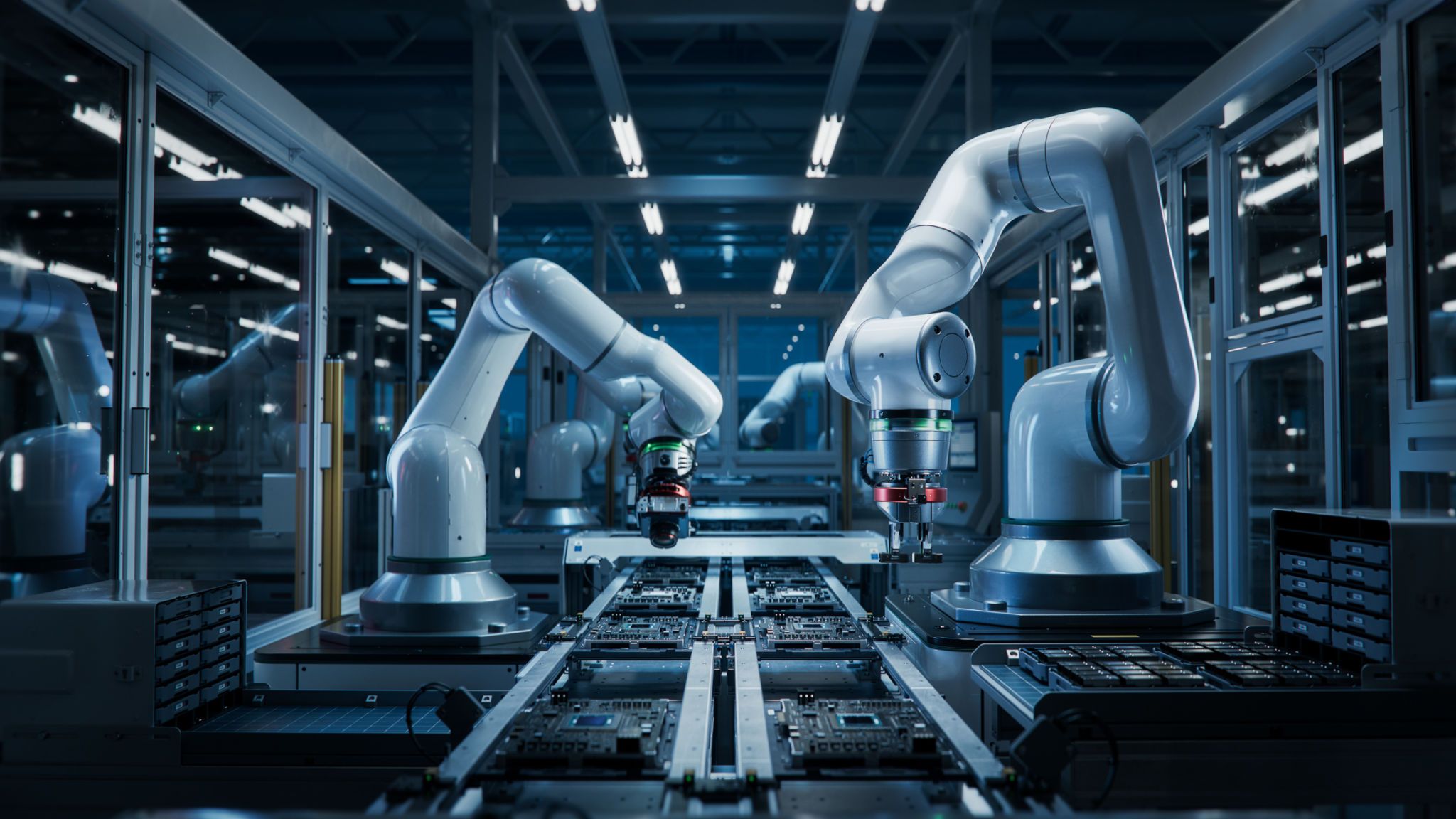
The concept of future factories, often referred to as Smart Factories or Industry 4.0, is revolutionizing the manufacturing landscape. At the heart of this transformation is software development, which integrates advanced technologies such as IoT, AI, and machine learning to create more efficient and flexible production environments. Understanding the role of software in these factories is crucial for businesses aiming to stay competitive.
The Core Components of Smart Factory Software
Smart factory software is designed to enhance automation and connectivity. There are several core components that are essential:
- IoT Integration: Devices and machines are connected to the internet, enabling real-time data exchange and monitoring.
- Artificial Intelligence: AI algorithms analyze data to optimize operations, predict maintenance needs, and improve decision-making.
- Cloud Computing: Provides scalable storage and processing capabilities, facilitating better data management and accessibility.
These components work together to create a seamless, interconnected manufacturing environment that can adapt to changes and optimize processes autonomously.
The Importance of Custom Software Solutions
Every factory has unique requirements, and off-the-shelf software may not always meet specific needs. Custom software solutions are tailored to address these unique challenges, enabling factories to maximize efficiency and productivity. By developing bespoke applications, manufacturers can ensure that their software aligns perfectly with their operational goals.
Custom solutions also allow for greater flexibility in adapting to new technologies and processes, which is vital in the rapidly evolving industrial landscape. This adaptability can provide a significant competitive edge.

Challenges and Considerations in Software Development for Factories
Developing software for future factories comes with its own set of challenges. One of the primary considerations is ensuring cybersecurity. With increased connectivity, the risk of cyber threats also rises, necessitating robust security measures.
Another challenge is the integration of legacy systems. Many factories still rely on older technologies, and integrating these with new systems can be complex. Software developers must create solutions that bridge this gap without disrupting operations.
The Future of Software Development in Manufacturing
As technology continues to advance, the future of software development in manufacturing looks promising. Emerging technologies such as augmented reality (AR) and blockchain are beginning to make their way into factories, further enhancing capabilities and security.
Moreover, the ongoing trend of digital twins—virtual replicas of physical systems—offers exciting possibilities for simulation and optimization. By leveraging these technologies, future factories can achieve unprecedented levels of efficiency and innovation.
In conclusion, software development is a critical component of future factories, driving innovation and efficiency. By understanding and embracing these technologies, manufacturers can pave the way for a more productive and adaptable industrial future.