AI and Robotics: The Future of Automated Inspections


Revolutionizing Inspections with AI and Robotics
The integration of AI and robotics into automated inspections is transforming industries. These technologies are enhancing accuracy, efficiency, and safety, allowing businesses to streamline their operations while reducing costs.
Automated inspections powered by AI and robotics are not just futuristic concepts; they are becoming a reality across various sectors. From manufacturing to infrastructure maintenance, these innovations are crucial for maintaining high standards and compliance.
The Role of AI in Automated Inspections
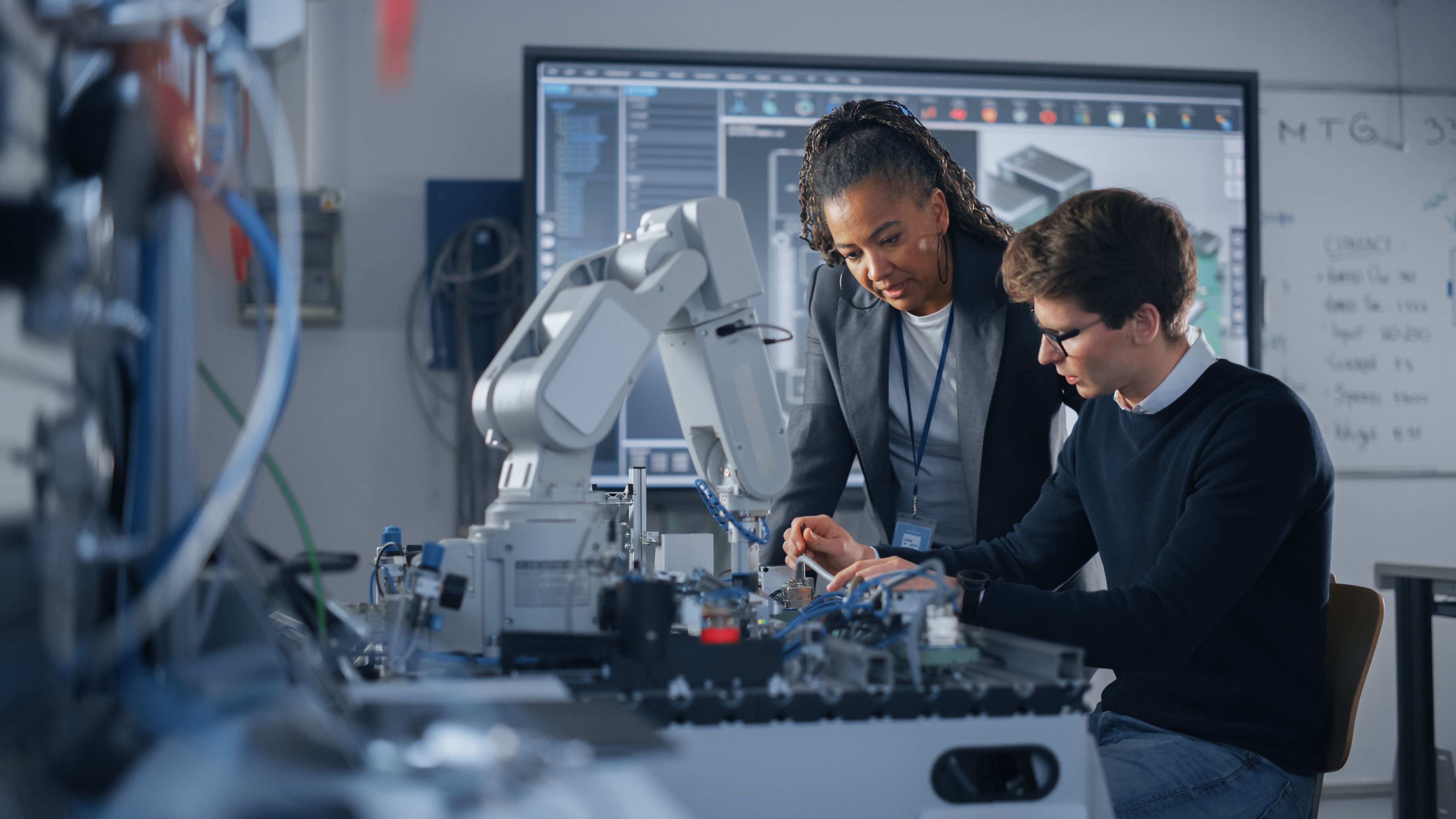
AI algorithms are designed to process vast amounts of data quickly and accurately. In the context of inspections, AI can identify defects that might be missed by human eyes. Machine learning models are trained to recognize patterns and anomalies, which can be crucial in industries like aerospace, where precision is paramount.
Moreover, AI can continuously learn and adapt, improving its performance over time. This adaptability ensures that inspection processes become more efficient, reducing downtime and enhancing productivity.
Robotics: Enhancing Precision and Safety
Robots equipped with advanced sensors and cameras can access areas that are dangerous or difficult for humans to reach. This capability is particularly beneficial in industries like oil and gas, where inspections often occur in hazardous environments.
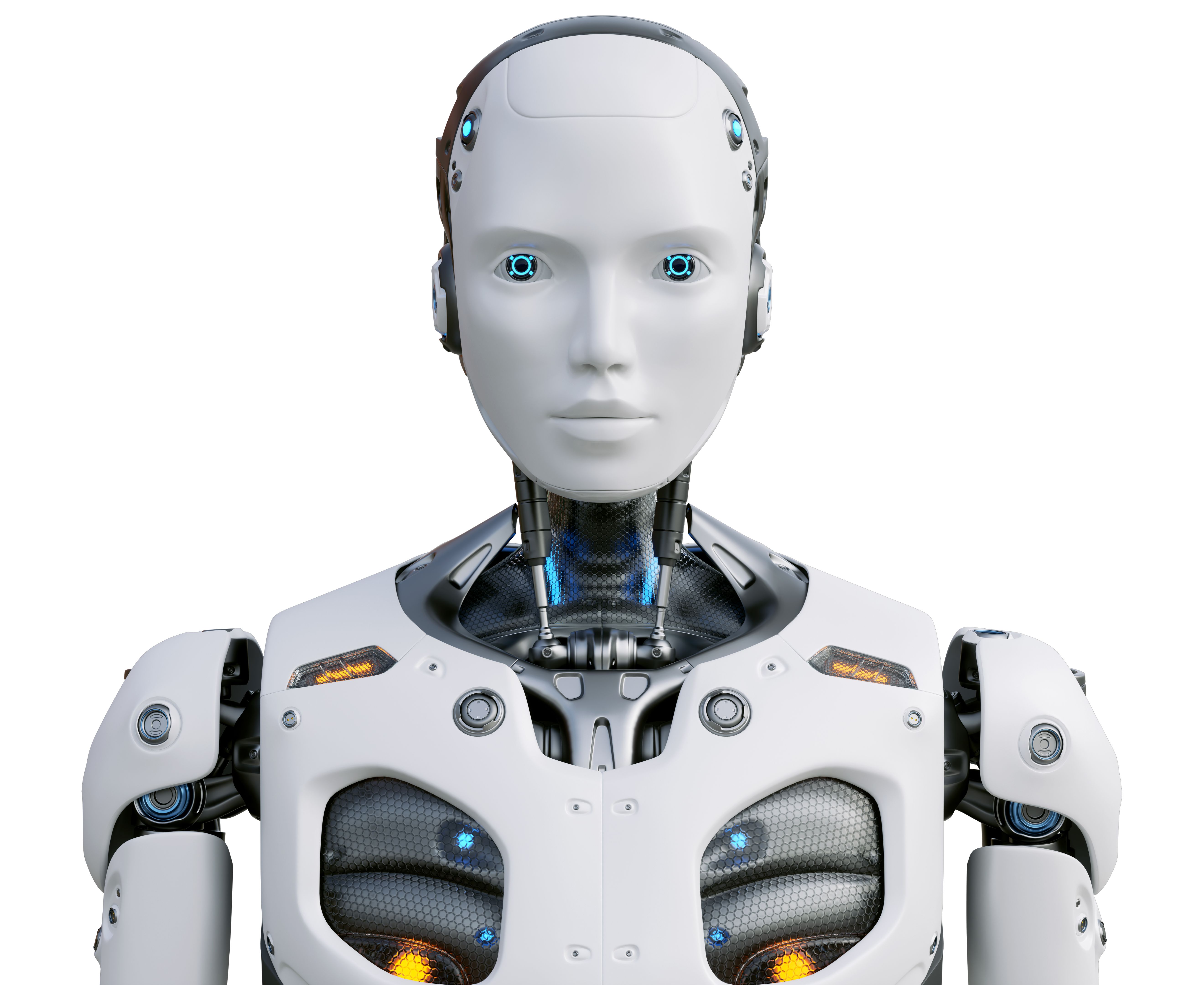
Robots can perform inspections with precision and consistency, reducing the likelihood of human error. They can work in tandem with AI systems to provide real-time data analysis, offering immediate insights into potential issues.
Applications Across Industries
The impact of AI and robotics on automated inspections is evident in several sectors:
- Manufacturing: AI-powered vision systems inspect products for defects, ensuring quality control.
- Infrastructure: Drones equipped with AI assess the structural integrity of bridges and buildings.
- Energy: Robotics perform routine inspections of pipelines and wind turbines, enhancing safety.
Challenges and Considerations
While the benefits are substantial, there are challenges in implementing AI and robotics for inspections. Initial costs can be high, and there is a need for skilled personnel to manage and maintain these advanced systems. Additionally, ensuring data security and privacy is crucial, as inspections often involve sensitive information.

Despite these challenges, the long-term benefits of automated inspections are significant. As technology continues to advance, the integration of AI and robotics will become increasingly seamless, offering even greater efficiencies.
The Future of Automated Inspections
As AI and robotics continue to evolve, their role in automated inspections will expand. Innovations such as autonomous vehicles and enhanced AI algorithms promise even more sophisticated inspection capabilities, further reducing human intervention and increasing reliability.
In conclusion, AI and robotics are not merely tools for the future; they are reshaping the present landscape of automated inspections. By embracing these technologies, industries can not only enhance their operational efficiency but also ensure safety and quality in their processes.